
Lawn
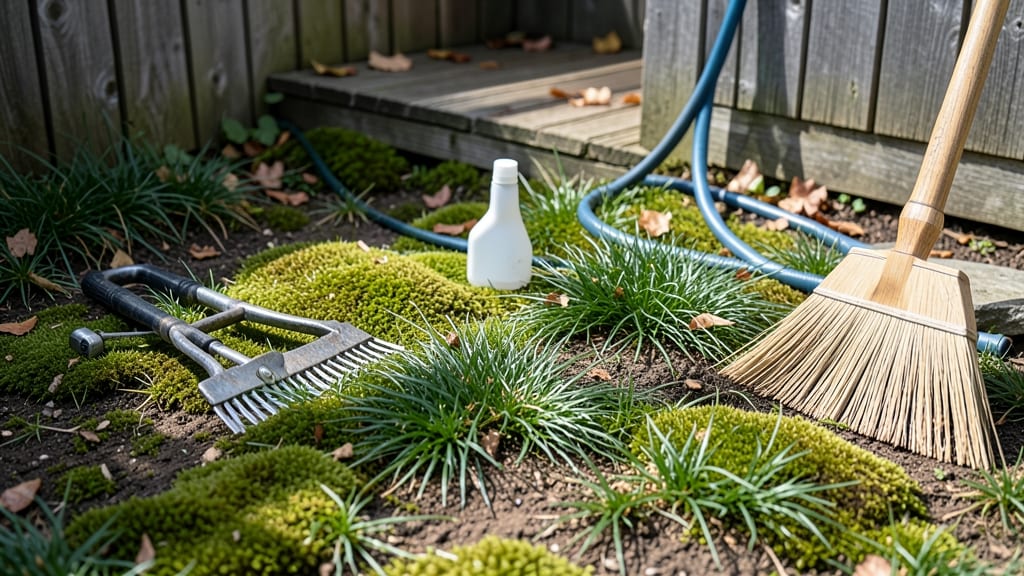
Rid your lawn of moss faster than you think—iron-infused soil revival works in 24 hours. 🌱 I’ve battled moss for years, and this method finally gave me a lawn that stays green, dense, and moss-free without harsh chemicals. The secret? A two-step process that tackles the root cause while giving grass the boost it needs to outcompete moss. Moss thrives where grass struggles—shady spots, compacted soil, or acidic conditions. But iron isn’t just a quick fix; it feeds grass roots while suffocating moss. You’ll need a lawn iron product (like iron sulfate), a spreader, and a few hours on a weekend. The results? Vibrant grass filling in bare patches within days, and moss vanishing completely after one treatment. By the end of the day, you’ll have a lawn that looks like it belongs in a postcard—not a patchwork of green and gray. The best part? This method prevents moss from creeping back, so you won’t be repeating the process every season. Ready to transform your lawn’s future? Here’s the game-changer: iron works because it corrects the soil chemistry moss loves. While you’re treating, take 10 minutes to rake out any remaining moss clumps—it’s the fastest way to speed up recovery. The iron feeds grass roots, helping them grow thicker and faster, while the moss, deprived of its ideal conditions, withers away. No more hiding those shady spots with moss “carpets” that look neat but signal an unhealthy lawn. This approach is perfect for homeowners tired of chemical-heavy solutions or those who want a natural-looking lawn that stays lush year-round. Whether your moss problem is in full sun or deep shade, iron-infused soil works—just adjust the application rate based on how severe the issue is. Think of it as a reset button for your lawn.
Root Causes Of Lawn Moss
Moss might seem like a harmless, even charming, ground cover—but when it takes over your lawn, it’s a clear sign something’s off with your soil and growing conditions.
Understanding why moss thrives (and your grass struggles) is the first step to reclaiming a lush, green lawn. Let’s break down the science behind this sneaky invader.
Moss loves wet conditions because it thrives in environments where water pools or lingers. Unlike grass, which needs well-draining soil to breathe, moss relishes moisture—even stagnant water. Here’s how drainage issues create the perfect moss playground:
- Compacted Soil: Heavy foot traffic, machinery, or clay-heavy soil compresses the ground, preventing water from draining properly. Moss spores land on this soggy surface and explode in growth.
- High Water Tables: If your yard sits in a low-lying area or has a naturally high groundwater table, excess moisture seeps to the surface, drowning grass roots while moss flourishes.
- Clay or Silt Soil: These soil types hold water like a sponge, creating the ideal moss habitat. Grass roots suffocate, while moss spreads unchecked.
Actionable Insight: Test your soil’s drainage by digging a 6-inch hole, filling it with water, and timing how long it takes to drain. If it’s slower than 4 hours, your lawn is at risk.
Moss isn’t picky about soil pH—it prefers acidic conditions (pH 4.5–6.0), while most lawn grasses (like Kentucky bluegrass or fescue) thrive in slightly alkaline to neutral soil (pH 6.0–7.5). Here’s why pH imbalance gives moss the upper hand:
- Acidic Soil Weakens Grass: Low pH (below 6.0) locks up essential nutrients like nitrogen, phosphorus, and potassium, starving your grass. Moss, meanwhile, absorbs these nutrients directly from the air and rain.
- Aluminum & Manganese Toxicity: In acidic soil, these metals become soluble and toxic to grass roots, further weakening your lawn while moss remains unaffected.
- Fungal & Bacterial Growth: Acidic conditions encourage harmful microbes that rot grass roots, creating bare patches where moss moves in.
Pro Tip: Grab a soil pH test kit (or use vinegar/baking soda at home) to check your lawn’s pH. If it’s below 6.0, lime (calcium carbonate) can neutralize the acidity—but timing matters (spring or fall is best).
Grass needs sunlight to photosynthesize and grow, but moss? It’s thriving in shade. Here’s why your lawn’s dark corners become moss hotspots:
- Limited Sunlight = Weak Grass: Most cool-season grasses need 4–6 hours of direct sun daily. In shady areas, grass grows slowly, leaving gaps for moss to colonize.
- Moss Uses Indirect Light: Moss can photosynthesize with just 1–2 hours of dappled sunlight, making it the ultimate shade survivor.
- Moisture Retention in Shade: Shady areas dry out slower, keeping soil damp longer—another moss win.
Solution: If you can’t remove obstructions (like trees), consider shade-tolerant grasses like fine fescue or creeping red fescue. For instant results, apply a fertilizer with iron to boost grass resilience in low-light zones.
Iron isn’t just a nutrient—it’s the secret weapon for green, healthy grass. Moss doesn’t need iron to survive, but grass depends on it for chlorophyll production. Here’s how iron deficiency hands moss the victory:
- Yellowing Grass (Chlorosis): Without enough iron, grass turns pale yellow or white, while moss remains vibrant green. This makes your lawn look patchy and inviting to moss.
- Alkaline Soil Blocks Iron: If your soil pH is above 7.0, iron binds to soil particles and becomes unavailable to grass roots—moss doesn’t care.
- Iron Deficiency Spreads Fast:**strong> Once grass weakens, moss spores (which travel via wind, water, and animals) move in to claim the space.
Quick Fix: A fast-acting iron supplement (like iron sulfate or chelated iron) can turn yellow grass green in 24 hours—starving moss of its foothold. For long-term health, test your soil and amend with iron-rich compost or organic matter.
Now that you know the why, the next step is the how. Stay tuned for actionable strategies to permanently replace moss with thick, green grass—starting with soil revival techniques that work fast.
Quick Fixes for Mossy Lawns
Moss may seem harmless, but it’s a sign your lawn is crying out for attention—whether from poor drainage, low sunlight, or nutrient deficiencies. The good news? With the right approach, you can banish moss in 24 hours or less and restore a lush, green lawn.
Below are targeted solutions based on the root cause, plus prevention tips to keep moss from staging a comeback.
Moss thrives where grass struggles—think shady spots, thick thatch, or compacted soil. Here’s how to outcompete it:
🌱 Step 1: Aerate to Loosen Soil
- Why? Compacted soil blocks water and air, giving moss an edge.
- How?
- Rent a core aerator (or use a garden fork) to pull out small soil plugs.
- Focus on high-traffic or moss-heavy areas.
- Pro Tip: Do this on a damp (but not soggy) day for easier extraction. ✨
🍽️ Step 2: Overseed with Sun-Loving Grass
- Why? Moss can’t survive if grass fills the gaps.
- How?
- Choose shade-tolerant grass seeds (like fine fescue) or fast-growing ryegrass for quick coverage.
- Spread seeds evenly after aerating, then lightly rake.
- Water lightly daily for 2–3 weeks to help germination.
💧 Step 3: Improve Drainage
- Why? Moss loves soggy conditions.
- How?
- If your yard floods, amend soil with compost (1–2 inches) to boost drainage.
- For severe cases, install French drains or redirect water flow.
Moss adores acidic soil (pH < 6.0) because it outcompetes grass. Balance it with:
🧪 Step 1: Test Your Soil’s pH
- Grab a DIY soil test kit (or send a sample to a local extension office).
- Ideal pH for grass: 6.0–7.0.
🔥 Step 2: Apply Lime (Fast Fix)
- Why? Lime raises pH, making grass happier.
- How?
- Sprinkle pelletized lime (follow package rates) over the lawn.
- Water thoroughly to activate it.
- Repeat in 3–6 months if needed.
🌡️ Step 3: Feed with Iron (24-Hour Revival)
- Why? Iron boosts chlorophyll, greening grass instantly while starving moss.
- How?
- Use a liquid iron supplement (like Ironite) and apply evenly with a hose-end sprayer.
- Grass turns vibrant green in hours, while moss turns brown and dies.
If your lawn is sparse or yellowing, moss moves in for the easy takeover.
👨🍳 Step 1: Fertilize Smartly
- Why? Grass needs nitrogen, phosphorus, and potassium to outgrow moss.
- How?
- Use a slow-release fertilizer (like 16-4-8) in early spring or fall.
- Avoid over-fertilizing—this can harm grass and feed weeds.
🥘 Step 2: Mow High (2.5–3.5 Inches)
- Why? Taller grass shades out moss and develops deeper roots.
- How?
- Adjust your mower to never cut more than ⅓ of the grass blade at once.
- Sharp blades matter! Dull mowers tear grass, inviting disease (and moss).
🔪 Step 3: Remove Moss Manually (Last Resort)
- Why? If moss is already thick, physical removal helps.
- How?
- Scrape it off with a plastic lawn rake (metal can damage grass).
- Sprinkle sand (coarse) over bare spots to improve soil texture.
- Reseed immediately to prevent regrowth.
Once you’ve kicked moss to the curb, lock it out for good with these habits:
- 🌞 Improve sunlight: Trim overhanging branches or thin dense trees.
- 💧 Water deeply but less often: Moss loves moisture—let grass dry between waterings.
- 🌱 Maintain mowing height: Never scalp your lawn (keep it at 3+ inches).
- 📊 Test soil yearly: Adjust pH and nutrients before moss moves in.
- 🍂 Fall fertilization: Apply iron + lime in early fall to strengthen grass for winter.
Final Thought: Moss isn’t all bad—it’s a lawn alarm system telling you something’s off. But with these fast, targeted fixes, you’ll have a thick, green lawn in no time—and moss won’t stand a chance! 🚀
Frequently asked questions
Can I use vinegar to kill moss in my lawn?
Vinegar can kill moss temporarily, but it’s not the best long-term solution. A 1:1 vinegar-water mix sprayed on moss will dry it out, but it also harms grass and soil microbes. For a better approach, use iron sulfate or lime—they target moss while improving soil conditions for grass. If you still want to try vinegar, apply it in small patches and rinse thoroughly afterward.
How often should I apply iron to prevent moss?
For best results, apply liquid iron fertilizer every 4–6 weeks during the growing season (spring and fall). If your lawn is severely mossy, start with a heavy dose (follow product instructions), then switch to a maintenance schedule. Iron works fastest in 24 hours, but consistent applications keep grass thick and moss-free long-term.
Will moss come back after I treat it?
Moss often returns if the underlying issues—like poor drainage, shade, or acidic soil—aren’t fixed. To prevent regrowth, combine iron treatments with lime (to raise pH), aeration (to improve drainage), and overseeding with grass. Regular soil tests and seasonal fertilization also help keep moss at bay.
Is it safe to walk on my lawn right after treating moss?
Wait 24–48 hours after applying iron or lime before walking on treated areas. These treatments need time to absorb into the soil and work effectively. If you must walk on it sooner, avoid stepping in the same spots repeatedly to prevent uneven absorption.
Can I use sand to replace moss in my lawn?
Sand alone won’t solve moss problems, but it can help improve soil texture in bare patches. Mix coarse sand with compost (50/50 ratio) and spread it over moss-free areas after raking. This improves drainage and gives grass roots better access to nutrients. However, always overseed with grass to prevent moss from returning.