
Lawn
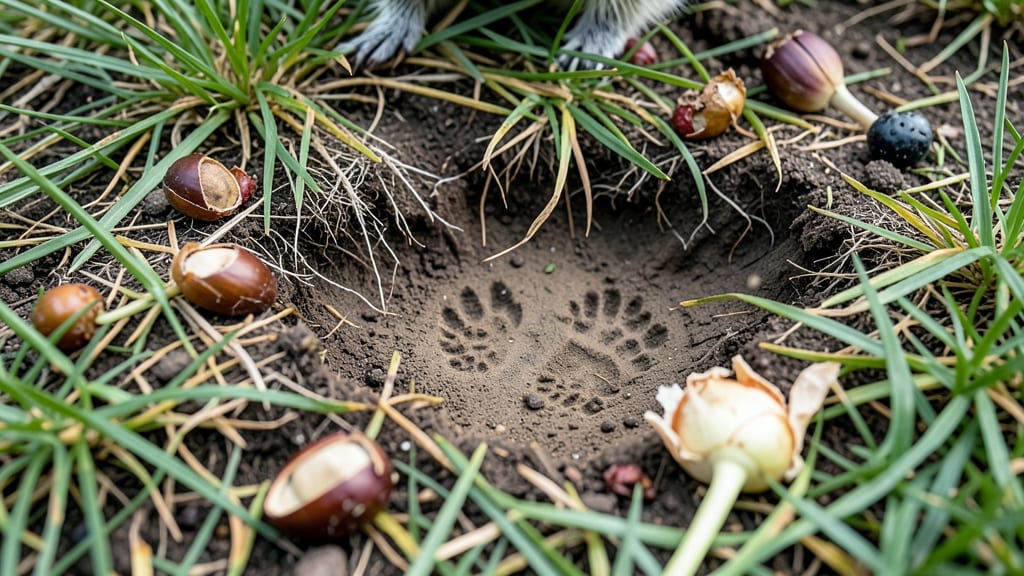
Those jagged claw marks and churned-up soil are unmistakable signs of raccoon activity—and if you’ve spotted the damage in these raccoon lawn damage pictures, you’re not alone.
I’ve spent three frustrating seasons repairing raccoon damage, from torn-up grass to chewed plants, and I’ll show you exactly how to identify the problem and fix it for good.
The damage isn’t just unsightly—it’s destructive. Raccoons dig up grass roots, leave behind scattered debris, and create muddy patches that take weeks to recover. The worst part? They often return night after night if you don’t address the root cause.
My lawn went from a neat, green carpet to a trampled mess in just a few weeks, and I’ll share the steps that finally stopped them.
By the end of this guide, you’ll know how to patch claw marks, reinforce weak spots, and implement humane deterrents that actually work. No more waking up to fresh destruction—just a lawn that stays intact, even when raccoons are around. Let’s get your yard back in shape.
We’ll cover everything from quick fixes to long-term prevention, so whether you’re dealing with minor scratches or full-blown raccoon excavation sites, you’ll have a step-by-step plan to restore your lawn’s health. Ready to reclaim your yard?
The Real Culprits Behind Lawn Destruction
Raccoons don’t just raid trash cans—they turn lawns into their personal buffet tables, leaving behind a trail of destruction that can be both frustrating and costly. But why do these masked bandits target your yard in the first place?
The answer lies in their biology, behavior, and the unintentional invitations you might be sending them. Let’s break down the science (and the sneaky habits) behind raccoon lawn damage.
Raccoons are omnivorous opportunists, meaning they’ll eat almost anything—and your lawn might as well be an all-you-can-eat salad bar. Their sharp claws and dexterous paws are evolutionarily designed for digging, sifting, and uncovering food, a behavior honed over thousands of years. Here’s what they’re after:
- Grubs and Insects 🐜 Raccoons have an acute sense of smell (up to 10,000 times more sensitive than humans) and can detect underground grubs, beetle larvae, and worms from feet away.
A single raccoon can dig up hundreds of square feet of lawn in one night, turning it into a moon-like crater in search of a meal.
- Fallen Fruit and Seeds 🍎 If your yard has fruit trees, berry bushes, or even overripe veggies from a garden, raccoons will raid them systematically.
They don’t just eat the fruit—they knock it to the ground, then dig through the mulch or soil to find every last scrap.
- Decaying Organic Matter 🍂 Leaves, compost piles, and even pet food left outside are magnets for raccoons. They’ll tear into mulch beds, flip over flower pots, and dig near tree roots to access hidden nutrients.
Pro Tip: 💡 If your lawn has soft, moist soil (common in spring or after rain), raccoons will find it easier to dig—making your yard a prime target.
You might not realize it, but your daily routines could be inviting raccoons to treat your lawn like a five-star restaurant. Here’s how:
- Unsecured Trash and Compost 🗑️ Raccoons are highly intelligent (ranked among the smartest mammals) and can open latches, untie knots, and even remove trash can lids.
If they find food in your bin, they’ll mark the area with scent and return night after night—often digging near the trash route to access spilled scraps.
- Pet Food Left Outside 🐶🍖 A single bowl of kibble or wet food can attract a whole raccoon gang. They’ll not only eat it but dig around the feeding area, creating unsightly holes in the process.
- Pools of Standing Water 💦 Raccoons need water to survive, and stagnant water (like in clogged gutters, birdbaths, or shallow puddles) becomes a gathering spot. Once they find a water source, they’ll stay nearby, increasing the chance they’ll dig into your lawn.
- Overgrown Bushes and Dark Corners 🌿 Raccoons are nocturnal and prefer secluded, shaded areas to avoid predators. If your yard has dense shrubbery, tall grass, or untrimmed hedges, they’ll use it as a hiding spot—and a launching pad for raiding your lawn.
Pro Tip: 🔥 Remove food sources first—if raccoons can’t find an easy meal, they’ll move on. Start with securing trash cans with bungee cords, using raccoon-proof lids, and clearing pet food bowls at night.
Raccoon activity isn’t random—it’s highly seasonal, and certain times of year make your lawn extra vulnerable:
| Season | Why Raccoons Target Lawns | Peak Damage Risk |
|---|---|---|
| Spring | Grubs hatch after winter, making soil soft and easy to dig. | 🌱 March–May |
| Summer | Warm nights = more active foraging. Drought can also expose grubs near the surface. | ☀️ June–August |
| Fall | Raccoons stockpile food for winter, leading to frantic digging. | 🍂 September–November |
| Winter | Snow covers food, but raccoons dig through frost to find buried scraps. | ❄️ December–February (especially after storms) |
Pro Tip: 🌡️ Mulch your lawn in late summer—a thick layer of mulch can deter digging by making it harder for raccoons to access grubs.
Not all yards are equal in raccoon appeal. If your property has these features, you’re basically rolling out the welcome mat:
- Open Grass Fields 🌿 Raccoons prefer short, easy-to-dig lawns over thick ground cover. If your yard is mostly smooth turf, they’ll see it as a grub buffet.
- Proximity to Wooded Areas 🌳 If your home borders a forest, park, or even a large backyard tree, raccoons have a direct highway to your lawn. They’ll use tree branches to jump down and start digging immediately.
- Poor Lighting at Night 💡 Raccoons avoid well-lit areas because they’re easier for predators (like coyotes or owls) to spot them. If your yard is dark, they’ll feel safe digging for hours.
Pro Tip: ✨ Install motion-activated lights near high-risk areas—raccoons hate being exposed and will avoid well-lit zones.
Ironically, **some lawn treatments can attract raccoons by making their natural food sources scarcer—or by creating chaos in their ecosystem.
- Overuse of Pesticides 🐜❌ If you’ve sprayed for grubs or insects, raccoons will smell the disruption and dig even harder to find surviving prey. They’re also drawn to areas where pests are dying (the scent of distress attracts them).
- Dead or Fallen Trees 🌲 Raccoons love nesting in hollow trees or fallen logs. If you’ve recently removed a tree, they’ll seek shelter in your yard instead, increasing digging activity.
Pro Tip: 🎯 Use targeted, eco-friendly grub control—instead of broad-spectrum pesticides, opt for beneficial nematodes (microscopic worms that kill grubs without harming raccoons).
While food is the #1 reason raccoons destroy lawns, they also dig for:
- Nesting materials (roots, mulch, soft soil)
- Fun and enrichment** (yes, they play in dirt—like a cat in a sandbox)
- Territory marking (they scratch and dig to leave scent signals)
Bottom Line: Your lawn isn’t just a meal—it’s a multi-purpose playground for raccoons. The good news? Understanding their motives is the first step to outsmarting them. 🚀
Stop Raccoon Lawn Destruction Now
Raccoons may look cute, but their digging, chewing, and nesting habits can turn your lawn into a chaotic mess. The good news? You can reclaim your yard with the right strategies—whether it’s deterring them, repairing damage, or preventing future invasions.
Below, we’ve mapped practical fixes to the most common raccoon-related lawn problems, along with prevention tips to keep these masked bandits out for good.
Raccoons dig holes to uncover grubs, insects, or to create nesting sites. If your lawn looks like a lunar landscape, act fast.
🍳 Secure the Food Source (Remove Grubs & Insects)
Raccoons dig where food is plentiful. Eliminate their buffet with these steps: - Apply grub control in early spring or fall using beneficial nematodes or imidacloprid-based treatments.
Follow package instructions for safe application. - Aerate your lawn to reduce compacted soil, making grubs less accessible. Do this in early fall or spring when raccoons are less active. - Use milky spore powder (a natural bacteria) to target Japanese beetle grubs—raccoons hate it.
👨🍳 Patch the Holes & Reseed
Once the digging stops, restore your lawn with minimal effort:
- Fill holes with a mix of topsoil and compost (or sand for drainage).
- Reseed the patched areas with fast-growing grass seed (like ryegrass or fescue) for quick recovery.
- Water lightly for the first week to help seeds germinate.
🌡️ Prevent Future Digging with Deterrents
- Spread chicken wire or hardware cloth over freshly seeded areas until grass fills in.
- Install motion-activated sprinklers (like ScareCrow) to startle raccoons with a sudden spray.
- Use raccoon repellent sprays (like Hot Sauce Repellent or Predator Urine) around high-digging zones.
Raccoons don’t just dig—they munch on bulbs, young plants, and even mulch. Here’s how to stop the snacking.
🔪 Fortify Vulnerable Plants
- Cover tender plants with wire mesh or row covers until they mature.
- Plant raccoon-resistant alternatives:
- Daffodils (toxic to raccoons)
- Boxwoods or holly (bitter taste)
- Marigolds (deter pests raccoons eat)
- Remove fallen fruit from trees (raccoons love easy snacks!).
⏰ Set Up Physical Barriers
- Install fencing at least 8 feet high (raccoons are agile climbers!) with overhanging wire to prevent them from jumping over.
- Use tree collars (metal bands around trunks) to protect young trees from chewing.
- Secure compost bins with bungee cords or locks—raccoons love rummaging through them!
🎯 Use Humane Traps & Relocation (Last Resort)
If raccoons are frequently returning, consider:
- Live traps (check local laws first—some areas require permits).
- Professional wildlife removal if DIY efforts fail.
- Never use poison—it’s inhumane and can harm pets/children.
Want to keep raccoons away for good? Try these proactive strategies:
| Problem | Solution | When to Do It |
|---|---|---|
| Attracting food | Remove pet food, secure trash cans | Nightly (especially summer) |
| Easy access to shelter | Trim tree branches, seal attic gaps | Fall & spring |
| Standing water | Fix leaks, empty saucers, add motion sprinklers | Year-round |
| Unsecured compost | Use locked bins or hot composting | Always |
🔥 Pro Tip: Ammonia-soaked rags placed near entry points can deter raccoons—they dislike the smell! ✨ Bonus Hack: Plant mint or garlic around your yard; raccoons avoid these strong scents.
By combining immediate fixes with long-term prevention, you’ll have your lawn back in shape—and raccoons will have moved on to greener (and less guarded) pastures. No more trenches, no more chewed plants—just a lush, raccoon-free yard! 🌿🚫🦝
Frequently asked questions
What do raccoon claw marks on grass look like?
Raccoon claw marks appear as jagged, irregular tears in the grass—think of someone ripping fabric with sharp claws. The damage often creates muddy patches where soil is exposed, and you’ll notice scattered debris (like torn-up roots or mulch). Unlike animal tracks, these marks are randomly scattered rather than in neat paths.
How can I tell if raccoons are digging in my yard at night?
Look for freshly turned soil in the morning, especially near tree roots, garden beds, or trash areas. You may also hear scratching or rustling sounds after dark. Check for scattered pet food, overturned pots, or disturbed mulch—these are classic raccoon red flags.
Will raccoons stop digging if I just patch the holes?
No—patching holes is a temporary fix that won’t stop them. Raccoons dig because they’re hunting for food (like grubs) or nesting materials. You’ll need to remove food sources (grubs, fallen fruit) and use deterrents (like motion-activated sprinklers) to break their habit.
Are there plants raccoons won’t eat or dig near?
Yes! Raccoons avoid daffodils, boxwoods, and marigolds—these plants are either toxic or have strong scents they dislike. You can also try mint or garlic plants around your yard’s perimeter, as their pungent smells naturally repel them.
Can I use pepper spray to keep raccoons away?
Yes, but only as a last resort—pepper spray can be harmful to pets and children. For a safer option, try hot sauce repellent sprays (available at garden stores) or ammonia-soaked rags placed near entry points. Always check local wildlife regulations first.