
Lawn
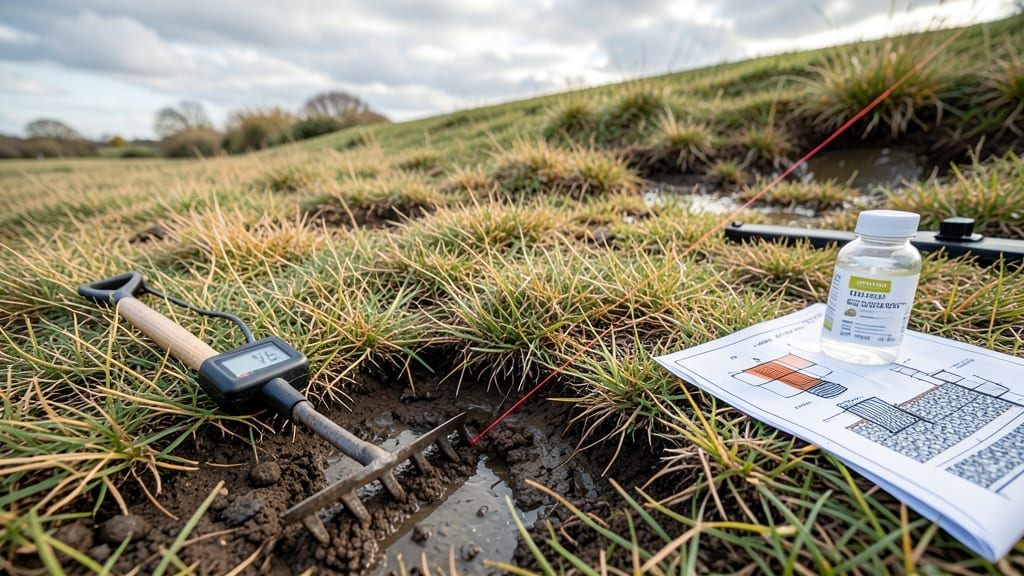
Your lawn’s standing water isn’t just a puddle problem—it’s a silent killer of grass roots. 🌱 I’ve watched soggy patches turn from temporary nuisances into permanent brown spots, and the fix starts with understanding why water pools in the first place.
Most people blame the weather, but the real culprits are compacted soil, poor grading, or clogged drainage systems.
A simple soil test can reveal if your lawn’s foundation is too dense for water to escape, while a quick walk with a level shows whether your yard slopes toward your house instead of away.
By the end of this, you’ll have a plan to redirect water, aerate compacted soil, and even choose grass types that handle moisture better. The result? A lawn that stays green, not drowned.
Let’s turn those puddles into a thing of the past—no more fungal threats or root rot lurking beneath the surface.
The Hidden Causes Behind Wet Spots
Standing water on your lawn isn’t just an eyesore—it’s a sign that something’s off beneath the surface. Whether it’s a soggy patch after rain or a persistent puddle that refuses to dry, understanding the root causes is the first step to fixing it.
Here’s why your lawn might be holding onto water like a sponge that won’t let go.
🌱 Clay-heavy soil is the #1 reason water pools instead of draining. Clay particles are tiny and tightly packed, leaving little space for water to seep through. When rain falls, the water sits on top because it can’t penetrate the dense layers below.
How to spot it:
- Water collects in the same spots every time it rains.
- Soil feels sticky when wet and hard when dry.
- Puddles take days to evaporate, even in sunny weather.
Actionable fix: Test your soil’s drainage by digging a 6-inch hole, filling it with water, and timing how long it takes to drain. If it’s slower than 4 hours, you’ve got clay soil on your hands.
👟 Foot traffic, heavy machinery, or even pets can compress soil over time, crushing the tiny air pockets that help water drain. Compacted soil acts like a sealed lid—water has nowhere to go but up (or stay put).
Signs of compaction:
- Grass grows patchy or turns yellow in high-traffic areas.
- Soil feels solid like a brick when pressed.
- Water spreads outward instead of soaking in.
Quick test: Stick a screwdriver into the ground—if it won’t go past 2 inches without resistance, your soil is compacted.
🏔️ Flat or gently sloping lawns rely on gravity to move water away. If your yard is level or dips slightly, rainwater has no incentive to flow elsewhere—it just sits and waits for evaporation (which can take forever).
Red flags:
- Water pools in the lowest areas of your yard.
- No natural drainage paths (like a slight incline) exist.
- Puddles form even after light rain.
Pro tip: Use a level tool to check for dips. If your yard is flatter than a pancake, it’s time to rethink the landscape design.
🚧 Drainage pipes, French drains, or storm sewers can become blocked by debris, roots, or sediment buildup. If these systems fail, water has no escape route and backs up onto your lawn.
Warning signs:
- Puddles form near gutters, downspouts, or curb edges.
- Water disappears into the ground near a drain… then reappears elsewhere.
- You notice slow drainage after heavy rain, even in areas that usually dry fast.
DIY check: Inspect downspouts and gutters for clogs. If they’re clear but water still pools, it’s time to call a drainage pro to scope out underground issues.
🏠 Driveways, sidewalks, and patios act like giant lids over your lawn. When it rains, water runs off these surfaces and pools where the ground can’t absorb it fast enough.
How it happens:
- Rainwater flows from hard surfaces straight onto grass.
- Soil beneath these areas becomes oversaturated.
- Puddles form at the edges of concrete or pavement.
Solution: Install French drains or permeable pavers to redirect water away from problem zones.
💧 If your yard sits near a natural water source (like a lake, river, or underground aquifer), the water table might be too close to the surface. Even light rain can cause water to rise and spill over.
Clues it’s your water table:
- Puddles appear even without rain.
- The issue worsens after prolonged wet weather.
- Neighbors with similar soil types report the same problem.
Long-term fix: Consider swales (shallow trenches) or dry wells to redirect excess water deeper underground.
🌾 Thatch (a layer of dead grass, roots, and debris) can build up over time, acting like a waterproof barrier. If it’s thicker than ½ inch, water can’t penetrate to the soil below.
How to tell if thatch is the issue:
- Pull up a small patch of grass—if you see a spongy layer between the soil and roots, that’s your culprit.
- Water beads up on the surface instead of soaking in.
- Your lawn feels "mushy" when walked on.
Fix it: Dethatch with a rake or power dethatcher in early spring or fall. Aim for a thatch layer no thicker than ¼ inch.
Key Takeaway: Standing water is rarely just one problem—it’s usually a combo of poor soil, blocked drains, and bad grading. Start with the most obvious issue (like compaction or slope), then tackle the deeper fixes. Your lawn (and your sanity) will thank you!
Fixing Wet Lawn Woes Step by Step
Standing water in your lawn isn’t just an eyesore—it can kill grass, attract pests, and even damage your home’s foundation. The good news? Most drainage issues have simple, cost-effective fixes.
Below, we’ll break down solutions by cause, so you can tackle the root of the problem (literally) and keep your lawn lush and dry.
If your yard floods after rain, the issue is likely compacted soil or poor slope. Here’s how to fix it:
🔥 Aerate to Loosen Compacted Soil
- Why? Heavy foot traffic, clay soil, or construction can compress the ground, preventing water from draining.
- How?
- Rent a core aerator (or hire a pro) to pull small soil plugs from your lawn.
- Follow up by top-dressing with ¼-inch of compost or sand to improve drainage.
- Water deeply afterward to help the soil settle.
🍳 Adjust the Grade (Slope) of Your Lawn
- Why? If water pools in low spots, your yard may need a gentle slope (1–2% grade) to direct runoff.
- How?
- Use a laser level to identify low areas.
- Remove sod or topsoil from depressions and redistribute it to higher spots.
- For severe cases, consider landscaping fabric under new soil to prevent future compaction.
💡 Pro Tip:
If your yard is completely flat, create swales (shallow, curved ditches) to funnel water toward a drain or garden bed. Just keep them subtle—you don’t want a muddy golf course!
If gutters, French drains, or storm sewers are backing up, water has nowhere to go.
👨🍳 Clean Out Gutters & Downspouts
- Why? Leaves, dirt, and debris clog gutters, forcing water onto your lawn instead of into the sewer.
- How?
- Use a gutter scoop or leaf blower to remove debris.
- Install gutter guards to prevent future clogs.
- Ensure downspout extensions direct water at least 10 feet away from your home.
🥘 Check & Repair French Drains
- Why? If your French drain (a buried perforated pipe) is cracked or clogged, water will pool.
- How?
- Locate the drain (often near the foundation) and flush it with a hose.
- If it’s blocked, use a drain snake or hydro-jetting service.
- For severe damage, replace the pipe with a new perforated PVC section.
⏰ Schedule Regular Maintenance
- Inspect drains twice a year (spring and fall).
- Test your yard’s drainage after heavy rain—if water still pools, the issue may be deeper.
If water collects near your house, driveway, or patio, you need active drainage solutions.
🔪 Install a Dry Well or Catch Basin
- Why? These systems collect and disperse excess water underground.
- How?
- Dig a 6-foot-deep hole filled with gravel and a perforated pipe.
- For surface water, install a catch basin (a buried grate that funnels water into a drain).
- Best for: Large, low-lying areas where grading isn’t enough.
🌡️ Use Swales or Berms for Natural Flow
- Why? Instead of digging trenches (which can erode), berms (raised mounds) guide water away naturally.
- How?
- Pile soil along the edge of a slope to create a gentle barrier.
- Plant deep-rooted grasses (like fescue) to stabilize the soil.
- Best for: Sloped yards where you want a low-maintenance fix.
🎯 Prevent Erosion with Mulch or Grass
- Why? Bare soil washes away, worsening drainage.
- How?
- Apply straw or wood chips to bare spots to slow water flow.
- Plant errosion-resistant grasses (like tall fescue or buffalo grass) in problem areas.
Once you’ve fixed the drainage, maintain it to avoid future puddles.
| Problem | Prevention Tip | How Often |
|---|---|---|
| Compacted soil | Aerate + overseed | Spring & fall |
| Clogged gutters | Install guards + clean regularly | Every 6 months |
| Poor slope | Re-grade if needed + add swales | One-time fix |
| Weeds in wet spots | Apply pre-emergent herbicide | Early spring |
| Fungal growth | Improve airflow with proper mowing height | Weekly (3–4 inches) |
Final Thought: Most standing water issues are fixable with simple tools and a little elbow grease. Start with the easiest solutions (like cleaning gutters or aerating), then move to bigger projects (like French drains or grading). Your lawn—and your sanity—will thank you! 🌿💦
Frequently asked questions
Why does my lawn only get standing water in certain spots?
Those soggy patches usually mean compacted soil or clay-heavy areas where water can't drain. Heavy foot traffic, construction equipment, or even pet paths create hardpan layers that act like a waterproof barrier. Test by digging a small hole—if water sits for more than 4 hours, you’ve found your problem spot.
Can standing water kill my grass permanently?
Yes, if it persists for more than 48 hours, your grass will suffocate from lack of oxygen. The roots rot, leading to brown patches that won't recover. Even worse, it creates perfect conditions for fungal diseases like brown patch or dollar spot. Act fast by improving drainage before permanent damage occurs.
Will aerating my lawn fix standing water problems?
Aeration creates ¼-inch holes that break up compacted soil, letting water drain 30-50% faster. For best results, aerate in spring or fall, then top-dress with compost or sand to maintain improved drainage. Repeat every 1-2 years for high-traffic areas.
How do I know if my yard needs a French drain?
Install one if water pools near your foundation or after heavy rain, even with clean gutters. Look for these signs: water disappears near a drain but reappears elsewhere, or your basement floods during storms. For DIY, dig a 2-foot-deep trench with gravel and a perforated pipe—just ensure it slopes toward a storm drain.
What's the cheapest way to improve drainage immediately?
Start with these low-cost fixes:
- Rake out thatch (if thicker than ½ inch)
- Create shallow swales (6-inch-deep trenches) to redirect water
- Spread coarse sand (¼ inch thick) over problem areas