
Lawn
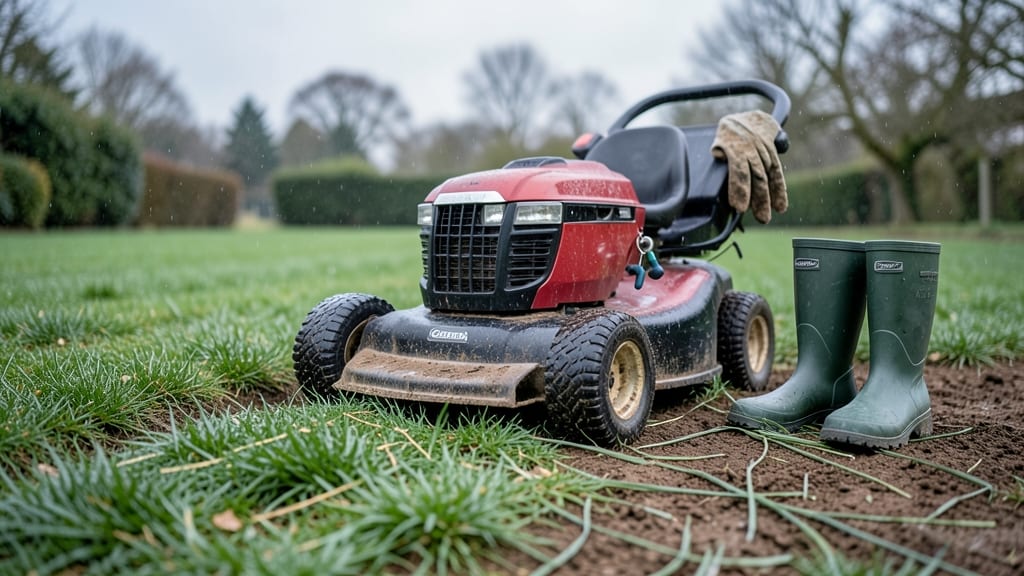
Mowing your lawn after rain can turn your perfect cut into a muddy mess—unless you know the tricks. ✨ I’ve watched neighbors struggle with clumpy grass and uneven cuts, but there’s a simple way to get that clean, dry finish every time.
The key isn’t just waiting for the grass to dry—it’s understanding how moisture affects different grass types and what tools make all the difference.
Start by testing a small patch: press your foot down—if water beads up, it’s too wet. For most grasses, wait 24-48 hours after rain, but cool-season grasses like fescue handle moisture better than warm-season Bermuda.
A sharp mower blade and a mulching setting prevent clumps and tear grass instead of cutting cleanly. And always mow when the grass is slightly dry to avoid spreading disease.
You’ll end up with a lawn that looks professional and healthy, not a muddy disaster. The grass stays upright, roots stay intact, and you avoid the dreaded "scalped" look that invites weeds.
This method works for any yard size, from small suburban plots to large acreages—just adjust your timing based on your grass type and local climate.
Pro tip: Mow when dew is gone but before the grass gets too dry. Over time, this habit builds a stronger lawn that recovers faster from rain. Trust me, your neighbors will notice the difference—and ask for your secret! Now grab that mower and let’s get to work.
📚 In This Guide
- What you need
- Instructions
- Tips and common mistakes
- Wrapping up and next steps
What you need
- ● Lawn mower: Self-propelled or push mower (preferred for wet grass to avoid clumping)
- ○ Optional but helpful: Mower with a mulching or bagging feature to manage clippings easily.
- ● Sharp mower blades: Always sharpen or replace dull blades before mowing wet grass to prevent tearing.
- ● Work gloves: Waterproof or heavy-duty gloves (e.g., mechanics’ gloves) to protect hands from damp grass and debris.
- ● Sturdy closed-toe shoes: Waterproof boots or shoes with good traction (e.g., hiking boots or lawn mowing shoes).
- ● Trash bags (2–4): Heavy-duty contractor bags (30–50 gallon size) for clippings and wet debris.
- ● Garden rake or leaf blower: To clear clumps of grass and debris before mowing.
- ● Waterproof apron or rain poncho: Lightweight and breathable (e.g., Tyvek-style) to stay dry.
- ● Lawn mower spray: Water-repellent spray (e.g., WD-40 Specialist) to reduce clumping.
- ● Knee pads: For comfort if you’re raking or clearing large areas.
- ● Portable fan: To speed up drying time in shaded or damp spots.
- ● Lawn sweeper attachment: If your mower has one, to collect clippings without bagging.
- ● Damp grass indicator: A simple tool (like a moisture meter) to check if the lawn is just damp or still soggy.
Step-by-Step instructions for mowing lawns after rain
Here's how to tackle your lawn after rain—clean cuts, no mud, and a yard you'll actually enjoy walking on.
🌱 Step 1: Wait for the Right Conditions
Don't rush out the first chance you see blue skies. Wait until the top ¼ inch of soil feels dry to the touch—that's usually 24-48 hours after a hard rain. I test by pressing my finger into the grass; if it springs back, it's ready. Mowing too soon means clumps of muddy grass clinging to your mower deck and uneven cuts.
Morning is ideal because dew dries quickly, and the grass is firmer. Avoid midday heat—wet grass burns faster in direct sun, leaving brown patches. If you're unsure, wait another day. Patience here saves you from a messy, frustrating session.
☀️ Step 2: Adjust Your Mower for Dry Grass
Raise your mower blade to its highest setting—3-4 inches—for the first cut after rain. Wet grass is more fragile, and a lower cut will tear blades instead of cleanly slicing them. I always check the manufacturer's guide for my model's maximum height; never exceed it. This also encourages deeper root growth, making your lawn more drought-resistant over time.
Sharpen your mower blade if it's been a while. A dull blade tears grass instead of cutting it cleanly, leaving ragged edges that brown quickly. You'll see clean, white tips on the grass clippings when it's sharp. If your mower has a self-sharpening feature, engage it before starting.
💧 Step 3: Mow in the Right Direction and Pattern
Switch up your mowing pattern—go perpendicular to your last cut—to prevent soil compaction and train grass to grow upright. Start at the highest point of your yard (usually the back) and work forward to avoid pushing water toward your house. I like to mow in overlapping passes with a 20% overlap to ensure even coverage without missing spots.
Go slow—1-2 mph—to avoid clumping grass clippings. A faster mower chews up the grass instead of cutting it cleanly, leaving behind uneven patches. Listen for a smooth, rhythmic sound; if it's grinding or vibrating harshly, you're going too fast. Empty the bag or deck every 10-15 minutes to prevent clogs from damp clippings.
✂️ Step 4: Clean Up and Inspect Your Work
After mowing, rake any remaining clumps or wet debris into piles and either bag them or spread them thinly as mulch. I use a stiff-bristled rake to avoid tearing fresh grass. Check for missed spots—wet grass hides uneven areas, so walk the yard afterward with fresh eyes. You'll spot bare patches or tall grass you might have overlooked in the excitement of finally mowing.
Sharpen or clean your mower blade immediately after finishing. Wet grass clippings dry and harden on the blade, making future cuts even messier. Wipe down the deck with a damp cloth to remove stuck-on grass. Store your mower in a dry place to prevent rust. A little maintenance now means fewer headaches next time.
🪴 Step 5: Water and Maintain for Long-Term Health
Water your lawn lightly the day after mowing—¼ inch—to help recover from the stress of cutting. Deep watering right after mowing can wash away nutrients and compact the soil. I set my timer for early morning to reduce evaporation and fungal growth. Avoid watering in the evening; damp grass overnight invites disease.
Leave grass clippings on the lawn if they're short and dry—never more than ⅓ of the blade length. They act as natural mulch, returning nitrogen to the soil. But if you bagged them, apply a light fertilizer with slow-release nitrogen to replenish what was lost. This keeps your lawn lush without overdoing it.
Tips & tricks for perfect lawn mowing after rain
Real talk: The difference between a clean, even cut and a muddy mess often comes down to these simple adjustments.
Soil Test Trick: For the 24-48 hour wait time, I press my finger into the soil about ¼ inch deep—if it springs back immediately, it's ready. If it sticks or leaves a dent, wait another 6-12 hours. This simple test prevents that frustrating mud clinging to your mower deck. Pro move: Test in multiple spots—some areas dry faster than others.
Blade Height Secret: The 3-4 inch setting in Step 2 isn't just about avoiding tears—it's about long-term lawn health. Taller grass shades soil, retains moisture better, and develops deeper roots. I mark my mower's height settings with a permanent marker so I never accidentally drop it lower after rain. This one adjustment makes all the difference for post-rain recovery.
Mowing Speed Hack: That 1-2 mph speed recommendation in Step 3 is easier than it sounds. Think "walking pace"—if you're breathing hard, you're going too fast. I set a timer for the 10-15 minute bag emptying intervals and use that as my rhythm. Slow mowing also helps prevent those frustrating clumps that turn your yard into a mud pit.
Post-Mow Inspection: After cleaning up, I do a quick "walk and look" test—step on every section of mowed grass. If it springs back, you're good. If it leaves footprints, you need to water lightly (that ¼ inch) and let it recover before walking on it. This simple check prevents compaction that makes future mowing even harder.
Pro Tips for Lawn Mowing After Rain
- Real talk: The difference between a clean, even cut and a muddy mess often comes down to these simple adjustments.
- Soil Test Trick: For the 24-48 hour wait time, I press my finger into the soil about ¼ inch deep—if it springs back i...
- Blade Height Secret: The 3-4 inch setting in Step 2 isn't just about avoiding tears—it's about long-term lawn health....
Frequently asked questions
Got questions about tackling your lawn after a rainy day? Here are some of the most common concerns—and their solutions—to help you mow like a pro without turning your yard into a mud pit.
How long should I wait to mow after rain before the grass dries?
Wait until the top 1-2 inches of your lawn are dry to the touch—usually 24-48 hours after light rain or 48-72 hours after heavy downpours. Test by stepping on the grass: if it springs back, it’s safe. Rushing risks clumping, uneven cuts, and clogged mower decks.
What’s the best way to mow a wet lawn without damaging it?
If you must mow wet grass, raise your mower blade ½ to 1 inch higher than usual to avoid tearing blades. Use a dull mower deck (sharp blades cut cleaner) and mow slowly in one direction to prevent clumps. Avoid wet clippings—rake them up or bag them to prevent thatch buildup.
Can I use a push mower or ride-on mower after rain?
Both work, but push mowers are better for small, wet areas because they’re lighter and easier to maneuver. Ride-on mowers can handle larger lawns, but avoid them on soggy ground—they can compact soil or get stuck. If using a ride-on, opt for wide, low-pressure tires to distribute weight.
What should I do if my mower keeps clogging with wet grass clippings?
Stop mowing immediately and clear the clippings from the deck, underside, and bagger. Use a grabbers tool or gloved hands to pull out wet clumps. For stubborn buildup, spray the deck with a hose (while the engine is off!) or use a mower deck cleaner. Always empty the bag frequently to prevent overflow.
Is there a way to speed up drying grass after rain?
Yes! Mow on a sunny day with a breeze—direct sunlight and wind dry grass faster. If rain is forecast again, rake leaves or debris off the lawn to improve airflow. For large areas, consider a leaf blower to circulate air. Avoid mowing at dusk or dawn when dew is present.
Wrapping up and next steps
Mowing your lawn after rain doesn’t have to be a muddy mess—with the right tools, timing, and techniques, you can achieve a dry, even cut every time! 🌧️✨ The key is patience, proper prep, and knowing when to strike.
Whether you’re using a sharp mower blade, waiting for the right conditions, or employing clever tricks like mowing in sections, your lawn will thank you with a fresh, lush look.
Ready to tackle that post-rain mow with confidence? Grab your gear, check the weather, and get out there—your perfectly trimmed lawn awaits! For even more tips, bookmark this guide or share it with fellow lawn enthusiasts. Happy mowing!