
Lawn
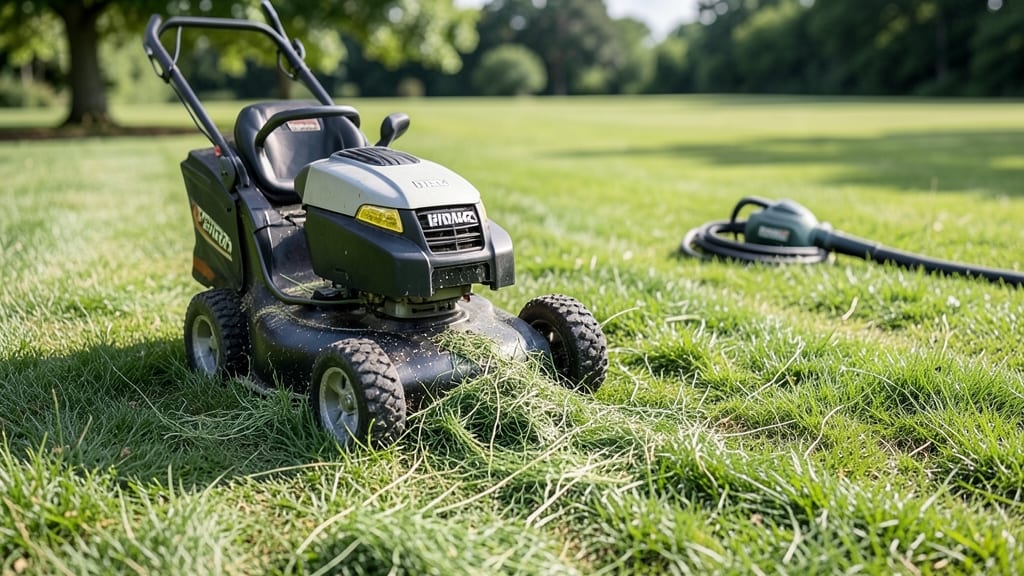
Mowing leaves into your lawn turns autumn cleanup into a nutrient boost—no waste, just richer grass. 🌿 I used to rake piles of leaves into bags, but after trying mulching, I never looked back.
The key is doing it right: too many leaves smother grass, but the right amount feeds it.
Start when leaves are dry but not frozen—typically October through November. Use a sharp mower blade set to its highest setting to chop leaves into tiny pieces, like confetti.
A ¼-inch cut size works best; anything larger clumps and blocks sunlight. Bagging leaves only makes sense if they’re diseased or from non-organic sources.
You’ll notice greener grass by spring, thanks to the natural nitrogen and organic matter. Mulched leaves also reduce winter weeds and improve soil texture. Just avoid mulching if leaves are thick enough to smother grass—then rake them up and compost instead.
Works for any lawn size, from small suburban yards to large acreages. The only tools you need are a mower and patience—no fancy equipment required. Here’s how to do it without scalping your grass or clogging your mower.
📚 In This Guide
- What you need
- Instructions
- Tips and common mistakes
- Wrapping up and next steps
What you need
- ● Lawn mower (preferably a mulching mower—check for a "mulch" or "no-bag" setting 🔧). If your mower doesn’t mulch, a bagging mower works too!
- ● Leaves—aim for dry, crisp leaves (wet leaves clump and jam mowers!). A thin, even layer (about ¼ to ½ inch) covering the lawn is ideal.
- ● Gloves (heavy-duty gardening gloves to protect hands from twigs and sharp edges 🧤).
- ○ Rake or leaf blower (optional but helpful for prepping leaves—especially if they’re thick or wet).
- ● Leaf shredder (if leaves are large or tough, like oak or maple—shredding speeds up mulching!).
- ● Lawn fertilizer (light application after mulching to enhance nutrient absorption 🌱).
- ● Knee pads (for comfort if you’re raking or adjusting settings).
- ● Safety glasses (if leaves are dusty or debris-heavy).
- ● Check your lawn’s moisture level—mulching works best on dry grass (wet leaves = soggy mulch!).
- ● Ensure your mower is clean and sharp (dull blades tear grass instead of mulching 🔪).
- ● Pick a calm, dry day to avoid spreading leaves everywhere.
Step-by-Step guide to mowing leaves into lawn
Here's how to turn autumn's leaf pile into free fertilizer for your lawn—no extra work or waste.
🪴 Step 1: Choose the Right Mower Settings
Set your mower blade to its highest setting—typically 3-4 inches—to avoid scalping the grass. This ensures you're mulching leaves into small enough pieces to decompose quickly while leaving the grass blades intact. I like to run the mower twice over the same area: first pass to chop leaves coarsely, second pass to shred them finer.
If your lawnmower doesn't have adjustable height settings, use the highest position available. You'll see the difference immediately—coarse mulch clumps won't break down, but fine mulch will disappear into the grass within days. This step prevents leaf piles from smothering your lawn while keeping the nutrients right where they belong.
🌿 Step 2: Mow When Leaves Are Dry
Wait until leaves are completely dry before mulching—wet leaves clump together and clog your mower. I check by crumpling a handful; if it stays balled up, it's dry enough. Mowing dry leaves also ensures even distribution—no soggy patches that turn into mud.
Start by mowing in one direction, then turn and mow perpendicular to the first pass. This crosshatch pattern chops leaves into smaller pieces faster. You'll notice the lawn looks slightly darker after the first pass—that's the mulch working its magic, returning organic matter to the soil.
⏰ Step 3: Repeat Until Leaves Disappear
Don't expect perfection in one pass. Most lawns need 2-3 mowings to fully mulch leaves, especially if they're thick. I aim to return every 3-5 days until the lawn looks clean and the mulch blends seamlessly into the grass. The key is consistency—small, frequent passes work better than one heavy mowing.
Watch for bare spots where leaves piled up. If you see these, rake them out and redistribute them evenly. Over time, you'll develop a rhythm: mow when leaves cover 25-30% of the lawn—that's the sweet spot for mulching without smothering the grass.
☀️ Step 4: Monitor Grass Health
After mulching, keep an eye on your lawn for 2-3 weekshigh-nitrogen fertilizer.
In my experience, the best mulched lawns have a slightly darker green hue and feel softer underfoot. That's the mulch at work—improving soil structure and feeding the grass roots naturally. If you see mushrooms popping up, that's actually a good sign: it means the mulch is breaking down and adding organic matter to the soil.
Tips & tricks for perfect leaf mulching
Here's what I learned after mulching leaves for years—small tweaks that make all the difference.
Mower Blade Height Secret: In Step 1, if your mower doesn't have adjustable settings, try mowing with the deck raised slightly higher than normal. This creates even finer mulch that blends into grass faster. For tough leaves like oak, a second pass with the bagger attachment (if available) helps collect any large clumps that didn't break down.
Timing is Everything: The 3-5 day return interval in Step 3 works best when you mow before leaves cover more than 30% of your lawn. I've found that thick layers (over 50%) can smother grass even when mulched properly. Think of it like raking—just enough to keep it manageable, not overwhelming.
Leaf Type Matters: Different leaves break down at different rates. Maple and birch mulch quickly, while thick oak leaves need those 2-3 passes to fully decompose. If you notice piles of undissolved leaves after your first mowing, switch to the bagger attachment or rake them up for compost instead.
Grass Health Indicator: In Step 4, those mushrooms popping up after 2-3 weeks are actually a good sign—they mean your mulch is working! But if you see yellow patches, don't panic. A light nitrogen fertilizer application (like grass clippings or a quick 10-0-10 spread) will help restore balance without breaking the bank.
Pro Tips for Mowing Leaves Into Lawn
- Here's what I learned after mulching leaves for years—small tweaks that make all the difference.
- Mower Blade Height Secret: In Step 1, if your mower doesn't have adjustable settings, try mowing with the deck raised slightly higher than normal.
- Timing is Everything: The 3-5 day return interval in Step 3 works best when you mow before leaves cover more than 30% of your lawn.
Frequently asked questions
Got questions about mulching leaves into your lawn?
Here are some of the most common ones—plus quick, actionable answers to keep your yard thriving while cutting waste.
When is the best time to mow leaves into the lawn?
The ideal time is early fall (September–October in most regions) when leaves are dry but haven’t yet compacted into thick mats. Avoid mulching wet leaves—they clump and smother grass. For heavy leaf fall, tackle it in stages to prevent suffocation. Pro tip: Wait until temps drop below 60°F to minimize fungal risks.
Will mulched leaves harm my grass?
Not if done right! Thin layers (¼-inch thick) decompose safely, but thick mats block sunlight and air, leading to brown patches. Test your lawn’s tolerance first: Mow a small section and monitor for 2–3 weeks. If grass stays green, you’re golden. Troubleshoot: Rake up excess leaves if you see discoloration.
Can I mulch leaves if I have a new sod or seed?
Hold off for at least 3–4 weeks after sod installation or until seeds germinate (check your seed packet). Mulching too soon can smother tender roots or seedlings. Instead, rake leaves into piles for compost or use a leaf blower to clear them. Key rule: Prioritize root establishment before adding organic matter.
What if my lawn looks messy after mulching?
Uneven mulching can leave a “chopped” look, but it’s temporary! Run your mower over the area again at a higher setting (3–4 inches) to redistribute leaves evenly. For stubborn patches, spot-rake and re-mulch. Over time, the leaves will break down into a natural fertilizer—patience pays off! Bonus: Mulch in one direction for a cleaner finish.
Are there alternatives if I don’t want to mulch leaves?
Try these zero-waste options:
- Composting: Shred leaves (with a lawn mower or chipper) and mix with yard waste for nutrient-rich compost.
- Leaf Mold: Store leaves in a bin for 1–2 years—they’ll turn into a fluffy, soil-amending mulch.
- Donate: Many farms, gardens, or municipal programs accept leaves for mulch or erosion control.
Remember: Even “waste” leaves are a resource—just repurpose them!
Wrapping up and next steps
Transforming lawn clippings and fallen leaves into nutrient-rich mulch isn’t just eco-friendly—it’s a game-changer for your lawn’s health! 🌱 By embracing zero-waste mulching, you’re saving time, reducing waste, and feeding your grass naturally. The best part? You’re already equipped with everything you need.
Ready to take the next step? Start small—try mulching just one section of your lawn this weekend, and watch the difference a few weeks later. Your grass (and the planet) will thank you! 💚