
Lawn
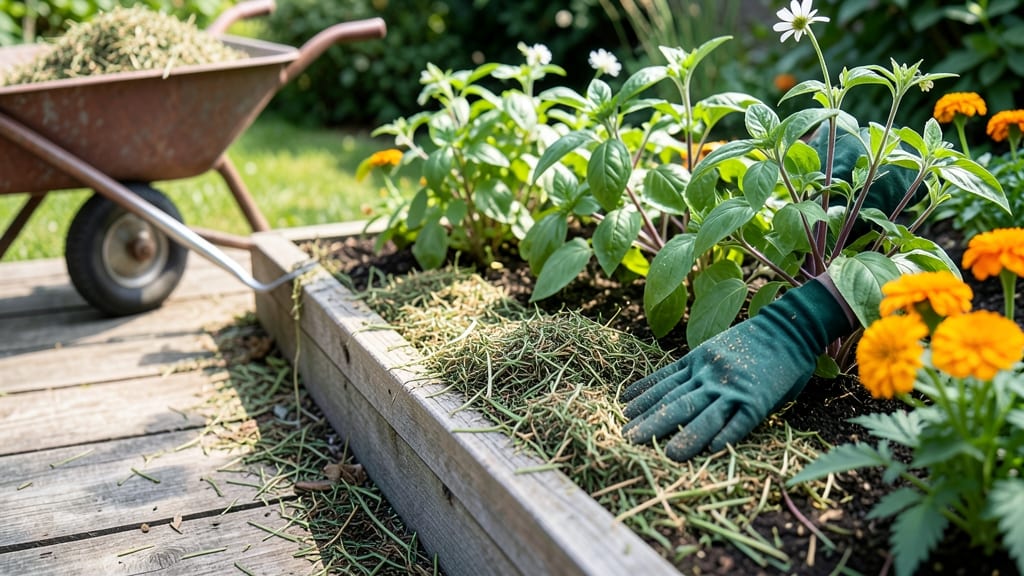
Using lawn clippings in your garden boosts soil health by adding nitrogen and organic matter while naturally suppressing weeds, but improper application can create thatch or spread diseases. Always spread thinly or compost them first for best results.
Lawn clippings act as a natural fertilizer because they're packed with nitrogen from grass blades, which breaks down into plant-available nutrients over time. 🌱 When you spread them thinly (about ¼-inch thick) as mulch, they also lock in moisture and block sunlight from weed seeds.
However, thick layers can smother plants or create a thatch layer that traps moisture and invites fungus. I've found that composting clippings first speeds up decomposition and makes them even more effective for garden beds.
For best results, apply clippings when the grass is dry and spread them evenly across garden beds or between rows. Avoid using them on wet soil or near plants prone to fungal diseases like tomatoes.
In my experience, mixing clippings with other organic matter like leaves creates a nutrient-rich compost that's perfect for vegetable gardens and flower beds.
Seasonal timing matters too—spring and fall are ideal because the soil is warm enough for decomposition but not so hot that clippings dry out before breaking down. Just remember: fresh clippings work quickly as mulch, while composted clippings provide slow-release nutrients that feed plants all season long.
💡 In This Article
- How Lawn Clippings Improve Garden Soil and Plant Growth
- Best Methods for Applying Lawn Clippings Without Harming Plants
How lawn clippings improve garden soil and plant growth
Lawn clippings are essentially a free, nitrogen-rich fertilizer because grass blades contain about 1-4% nitrogen by dry weight, along with smaller amounts of phosphorus and potassium. When you spread them, they begin decomposing almost immediately thanks to the activity of soil microbes like bacteria and fungi.
These microorganisms break down the cellulose and lignin in the clippings, converting them into humus—a dark, spongy material that improves soil structure and holds nutrients. 🌱 The decomposition process also releases heat, which can temporarily raise soil temperatures by 5-10°F in the first few days, further accelerating microbial activity.
One of the most noticeable benefits is moisture retention. A ¼-inch layer of clippings can reduce soil evaporation by up to 25% by creating a protective barrier that locks in water. This is particularly valuable in hot climates where soil can dry out quickly.
The clippings also act as a natural mulch, blocking sunlight from weed seeds and preventing germination. Studies show that properly applied clippings can reduce weed growth by 50-70% in garden beds.
However, the key difference between fresh and composted clippings lies in their nutrient release rates: fresh clippings decompose quickly, providing a short-term nitrogen boost, while composted clippings release nutrients slowly over months.
For plant growth, the nitrogen in clippings promotes lush, green foliage, which is why they're especially beneficial for leafy vegetables like lettuce and spinach. The organic matter also improves soil aeration as it breaks down, creating tiny air pockets that help plant roots breathe.
I've seen firsthand how tomatoes and peppers thrive when grown in soil amended with composted clippings—the plants develop stronger stems and more vibrant leaves.
But here's what most people don't realize: the carbon-to-nitrogen ratio in fresh clippings is about 20:1, which can temporarily tie up nitrogen in the soil if applied in thick layers, potentially causing a nutrient deficiency in plants.
To maximize benefits, consider mixing clippings with carbon-rich materials like dried leaves or straw to balance the ratio. This creates a more stable compost that won't rob nitrogen from your plants. The decomposition process also generates beneficial byproducts like amino acids and growth hormones that stimulate root development.
For example, a 1-inch layer of composted clippings can improve soil organic matter by 1-2% per year, which is comparable to adding a thin layer of commercial compost annually.
The texture of well-decomposed clippings becomes soft and crumbly, almost like finely ground bark, making it ideal for amending heavy clay soils.
Seasonal variations affect how quickly clippings break down. In spring and fall, when temperatures hover around 50-70°F, decomposition occurs at an optimal pace, taking about 2-4 weeks for fresh clippings to fully integrate into the soil.
During summer's heat, this process can happen in just 5-7 days, while winter slows it down to 4-6 weeks. The aroma changes dramatically as they decompose—initially grassy and fresh, then earthy and slightly sweet as microbial activity peaks, and finally rich and humus-like when fully broken down. 🌿
For gardeners using clippings as mulch, the visual difference is striking: beds covered with clippings stay darker and moister longer than bare soil. Over time, the clippings blend seamlessly into the soil, leaving no visible trace of their original form.
This natural cycle makes lawn clippings one of the most sustainable ways to fertilize your garden without synthetic chemicals. The real magic happens below the surface, where microbial communities thrive and soil structure improves with each application.