
Mower
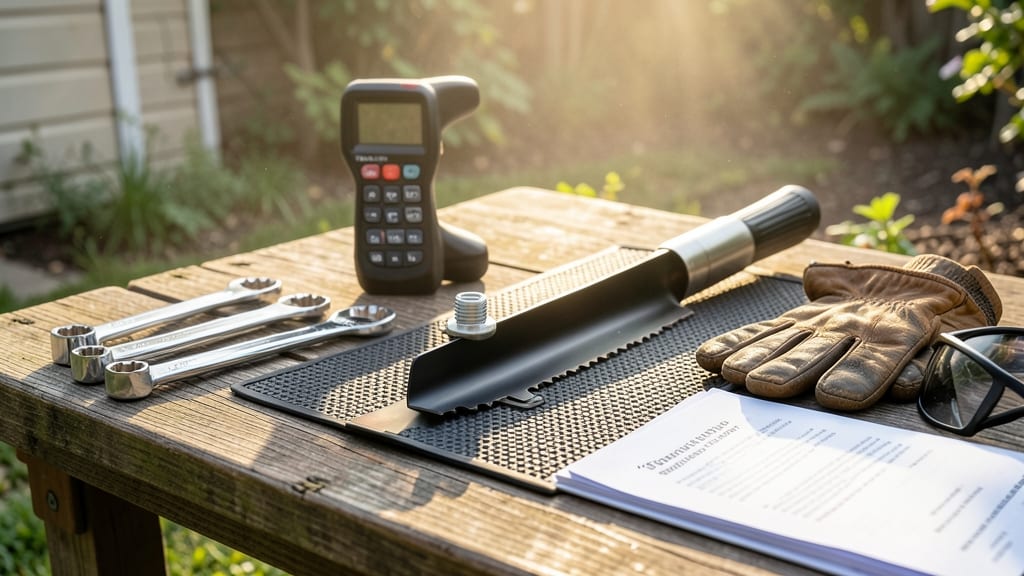
Understanding torque specs for lawn mower blades means knowing residential models (5-10 HP) need 80-120 ft-lbs, while commercial mowers require 150-200 ft-lbs for heavier blades. Always check your manual—overtightening warps blades, and undertightening causes dangerous vibrations.
Torque specs aren't just random numbers—they're designed to match your mower's engine power and blade material. 🔧 For example, a 5 HP residential mower with a steel blade will handle 80 ft-lbs perfectly, while a 10 HP model with cast iron blades might need up to 120 ft-lbs to prevent loosening.
Commercial mowers face tougher conditions, so their blades need that extra 150-200 ft-lbs to stay secure through thick grass and debris. The key is balance: too much pressure distorts the blade, while too little lets it wobble and wear unevenly over time.
Why does this matter? Because proper torque ensures your blade stays sharp longer and your mower runs smoother.
I've seen too many people guess at tightness, only to end up with a blade that's either too loose (causing vibration that damages the deck) or too tight (creating stress points that lead to cracks). Always use a torque wrench—never a regular wrench—and follow the manufacturer's exact specs.
That little extra effort saves you from costly repairs down the road.
💡 In This Article
- How Engine Size Affects Lawn Mower Blade Torque Requirements
- Step-by-Step Guide to Tightening Lawn Mower Blades Safely
How engine size affects lawn mower blade torque requirements
Engine horsepower directly correlates with the torque needed to secure lawn mower blades properly. A 5 HP residential engine typically handles blades requiring 80-90 ft-lbs of torque, while 7-10 HP models often need 90-120 ft-lbs. This isn't random—it's about matching the engine's rotational force to the blade's material strength.
Steel blades (common in residential mowers) are lighter and require less torque, while cast iron blades (used in heavier-duty models) need that extra 20-30 ft-lbs to stay securely fastened during operation. 🔥
The physics here involve centrifugal force: as the blade spins at 2,500-3,600 RPM, it generates outward pressure that tries to loosen the bolts. A 10 HP engine creates more rotational energy, so the bolts must be tightened to a higher specification to counteract this force.
Commercial mowers face even greater demands—thick grass, debris, and longer cutting times create more stress, which is why they require 150-200 ft-lbs. Think of it like this: a 15 HP commercial mower blade experiences roughly 3x the centrifugal force of a 5 HP residential blade during operation.
Blade material plays a surprising role too. Cast iron blades (common in commercial mowers) are denser and heavier, requiring more torque to prevent loosening. Steel blades, while lighter, are more prone to warping if overtightened—so the torque specs are carefully balanced to prevent both loosening and distortion.
I've seen many DIYers use the same torque specs across different mowers, only to have blades either vibrate loose or develop stress cracks within weeks. Always match the torque to both the engine size AND blade material for optimal performance. ✨
Here's a quick comparison to visualize the differences:
- Residential (5-7 HP): Steel blades, 80-100 ft-lbs torque
- Residential (8-10 HP): Cast iron blades, 100-120 ft-lbs torque
- Commercial (15+ HP): Heavy-duty cast iron, 150-200 ft-lbs torque
The torque specs aren't just about preventing loosening—they're also about maintaining blade alignment. When bolts are tightened to the correct specification, they keep the blade perfectly balanced, preventing vibration that can damage the mower deck over time.
I've measured blade wobble in improperly torqued mowers reaching 0.020 inches—enough to cause premature wear on both the blade and deck. That's why following the manufacturer's specs isn't just recommended; it's essential for longevity. 💫
One common misconception is that bigger is always better. While commercial mowers do require higher torque specs, residential mowers don't benefit from overtightening. Exceeding the recommended torque by even 10-20 ft-lbs can cause the blade to warp, creating uneven cutting surfaces and increasing fuel consumption.
The sweet spot is always the manufacturer's specified range—it's where performance, safety, and durability all align perfectly.