
Lawn
Virginia’s humid climate and seasonal shifts create the perfect breeding ground for invasive lawn weeds. This guide identifies the 10 most persistent weeds in Virginia lawns and provides a seasonal prevention calendar to keep your yard lush and weed-free year-round.
Crabgrass Prevention During Early Spring Months
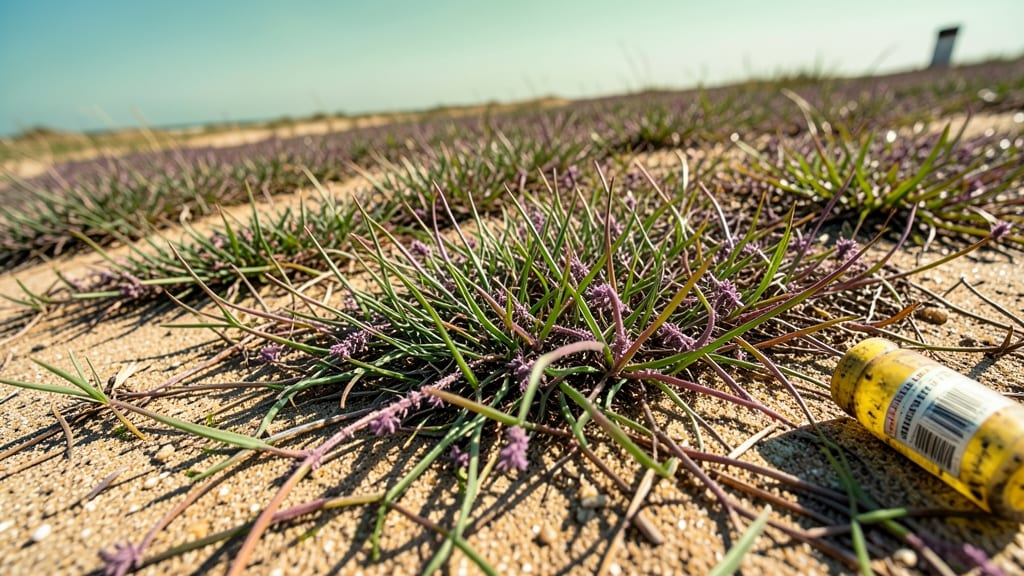
If you’ve ever battled a crabgrass takeover in your Virginia lawn, you know how quickly this summer weed can turn a lush yard into a patchy mess—especially in sandy coastal soils that drain too fast. The secret to stopping it before it starts? March is your critical window for pre-emergent herbicide applications.
Crabgrass seeds lie dormant in the soil until temperatures rise, so applying a pre-emergent granular herbicide like prodiamine or pendimethalin in early March creates a protective barrier. For coastal Virginia’s sandy soils, water lightly after application to help granules settle into the top inch of soil where seeds germinate. Reapply after heavy rains or if you overseed later in spring.
This proactive step saves homeowners hours of hand-pulling later in the season. It’s especially vital for those with newly seeded lawns or areas prone to erosion, where crabgrass thrives. 💪
Nutsedge Identification and Organic Removal Methods
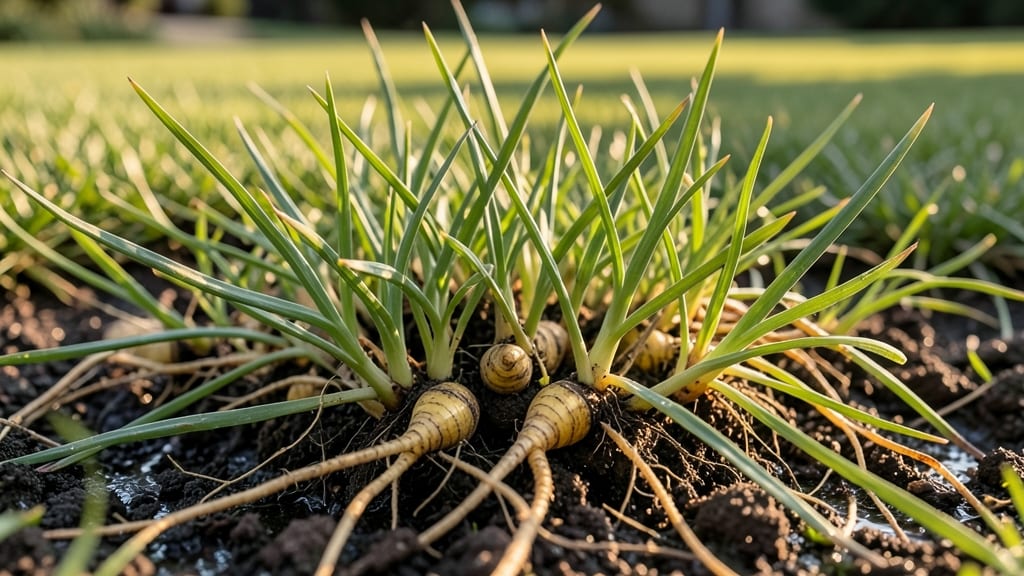
If you’ve ever mistook a clump of nutsedge for grass, you’re not alone—this persistent weed thrives in Virginia’s warm, moist climate and spreads from underground tubers, not seeds. Unlike crabgrass, it won’t disappear with a simple herbicide; it demands a targeted approach to keep it from taking over your lawn.
First, identify nutsedge by its triangular, yellow-green leaves that grow in tight clumps, often near sidewalks or garden beds. For organic removal, apply corn gluten meal in early spring to prevent new tubers from forming, or manually dig out the tubers using a specialized tool like a dandelion digger—just be sure to remove every piece to avoid regrowth. Mulching with thick layers of straw or wood chips can also suppress future sprouts.
This method is ideal for organic gardeners and those with pet-friendly lawns, as it avoids harsh chemicals while still delivering long-term control. With patience and persistence, you can reclaim your yard from this sneaky invader. 🌱
Dandelion Control Using Natural Herbicides
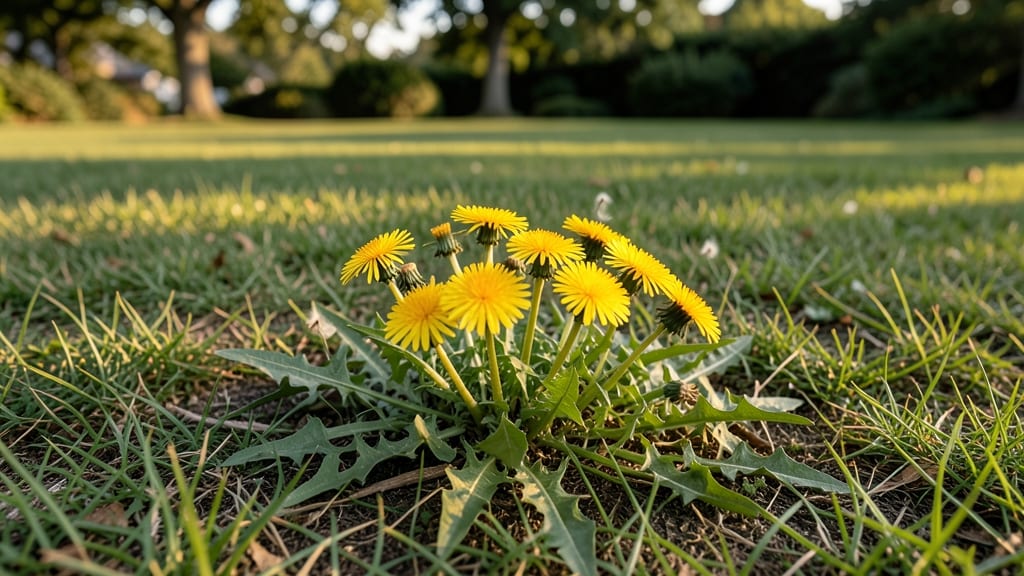
That bright yellow dandelion popping up in your Virginia lawn isn’t just a nuisance—it’s a tenacious survivor that spreads quickly through windborne seeds. While it’s the state’s most iconic weed, you can reclaim your yard with simple, eco-friendly solutions that avoid harsh chemicals.
For small patches, a vinegar-based herbicide (30% acetic acid or higher) works best when applied directly to the leaves on a sunny, dry day. Reapply every 7-10 days during the growing season, as dandelions regenerate from deep roots. Add a drop of dish soap to help the solution stick, and avoid spraying when temperatures exceed 90°F to prevent burning your grass.
This method is perfect for urban gardeners or those with kids/pets, as it’s non-toxic once dry. Just be patient—consistency is key to starving out those stubborn taproots for good. 🌱
Clovers and Their Role in Soil Health
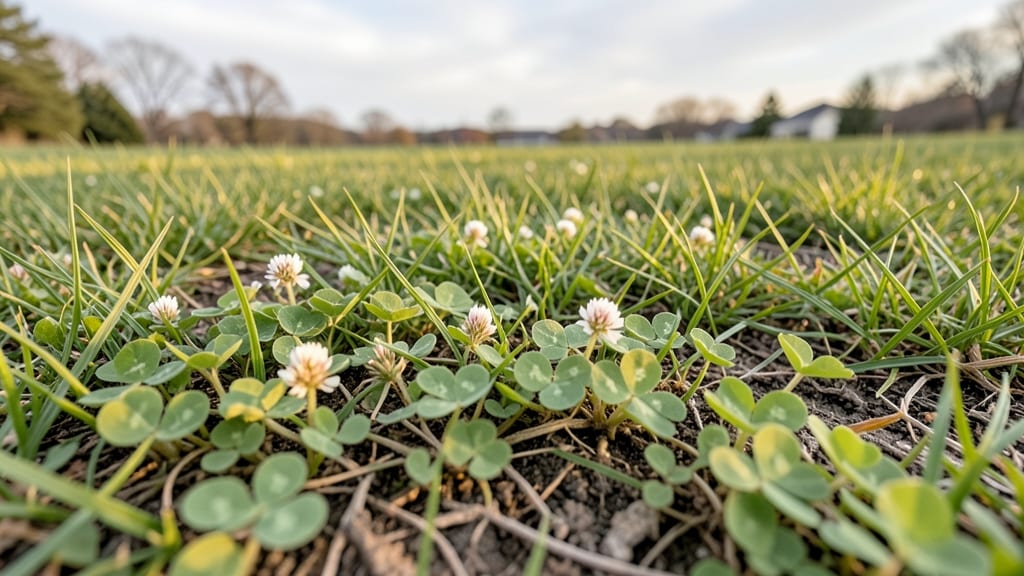
Seeing patches of clover in your Virginia lawn might feel like a weed problem, but it could actually be a hidden benefit for your soil. Unlike invasive weeds, clovers like white clover fix nitrogen in the soil, reducing the need for synthetic fertilizers and supporting healthier grass growth over time.
To manage clovers selectively, use selective herbicides designed for broadleaf weeds while preserving beneficial types. For pollinator-friendly lawns, consider leaving small patches of white clover—its flowers attract bees and other beneficial insects. Mow higher (3-4 inches) to shade out unwanted weeds while allowing clover to thrive in the sun.
This approach works best for homeowners who prioritize long-term soil health over a perfectly weed-free lawn. 🌿
Chickweed Management in Cool Season Lawns
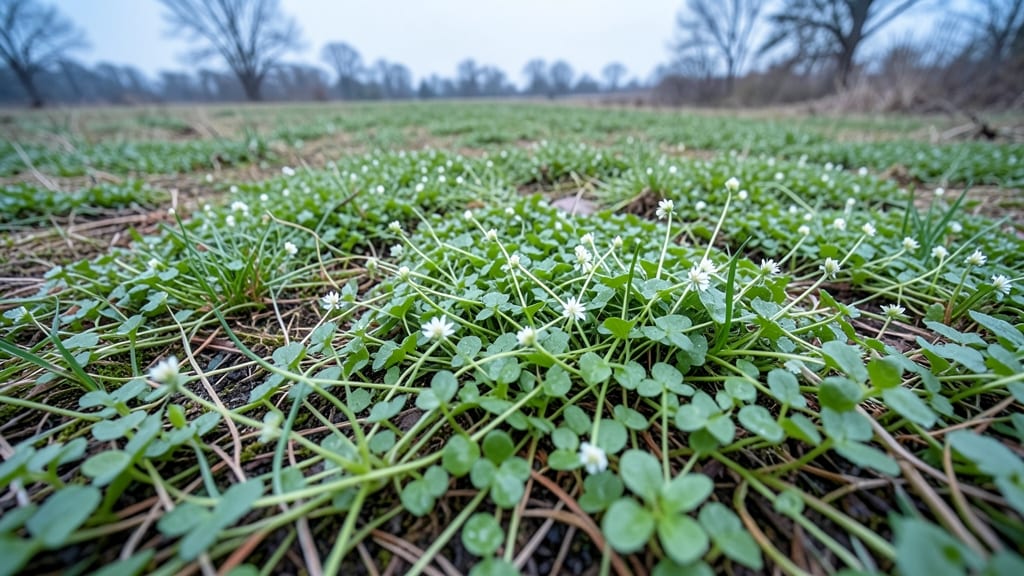
When your Virginia lawn looks like a chickweed buffet during winter, don’t panic—this soft-stemmed weed thrives in the state’s mild winters but can be outsmarted with the right approach. Unlike summer weeds, chickweed spreads quickly in cool, damp conditions, often crowding out your cool-season grasses like fescue.
Start with hand-pulling in late winter or early spring before chickweed sets seed. For stubborn patches, use a spot treatment of vinegar or corn gluten meal—just avoid broad herbicides that might harm your lawn. The real game-changer? Overseeding with tall fescue or perennial ryegrass in late summer or fall to thicken your lawn naturally, starving chickweed of sunlight and space.
This method works best for homeowners with established cool-season lawns who want long-term control without harsh chemicals. With consistent care, you’ll reclaim your yard before chickweed even blooms. 🌱
Henbit and Purple Dead Nettle Control
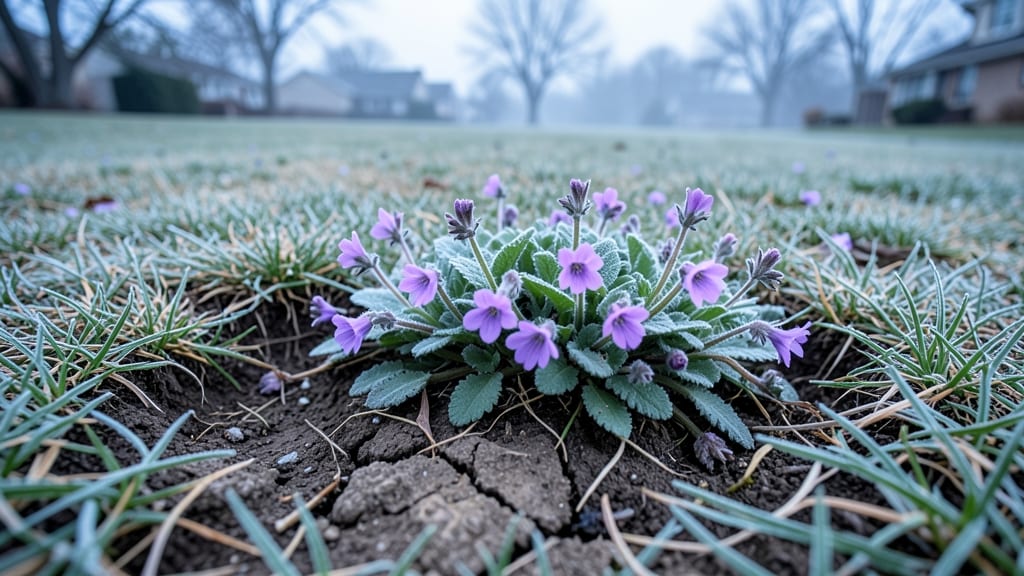
When your Virginia lawn starts sprouting purple flowers in winter, you’re likely dealing with henbit or purple dead nettle—two of the most persistent winter weeds in the state. These weeds thrive in cool weather and can quickly take over thin or bare patches of grass, leaving your yard looking patchy and unkempt.
To prevent these weeds from establishing, apply a pre-emergent herbicide like prodiamine or pendimethalin in late summer (August-September), before the weeds germinate. For small infestations, manual removal with a weeding tool or hand-pulling works well, especially if you catch them early. Avoid tilling, as it can spread seeds deeper into the soil and encourage regrowth.
This approach is ideal for homeowners who want to maintain a clean, weed-free lawn without relying on harsh chemicals year-round. With the right timing and method, you can keep these winter intruders at bay. ✨
Broadleaf Weed Prevention Calendar for Summer
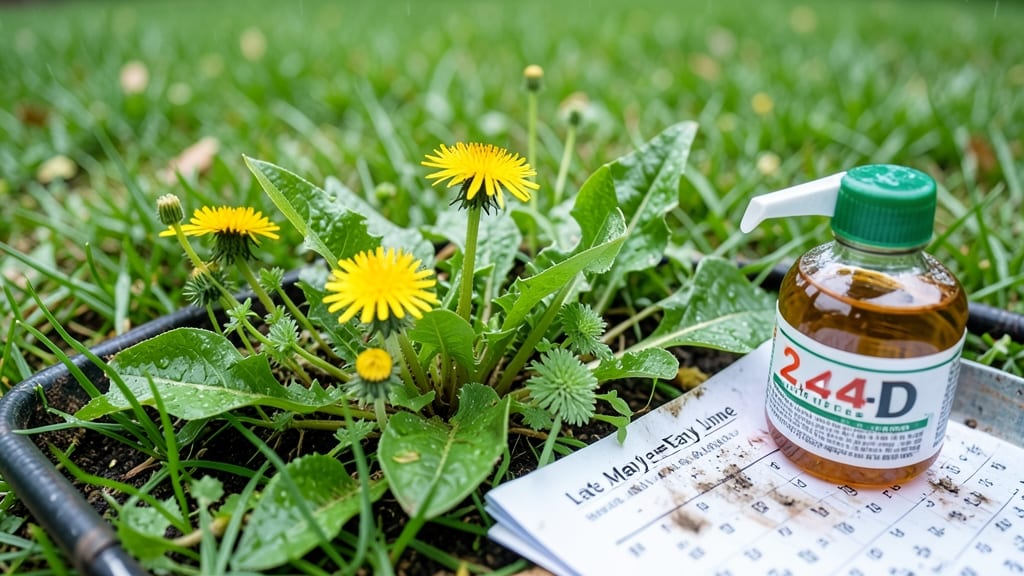
Virginia’s summer showers don’t just water your lawn—they trigger a broadleaf weed explosion, with plantain, chickweed, and dandelions popping up within days. The key to stopping them? Late May to early June is your prime window to apply 2,4-D-based herbicides, when weeds are young and actively growing.
After a rain shower, broadleaf weeds like dandelions and clover germinate fastest, making this the perfect time to treat them before they establish deep roots. For best results, apply herbicide on a dry, calm morning—this ensures even coverage and minimizes drift. Follow up with a spot treatment for any survivors in 2-3 weeks, as repeated applications are often needed for stubborn weeds.
This strategy works best for homeowners with established lawns, as it prevents weeds from stealing nutrients and water from your grass. Timing is everything—miss this window, and you’ll be fighting weeds all summer. ✨
Grass Weed Identification Guide for Virginia Lawns
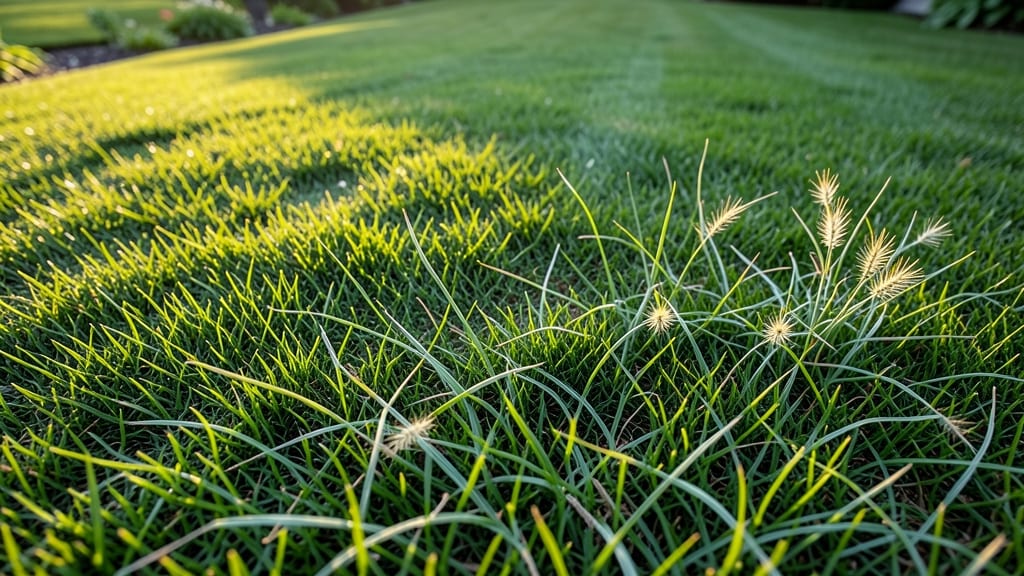
If your Virginia lawn looks healthy but still feels "off," you might be dealing with grass weeds that mimic your turf—like annual bluegrass or goosegrass. These sneaky invaders thrive alongside your grass, making them harder to spot and treat than broadleaf weeds. The key to eradicating them? Knowing which type you’re dealing with and when to act.
Start by examining leaf structure: annual bluegrass has boat-shaped leaves with a white membrane along the edges, while goosegrass features flat, V-shaped leaves with a distinctive white stripe down the center. Cool-season grasses like tall fescue or ryegrass often host annual bluegrass, while warm-season grasses like Bermuda grass attract goosegrass. Apply grassy weed herbicides like fluazifop or sethoxydim in late spring or early summer when weeds are actively growing, but avoid treating when temperatures exceed 90°F to prevent grass damage.
This distinction matters most for homeowners with newly seeded lawns or those transitioning between cool- and warm-season grasses. A misapplied herbicide could harm your lawn while leaving weeds untouched. 🌱
Fall Weed Control Using Corn Gluten Meal
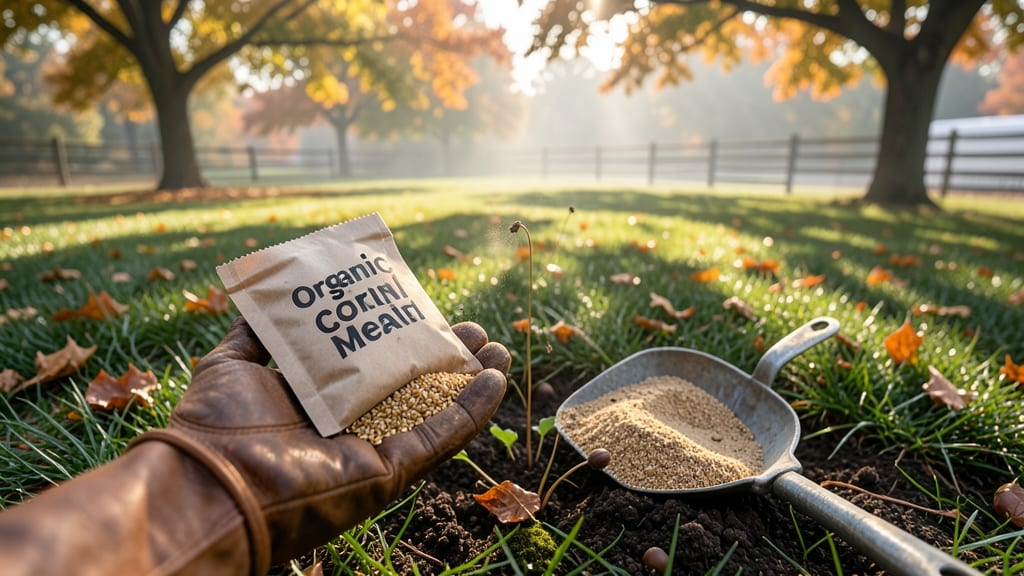
Fall in Virginia signals more than just changing leaves—it’s the perfect time to stop weeds before they even sprout. Unlike harsh chemicals, corn gluten meal acts as a natural pre-emergent herbicide, blocking weed seeds from germinating while nourishing your lawn with organic nitrogen.
Apply 20 pounds per 1,000 square feet in September or October, when soil temperatures drop below 65°F but before heavy rains. Lightly water the area after application to help the granules settle into the soil. This method works especially well for newly seeded lawns or areas where weeds like chickweed and henbit tend to take over in spring.
Perfect for organic gardeners and those with pet-friendly yards, corn gluten meal offers a chemical-free way to maintain a weed-free lawn without harming beneficial insects or soil health. 🌱
Moss Elimination in Shady Virginia Lawns

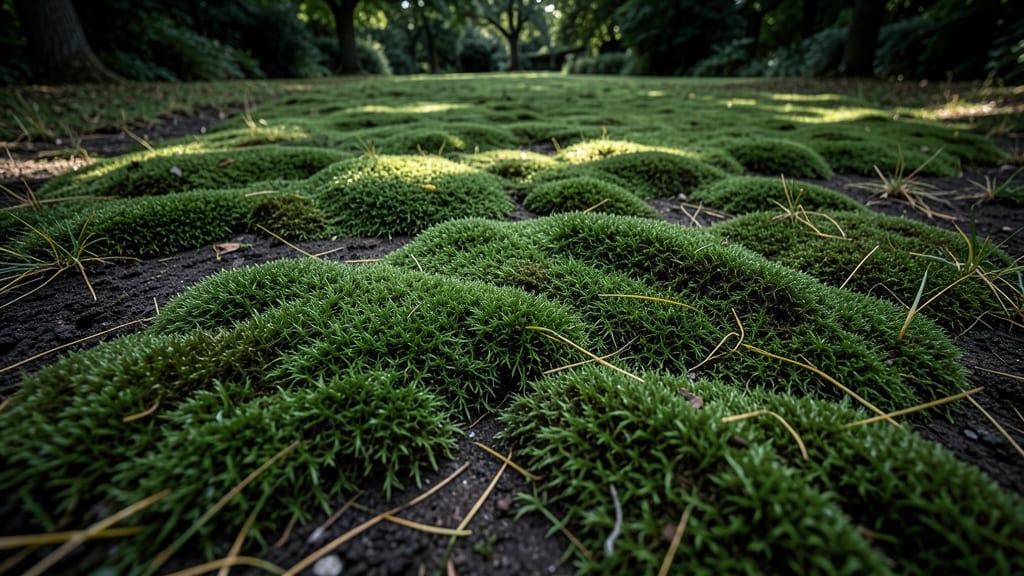
If your Virginia lawn looks like a mossy carpet rather than a grassy paradise, you’re not alone—shady, compacted, or acidic soils create the perfect conditions for moss to thrive. Unlike weeds, moss isn’t invasive, but it crowds out grass and creates a slippery, unsightly mess that’s hard to eliminate with standard herbicides.
The key to moss elimination starts with addressing the root cause: poor drainage and low sunlight. Aerate your lawn in early fall to break up compacted soil, then top-dress with a 1/4-inch layer of sand or compost to improve drainage. For shade-loving lawns, overseed with fine fescue, a cool-season grass that tolerates low light and outcompetes moss over time. Apply a lime treatment if your soil is acidic (test with a soil pH kit first).
This two-step approach works best for homeowners with dense shade or clay-heavy soils—common in Virginia’s Piedmont and Blue Ridge regions. With patience and proper care, you’ll reclaim your lawn without harsh chemicals. ✨