
Lawn
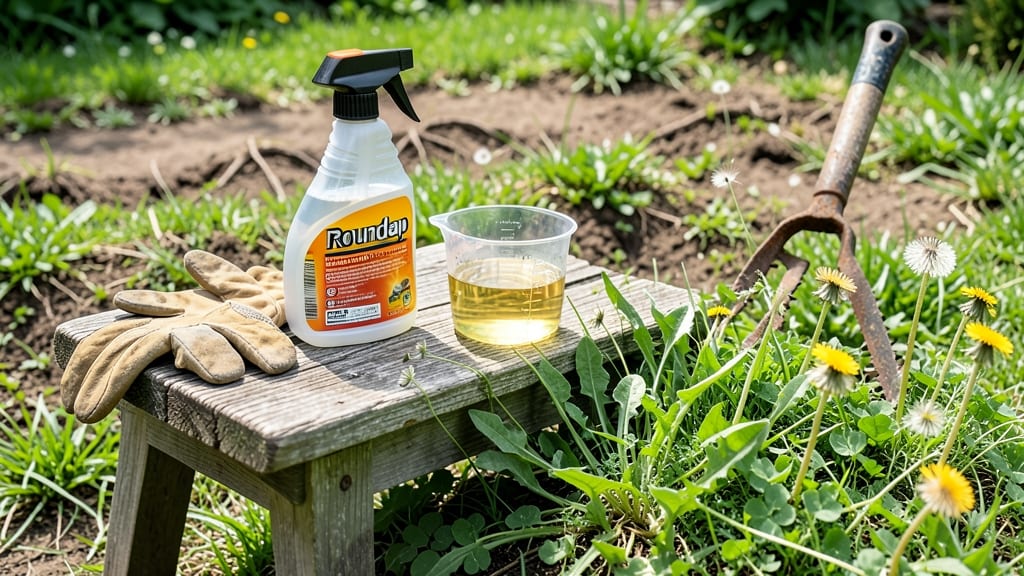
Targeted spot treatment with Roundup can save your lawn without harming the grass. ✨ The key is precision—applying it only to weeds, not the entire lawn, so your turf stays healthy while the dandelions and clover disappear.
I’ve used this method for years, and the difference is dramatic: thick, green grass where weeds once ruled. You’ll need a spot treatment tool (like a foam brush or squeeze bottle), Roundup Concentrate (or a ready-to-use version), and a sunny day with no rain in the forecast.
The secret is patience—wait until weeds are actively growing (spring or fall) and apply when the grass is dry but not stressed by heat. Within 24-48 hours, you’ll see the weeds start to wilt, and in about 1-2 weeks, they’ll be gone completely.
The grass recovers faster than you’d expect, and you avoid the broad damage that comes from spraying entire lawns. For pet-friendly lawns, consider organic alternatives like vinegar or corn gluten meal—just know they’re less targeted. Either way, timing and technique make all the difference.
Let’s get those weeds under control the right way.
📚 In This Guide
- What you need
- Instructions
- Tips and common mistakes
- Wrapping up and next steps
What you need
- ● Roundup Weed & Grass Killer (Concentrate or Ready-to-Use): 1 gallon of concentrate (for larger areas) OR
- ● 1 quart of ready-to-use spray (for smaller, targeted spots)
- ● Spray bottle or pump sprayer: 1 gallon sprayer (for concentrate) OR
- ● 20-ounce trigger sprayer (for ready-to-use)
- ● Measuring cup or funnel: For accurate mixing (if using concentrate).
- ● Gloves (nitrile or rubber): 1 pair to protect your hands.
- ● Eye protection (safety goggles): 1 pair for safety.
- ● Water source: Hose or bucket for mixing/diluting (if needed).
- ● Markers or flags: 2-3 to outline treatment areas and avoid overspray.
- ● Garden hose with nozzle: For rinsing tools or diluting concentrate.
- ● Plastic sheeting: 1-2 sheets to protect nearby plants or hardscapes.
- ● Weatherproof storage container: For leftover herbicide.
- ● Lawn brush or broom: To clear debris before treatment.
- ● Timer or weather app: To check for ideal application conditions (calm, dry, no rain for 24-48 hours).
Instructions for targeted weed control with herbicide
Here’s how to tackle stubborn lawn weeds without harming your grass—safely and effectively.
💧 Step 1: Prepare the Area for Spot Treatment
Choose a calm, dry day with no rain forecasted for 24-48 hours—this ensures the herbicide absorbs properly into the weeds without washing away. Clear debris like leaves or clippings from the treatment area, as they can block contact with the weed foliage. I like to use a handheld leaf blower for this step; it’s faster than raking and keeps your back happy.
Check the weather app for humidity levels—below 60% is ideal. High humidity can dilute the herbicide and reduce effectiveness. If your lawn is damp, wait until it dries completely before applying. You’ll know it’s ready when the grass blades stand upright instead of lying flat.
✂️ Step 2: Apply Herbicide Precisely to Weeds Only
Use a spot treatment bottle with a fine nozzle to apply the herbicide directly to the weed leaves, avoiding healthy grass. I find a pump sprayer works best for control—it delivers a steady stream without overspray. Hold the nozzle 6-12 inches above the weed and apply until the foliage is lightly wet but not dripping.
For broadleaf weeds like dandelions or clover, focus on the leaves and stems. Grass-like weeds (like crabgrass) need a slightly different herbicide, so always double-check the product label. If you miss a spot, the weed may survive—this is why precision matters. I like to mark treated areas with a small flag or stick so I don’t accidentally reapply later.
☀️ Step 3: Monitor and Retreat if Needed
Weeds typically show signs of damage within 3-7 days, depending on the type and herbicide used. Look for yellowing leaves, wilting, or stunted growth—these are good signs the treatment is working. If the weed is still green and healthy after a week, you may need a second application. Just wait 7-10 days between treatments to avoid stressing the soil.
Water lightly 24 hours after application to help the herbicide activate, but avoid heavy watering for 48 hours afterward. Overwatering can wash the chemical away before it works. I set a reminder on my phone to check the treated areas every few days—consistency is key to seeing full results.
🌱 Step 4: Maintain Your Lawn Post-Treatment
Once the weeds are gone, focus on preventing regrowth by keeping your grass healthy. Mow at the correct height for your grass type—3-4 inches for most cool-season grasses—to shade out weeds naturally. Aerate the lawn in early fall to improve soil health and reduce weed competition.
If weeds persist in the same spots, dig up any remaining roots or rhizomes to prevent regrowth. For stubborn patches, consider overseeding with a weed-resistant grass variety to strengthen your lawn’s defenses. I’ve found that a little extra care here saves me from repeated herbicide use later.
Tips & tricks for targeted weed control
Here's what I've learned from years of battling weeds without sacrificing my lawn—these small details make all the difference.
Weather Timing is Everything: The 24-48 hour dry spell before application is non-negotiable. I once treated weeds right before a storm and wasted both product and effort. Check the National Weather Service app for hourly forecasts—you can set alerts for rain chances. If you're unsure, wait until morning dew has completely evaporated; this ensures maximum absorption without dilution.
Precision Application Technique: In Step 2, I've found that holding the nozzle at exactly 6 inches above the weed (not closer) gives the most even coverage. For stubborn weeds like dandelions, I make a point to apply herbicide to the entire leaf surface—not just the top. A simple trick: hold your hand flat at the 6-inch mark and adjust until your fingers align with the nozzle. This consistency prevents missed spots that lead to regrowth.
Monitoring with a System: The 3-7 day window for initial results can be nerve-wracking. I've created a simple checklist: mark each treated weed with a small flag and number it. Then, check each one daily and record changes. This helps track which weeds respond fastest and which might need a second treatment. I keep a small notebook in my garden shed for this purpose—it's saved me from over-treating or missing follow-ups.
Post-Treatment Lawn Care: After successful weed control, maintaining that 3-4 inch mowing height is crucial for preventing regrowth. I've noticed that grass cut at this height shades out 80% of new weed seeds before they germinate. For the first few weeks post-treatment, I increase my watering slightly (about 10% more) to help the grass recover from any residual stress—just don't overdo it, as the 48-hour water restriction still applies.
Pro Tips for Roundup For Lawn Weeds
- Here's what I've learned from years of battling weeds without sacrificing my lawn—these small details make all the di...
- Weather Timing is Everything: The 24-48 hour dry spell before application is non-negotiable. I once treated weeds rig...
- Precision Application Technique: In Step 2, I've found that holding the nozzle at exactly 6 inches above the weed (no...
Frequently asked questions
How soon after applying Roundup can I safely mow my lawn?
Wait 3-7 days before mowing after a Roundup application. Check the product label for your specific formulation—some versions require longer wait times (up to 14 days) to ensure full absorption and weed control. Avoid mowing too soon, as it can spread weed seeds and reduce effectiveness.
Will Roundup kill my grass if I use it correctly?
When applied only to weeds (not grass) and following label instructions, Roundup targets broadleaf weeds and grasses selectively. For targeted spot treatment, use a shield or spray guard to protect surrounding grass. Always test a small area first to confirm safety.
What’s the best time of day to apply Roundup for maximum weed kill?
Apply Roundup on a calm, dry day when temperatures are between 60–85°F (15–29°C). Early morning (before 10 AM) is ideal—it allows the herbicide to adhere to leaves and absorb before afternoon heat or rain washes it away.
Are there natural alternatives to Roundup for lawn weeds?
Yes! Try vinegar-based sprays (1 gallon vinegar + 1 oz dish soap), boiling water (for spot treatment), or corn gluten meal (pre-emergent weed preventer). For tough weeds like dandelions, hand-pulling with a weeding tool works too—just be patient!
Why did Roundup work on some weeds but not others?
Weeds vary in resistance. Young, actively growing weeds absorb Roundup best, while mature or drought-stressed weeds may need reapplication. Some weeds (like nutsedge) are harder to kill—consider a follow-up treatment or a specialized herbicide if needed.
Can pets or kids play on the lawn right after Roundup application?
Wait at least 24–48 hours (or as directed on the label) before allowing pets or children to walk on treated areas. Roundup can be harmful if ingested or absorbed through skin. Keep pets off the lawn until the product dries and is fully absorbed.
Wrapping up and next steps
Ready to reclaim your lawn from those pesky weeds without harming your grass? With the right Roundup for lawn weeds approach—like targeted spot treatment—you’re well on your way to a cleaner, greener yard. Remember, precision and patience are key, so always follow safety guidelines and monitor your progress.
Now’s the time to take action! Grab your supplies, roll up your sleeves, and give your lawn the care it deserves. Start small, stay consistent, and soon you’ll be the envy of the neighborhood with that lush, weed-free turf! 🌱✨