
Lawn
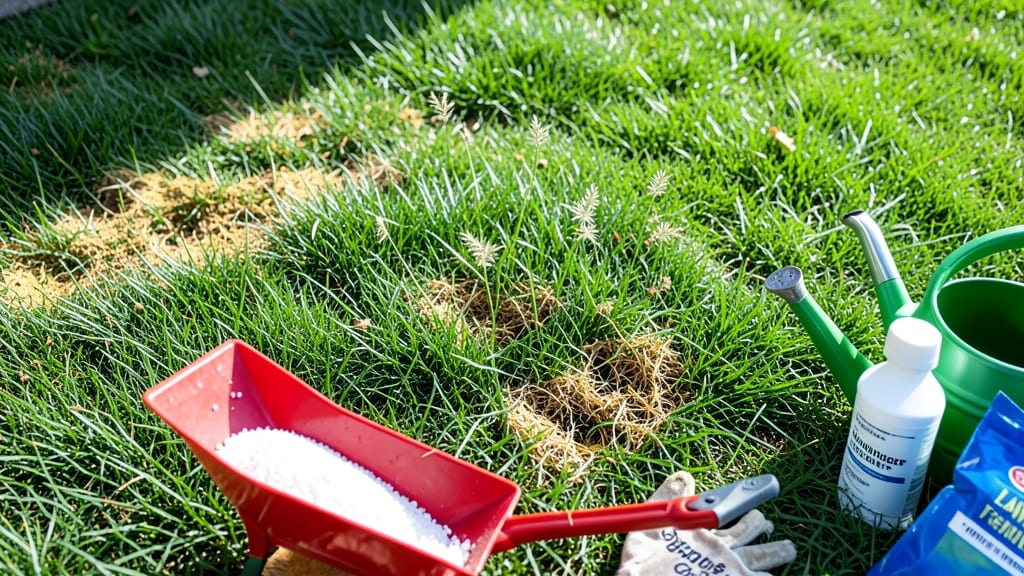
How to stop dog urine killing your lawn—those yellow patches appear faster than you can say "potty break." 🌱 The ammonia in fresh urine burns grass roots, leaving behind dead spots that no amount of watering can fix—but there's a simple spray that revives even the most damaged areas. The problem starts with nitrogen overload: concentrated urine creates a chemical burn that kills grass blades within hours. Over time, the soil becomes too acidic, making it harder for roots to absorb nutrients. That's why my vinegar-water spray works—it neutralizes the pH and gives roots a second chance. You'll see new growth within 1-2 weeks of treatment, with grass turning green again and staying that way. The spray is cheap, organic, and works even on stubborn brown patches that won't respond to regular watering. For best results, combine this with diluted urine training and overseeding bare spots—together, they turn your lawn from patchy to picture-perfect. Let's fix this once and for all.
Why it happens
Dog urine may seem like just another part of yard maintenance, but it’s actually a chemical time bomb for your lawn. 💥 The damage isn’t just from the liquid itself—it’s a perfect storm of science, biology, and plant physiology that turns your green carpet into a patchwork of brown.
Let’s break down the real reasons why your grass is suffering.
🧪 Concentrated Ammonia Burns Roots
When dogs pee, they release ammonia (NH₃) and urea (CO(NH₂)₂), both of which are high in nitrogen—a nutrient plants usually need. But here’s the catch: dog urine is extremely concentrated in these compounds, especially right after urination.
The ammonia in fresh urine has a pH of 6.5–8.5 (mildly alkaline), which can scorch grass blades and roots on contact.
- Immediate damage: The high ammonia levels act like a chemical burn, breaking down cell membranes in grass blades, causing them to turn yellow or brown within hours.
- Root suffocation: Ammonia also disrupts the soil microbiome, killing beneficial bacteria and fungi that help roots absorb water and nutrients. Without these helpers, roots strangle—literally.
- Salt buildup: As ammonia breaks down into nitrates, it leaves behind sodium and chloride ions, which desiccate soil and grass, making it harder for roots to retain moisture.
Pro tip: 💡 The first 24–48 hours after urination are the most critical. If you don’t dilute or neutralize the ammonia quickly, the damage becomes permanent.
🌱 Nitrogen Overload Chokes Grass
Grass loves nitrogen, but too much too fast is like giving a human a double espresso at midnight—it gets an energy crash. Dog urine delivers a nitrogen spike of 1–2% by volume, far exceeding what grass can safely process. Here’s what happens:
- Toxic buildup: Excess nitrogen disrupts the grass’s photosynthesis, causing it to overproduce proteins it can’t use. This leads to leaf scorch and stunted growth.
- Weakened defenses: Nitrogen-heavy soil attracts fungal infections (like brown patch or dollar spot) because the grass becomes stressed and vulnerable.
- Uneven growth: The grass near urine spots grows faster but weaker, creating a thin, patchy look that’s prone to matting and disease.
Fun fact: 🌡️ A single dog’s urine can deliver up to 10x more nitrogen than a typical lawn fertilizer—yet it’s not balanced with phosphorus or potassium, which grass also needs.
🦠 Soil Microbiome Collapse
Healthy soil is a tiny ecosystem of bacteria, fungi, and protozoa that work together to break down waste and feed grass roots. Dog urine disrupts this balance in two ways:
- Antibacterial effect: Urine contains uric acid and enzymes that kill off beneficial microbes, leaving roots starving for nutrients.
- Anaerobic zones: When urine pools in the soil, it creates low-oxygen pockets where harmful bacteria (like Clostridium) thrive, producing toxic byproducts that further damage roots.
Think of it like a gut bacteria imbalance—your grass can’t digest food properly, so it malnourishes and dies.
💦 Water Stress from Salt and pH Shifts
Even after the ammonia fades, dog urine leaves behind residual salts and altered pH levels, which create a physically hostile environment for grass:
- Osmotic shock: High salt concentrations draw moisture out of grass roots, causing them to wilt and crisp—even if the soil looks damp.
- pH swings: Fresh urine is alkaline, but as it breaks down, it can drop the soil pH to acidic levels (below 6.0), which locks out essential nutrients like iron and manganese.
- Hardpan formation: Over time, salt buildup creates a crusty layer beneath the surface, blocking water and oxygen from reaching roots.
Warning sign: 🎯 If your lawn has crunchy, dry patches that stay brown even after watering, it’s likely a salt or pH problem from old urine damage.
Fixing Dog Urine Damage Fast
Now that you understand why dog urine harms your lawn, let’s tackle the how—with practical, step-by-step fixes tailored to each cause. Whether your grass is yellowing, burning, or just struggling, these solutions will help revive your lawn while keeping your pup happy (and your yard thriving).
Problem: Excess nitrogen or acidic urine weakens grass roots, making them vulnerable to damage.
Solution:
- Flush the Area 💦
- Immediately after your dog urinates, soak the spot with water (a garden hose on low setting works). This dilutes the urine and washes away harmful compounds before they seep into the soil.
- Pro Tip: Use a rainwater collection barrel to avoid chlorinated tap water, which can further stress grass.
- Neutralize the Soil 🌱
- Sprinkle garden lime (calcium carbonate) over the affected patch and lightly rake it in. This balances pH levels and reduces acidity.
- Alternative: Mix 1 part baking soda with 3 parts water in a spray bottle and apply lightly to high-traffic urine zones.
- Rebuild Soil Health 🌿
- Apply a slow-release, organic fertilizer (like compost or a low-nitrogen blend) to the damaged area. Avoid high-nitrogen fertilizers—they’ll just feed the problem.
- Bonus: Top with a thin layer of mulch or peat moss to retain moisture and protect roots.
Problem: Concentrated urine acts like a chemical burn, killing grass on contact.
Solution:
- Train Your Dog to Pee on Gravel or Mulch 🐕💨
- Designate a small gravel, mulch, or wood chip area near your lawn where your dog can relieve themselves. Dogs naturally avoid peeing in rough textures, so they’ll learn to use this spot over time.
- Pro Tip: Place the area downhill from your lawn so runoff doesn’t seep into grass.
- Use a Vinegar-Water Spray 🍶🌿 (The Hero of This Article!) - Mix 1 part white vinegar with 2 parts water in a spray bottle. Lightly mist the urine spot immediately after your dog goes.
Vinegar neutralizes ammonia and bacteria while being safe for grass (once diluted). - How to Apply: Spray until the area is damp, not soaked. Repeat 2–3 times weekly for 2 weeks to see improvement.
- Try a Commercial Urine Neutralizer 🛒
- Products like Nature’s Miracle Lawn Restore or Simple Solution Stain & Odor Remover break down uric acid safely. Follow package instructions for best results.
Problem: Yellow or brown patches mean the grass is already damaged—time for a rescue plan!
Solution:
- Rake Out Dead Grass 🌱🔄
- Use a garden rake to gently loosen the soil and remove dead grass. This helps new grass seeds or sod take root faster.
- Plant Dog-Friendly Grass Seed 🌾
- Choose drought-resistant, urine-tolerant grasses like:
- Buffalo grass (deep roots, handles urine well)
- Fescue (soft, recovers quickly)
- Zoysia (dense, crowds out weeds)
- Sprinkle seeds over the area, cover lightly with soil, and water gently.
- Choose drought-resistant, urine-tolerant grasses like:
- Lay Sod for Instant Cover 🏡
- If you’re impatient (or the patch is large), lay pre-cut sod over the damaged area. Water it daily for the first 2 weeks to help roots establish.
Problem: Avoiding damage in the first place saves time and money!
Solution:
- Increase Watering 💧: Keep your lawn well-hydrated—healthy grass recovers faster from urine.
- Train Your Dog 🐶🎾: Teach them to pee on alternative surfaces (like a patch of clover or a designated gravel spot).
- Mulch High-Traffic Areas 🌿: Spread straw or wood chips in spots where your dog frequently urinates to absorb ammonia.
- Test Your Soil 📊: Use a DIY soil test kit to check pH and nutrient levels. Aim for a pH of 6.0–7.0 for optimal grass health.
Need a cheat sheet? Here’s what to do based on your lawn’s condition:
| Problem | Immediate Fix | Long-Term Solution |
|---|---|---|
| Fresh urine spots | Vinegar-water spray + flush | Train dog to use gravel/mulch |
| Yellow/brown patches | Rake + reseed with tough grass | Apply lime + organic fertilizer |
| Over-fertilized soil | Flush with water + lime | Switch to slow-release fertilizer |
| Acidic soil | Baking soda mix + mulch | Test pH and adjust annually |
Remember: Consistency is key! With these fixes, your lawn can bounce back—even after years of dog urine damage. 🌟 Start today, and watch your grass thrive!
Frequently asked questions
Why does dog urine turn grass brown so quickly?
The ammonia in fresh urine acts like a chemical burn, breaking down grass cell walls within hours. The high nitrogen concentration also disrupts soil microbes, preventing roots from absorbing water and nutrients. This creates those classic yellow/brown patches we all hate.
Can I use vinegar on my whole lawn?
No—vinegar should only be used as a spot treatment (1:2 vinegar-to-water ratio). While diluted vinegar is safe for grass, applying it broadly can lower soil pH too much, making your lawn more vulnerable to urine damage. Always test a small area first.
How long until my lawn recovers from urine damage?
With immediate treatment (vinegar spray + flushing), you'll see new growth in 1-2 weeks. For established brown patches, reseeding with tough grasses like fescue or buffalo grass takes 4-6 weeks for full recovery. Patience is key—don't overwater during this time!
What's the best way to train my dog to avoid peeing on the lawn?
Create a designated pee spot using gravel, mulch, or artificial turf near your yard's edge. Dogs naturally avoid rough textures, and consistent redirection (with treats for success) works best. For stubborn pups, consider a pet-safe urine neutralizer spray on high-risk areas as a temporary fix.
Will lime really help my lawn recover?
Garden lime (calcium carbonate) neutralizes urine's acidity and replenishes calcium, which dog urine leaches from soil. Sprinkle ½ cup per 10 sq ft over damaged areas, then lightly rake in. For prevention, apply annually in spring—it's one of the most effective organic solutions.