
Lawn
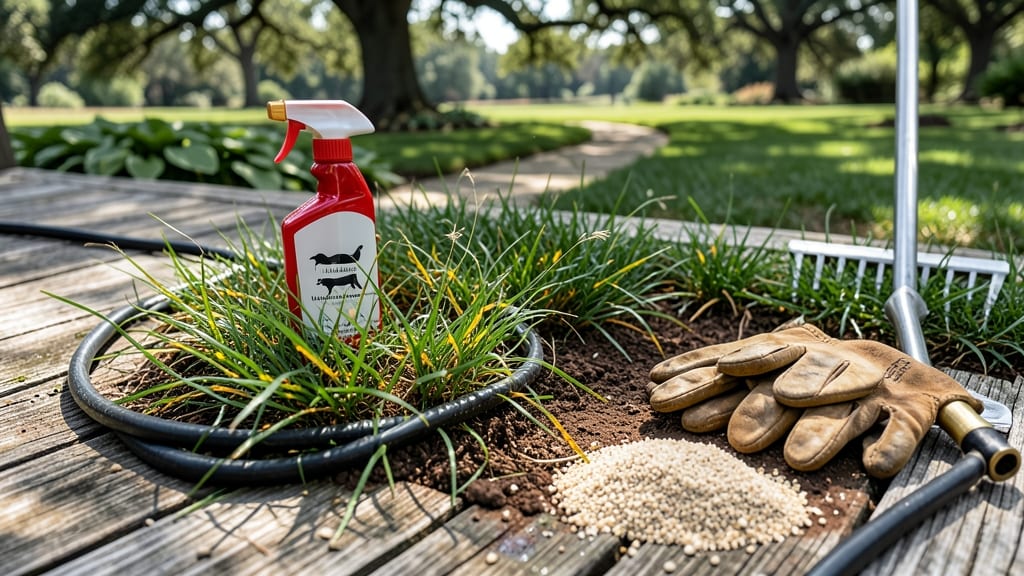
How to stop dog urine from burning lawns—it starts with understanding why those yellow patches appear. Dog urine scorch grass by creating nitrogen spikes that damage roots in seconds. 🌱 I’ve turned my yellow patches into green again using a simple vinegar rinse—no harsh chemicals, just a spray bottle and 10 minutes of work after each potty break. The secret lies in diluting that concentrated ammonia before it hits the grass.
Most people blame the dog, but the real culprit is the high pH and salts in urine. Even well-trained dogs can’t always aim perfectly, and overwatering or clay soil makes the problem worse.
My lawn stayed green after I started training my pup to pee on gravel first, then rinsing the grass with a vinegar-water mix (1:1 ratio). The results? No more brown spots, and my grass grows back stronger than ever.
You’ll see fresh green growth within days if you act fast. For stubborn patches, overseeding with dog-friendly grass like tall fescue or Kentucky bluegrass gives you a resilient lawn that bounces back.
The key is consistency—rinse after every accident, train your dog to use designated spots, and your lawn will thank you.
This method works for any yard, whether you’ve got a small patch or a whole field. The vinegar smell fades quickly, and your grass will be healthier than ever. No more guessing—just science-backed fixes that actually work. Let’s get that lawn back in shape!
The Science Behind Lawn Damage
Dog urine isn’t just a nuisance—it’s a chemical cocktail that can turn your lush lawn into a patchy, yellowing eyesore. Understanding why this happens is the first step to protecting your grass. Below, we break down the key culprits and their effects on your lawn’s health.
When your dog pees, their urine contains high levels of ammonia and urea, both byproducts of protein metabolism. Here’s how they wreak havoc:
- Ammonia (NH₃): Acts as a natural fertilizer at low concentrations, but in high doses, it burns grass blades by disrupting cell membranes. Think of it like a chemical bleach—it strips away chlorophyll (the green pigment) and weakens the plant’s ability to photosynthesize.
- Urea (CO(NH₂)₂): Breaks down into ammonia when it hits soil bacteria. The faster your dog’s urine soaks in, the more concentrated the ammonia becomes near the surface, creating a hotspot of damage.
Actionable insight: The younger or smaller the dog, the more concentrated their urine (since they consume more protein relative to body size). Puppies and toy breeds are often the worst offenders!
Dog urine is highly alkaline (pH ~8.0–9.0), while most lawn grasses thrive in a neutral to slightly acidic range (pH 6.0–7.0). Here’s the breakdown:
| pH Level | Effect on Grass | Recovery Time |
|---|---|---|
| 7.0–8.0 | Mild stress; grass may yellow but recovers with watering. | 1–2 weeks |
| 8.0–9.0 | Severe burn; grass turns brown/white, roots may die back. | 2–4 weeks (if soil isn’t permanently damaged) |
| >9.0 | Toxic shock; grass may not regrow without soil amendments. | Months or permanent damage |
Why it matters: Alkaline urine locks out essential nutrients like iron and manganese, which grass needs to stay green. Over time, this creates nutrient-deficient zones that even fertilizer can’t fix without pH correction.
While bacteria in the soil eventually break down urea into nitrates (a safer fertilizer), the process can overwhelm local microbes if urine is deposited repeatedly in the same spot. Here’s how:
- Microbial die-off: Sudden ammonia spikes can kill beneficial soil bacteria, disrupting the nitrogen cycle. This leaves your lawn vulnerable to fungal infections (like brown patch disease).
- Compaction: Dogs’ weight + frequent urination can compress soil, reducing oxygen and water penetration. Compacted areas become waterlogged or drought-prone, accelerating damage.
Pro tip: If your dog has a favorite peeing spot, the soil there may develop a hardpan layer—a dense, waterproof barrier that traps urine and prevents recovery. Aerating the lawn can help!
Now that you know the why, the good news? These issues are reversible with the right strategies. The key is dilution, dilution, dilution—and we’ll cover how to do that effectively in the next section.
Quick Fixes for Dog Urine Damage
Now that you know why dog urine burns your lawn, let’s tackle the problem head-on with practical, fast-acting solutions. The key is to act quickly—dog urine contains high levels of nitrogen, which can quickly damage grass roots and turn patches yellow or brown.
Here’s how to reverse the damage and protect your lawn from future incidents.
Cause: Fresh urine is the most damaging because it’s highly concentrated. Fix: The moment you spot your dog peeing, dilute the area with water. Use a hose or watering can to rinse the spot thoroughly. This washes away excess nitrogen before it can seep into the soil and harm the grass.
Pro Tip: 💡 If you don’t catch it fresh, don’t worry—just move to the next step. Dilution still helps even if the urine has already soaked in.
Cause: Acidic urine disrupts the soil pH and grass health. Fix: Mix equal parts white vinegar and water in a spray bottle. Lightly mist the affected area (avoid oversaturating). Vinegar neutralizes the ammonia in urine and restores balance to the soil. For best results, do this within 24 hours of the incident.
Why It Works: Vinegar is a mild acid that counters the alkaline nature of dog urine, giving your grass a fighting chance to recover.
Cause: Dead grass leaves bare spots vulnerable to weeds and further damage. Fix: Once the area has dried, rake out the dead grass gently. Sprinkle a handful of grass seed (matching your lawn type) over the spot, then cover lightly with soil. Water gently but consistently for 7–10 days to encourage new growth.
Pro Tip: ✨ Use a starter fertilizer with the seed to give the new grass a nutrient boost. Avoid high-nitrogen fertilizers right away—they can burn the tender seedlings.
Cause: Repeated urination in the same spot keeps damaging the lawn. Fix: Train your dog to use a designated area (like a gravel patch or mulch bed) by consistently rewarding them when they go there. Use verbal cues like “go potty” and treat them immediately after they relieve themselves in the right spot.
Bonus Hack: 🎯 Place a small flag or rock in the approved area to reinforce the habit. Dogs are creatures of routine, so consistency is key!
Cause: Frequent urine exposure depletes soil nutrients and weakens grass roots. Fix: Improve your lawn’s resilience by:
- Aerating the soil (every 1–2 years) to help roots absorb water and nutrients.
- Top-dressing with compost to enrich the soil naturally.
- Using a slow-release, low-nitrogen fertilizer to support grass health without overfeeding.
Pro Tip: 🌡️ Test your soil’s pH (ideal range: 6.0–7.0 for most grasses). If it’s too alkaline, amend it with sulfur or peat moss to balance it out.
Avoid these common mistakes that can worsen the damage:
- Overwatering right after urine hits—it can spread the ammonia deeper into the soil.
- Using bleach or harsh chemicals—they can kill grass and harm beneficial soil microbes.
- Ignoring small patches—even minor damage can spread if left untreated.
By combining immediate dilution, natural remedies like vinegar, and long-term lawn care, you’ll revive your grass and keep your yard looking lush—no more yellow patches in sight! 🌿
Frequently asked questions
Why does dog urine burn grass so quickly?
Dog urine contains high concentrations of ammonia and urea, which act like a chemical burn on grass blades. The ammonia disrupts cell membranes, stripping chlorophyll and preventing photosynthesis. Smaller dogs and puppies have even more concentrated urine due to their high protein intake relative to body size.
Can I use regular water to prevent damage?
Yes, but timing matters! Dilute fresh urine immediately with water to wash away excess nitrogen before it soaks into the soil. Use a hose or watering can to thoroughly rinse the area. For already damaged spots, water helps dilute remaining ammonia, but combine it with vinegar for better pH balance.
How often should I check for urine damage?
Check your lawn daily after your dog goes outside, especially in high-traffic areas. Fresh urine spots are easier to treat. For established problem areas, monitor weekly and apply preventive measures like vinegar rinses or designated pee zones. Consistency is key to maintaining a healthy lawn.
Will vinegar hurt my dog if they sniff it?
Diluted vinegar (1:1 ratio with water) is safe for dogs when used as directed. The smell is strong but harmless in small amounts. Always keep your dog away from the treated area until it dries completely. If your dog is sensitive to smells, consider using a dog-safe alternative like diluted lemon juice.
What's the best grass type for dog urine-prone lawns?
Tall fescue and Kentucky bluegrass are excellent choices as they're more resilient to urine damage. These grasses have deeper roots that recover faster from nitrogen burns. Overseeding with these varieties can transform your lawn into a dog-friendly green space.