
Lawn
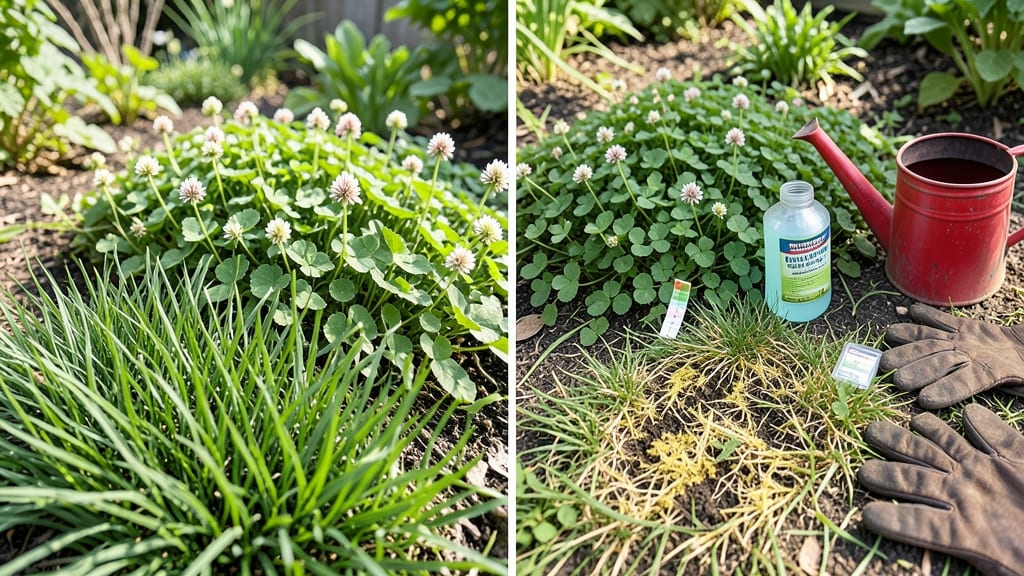
Dog urine lawn care starts with understanding that those yellow spots aren’t just unsightly—they’re a sign your grass is struggling. 🌱 I’ve turned my patchy lawn into a lush, dog-friendly green space by tackling the problem at its source, and it all begins with simple, fast fixes that work in minutes.
The science is straightforward: dog urine is high in nitrogen, which burns grass when concentrated. The good news? Diluting it with water immediately and training your pup to pee in specific spots cuts damage by half.
For existing dead patches, a quick overseeding session with a nitrogen-free starter fertilizer brings back vibrant growth within weeks.
You’ll see results fast—within days if you catch the damage early, or in a few weeks if you’ve got larger areas to repair.
The key is consistency: water thoroughly after your dog goes, use a dog-friendly lawn fertilizer, and consider artificial turf in high-traffic areas if your lawn just can’t recover.
This isn’t about sacrificing your lawn or your dog’s routine—it’s about smart adjustments that keep both happy. Whether you’ve got a small yard or a sprawling backyard, these methods adapt to any space. Let’s get that grass thriving again.
The Science Behind Urine Burns
Dog urine isn’t just a nuisance—it’s a chemical cocktail that can turn your lush green lawn into patchy, yellowed spots. Understanding why this happens is the first step to fixing it.
Below, we break down the key factors that turn your grass into a doggy crime scene, complete with actionable science to help you combat the damage.
When your dog pees, their urine is packed with ammonia (NH₃) and nitrogen (N)—byproducts of protein metabolism. While these nutrients are great for plants in moderation, concentrated doses create a chemical burn.
- How it works: Ammonia is highly alkaline (pH ~8.0–9.0), which disrupts the cell membranes of grass blades. This causes them to plasma-lyze (burst open), turning vibrant green grass into crispy, yellowed patches.
- Worst offenders: Small dogs (high urine concentration) and male dogs (longer urethras = more concentrated urine). Even a single pee in the same spot can overwhelm the grass.
- Actionable fix: Dilute the urine immediately with water (aim for a 1:1 ratio) or train your dog to pee in designated areas where grass is more resilient (like clover or deep-rooted turf).
Dog urine isn’t just alkaline—it’s a pH disruptor. Most lawn grasses thrive in a neutral to slightly acidic range (pH 6.0–7.0), but urine can spike the soil pH to 8.0 or higher, creating a hostile environment for roots.
| Grass Type | Ideal pH Range | Urine’s Impact |
|---|---|---|
| Kentucky Bluegrass | 6.0–7.5 | ❌ Highly sensitive; turns brown at pH >7.5 |
| Fescue | td>5.5–7.0⚠️ Moderately affected; may yellow if pH >7.2 | |
| Bermuda Grass | 6.0–7.0 | ✅ Most tolerant; recovers faster if soil is well-drained |
Why it matters: Alkaline soil locks out essential nutrients like iron (Fe) and manganese (Mn), leading to chlorosis (yellowing between leaf veins). Even if the grass recovers, the roots weaken, making it vulnerable to drought or disease.
Actionable fix:
- Test your soil’s pH with a DIY kit or send a sample to a local extension office.
- If pH is >7.0, amend with sulfur or peat moss to lower it gradually.
- Water deeply after your dog pees to flush out excess ammonia before it alters the soil.
Urine doesn’t just harm grass—it smothers roots by compacting soil and reducing oxygen flow. Here’s how:
- Physical compaction: Frequent peeing in the same spot compresses soil particles, crushing root hairs that absorb water and nutrients. Think of it like sitting on a sponge—after a while, it can’t hold anything anymore.
- Salt buildup: Urine contains sodium and potassium, which accumulate in the soil over time. These salts osmotically stress plants by drawing moisture out of roots, causing dehydration and browning.
- Waterlogging risk: Compacted soil repels water, creating pockets where urine sits instead of draining. This turns your lawn into a petri dish for fungal growth (like Fusarium), which further weakens grass.
Actionable fix:
- Aerate high-traffic areas twice a year using a core aerator (rent or buy one for ~$50). This creates holes for roots to breathe and water to penetrate.
- Add organic matter (compost or coconut coir) to improve soil structure and drainage.
- Train your dog to pee in sandy or gravelly areas (if possible) where urine drains faster.
Urine burns are worse in hot, sunny conditions because heat accelerates the chemical reactions that damage grass. Here’s the breakdown:
- Evaporation effect: In dry climates, urine evaporates quickly, leaving behind concentrated salts and ammonia crystals that scorch grass blades like a microscopic blowtorch.
- Photosynthesis shutdown: High temperatures + alkaline soil = grass can’t produce enough chlorophyll. Without it, leaves turn yellow or white (a condition called necrosis).
- Dormancy trigger: Stress from urine + heat can force grass into dormancy prematurely, making it skip its growth cycle entirely.
Actionable fix:
- Water immediately after your dog pees (aim for ½ inch of water to dilute the urine). Use a soaker hose for deep penetration.
- Mulch with straw or wood chips in high-urine zones to insulate roots and retain moisture.
- Choose drought-resistant grasses like Zoysia or Buffalo Grass if you live in a hot climate—they tolerate alkaline conditions better.
Pro Tip: 💡 If your lawn already has yellow spots, don’t over-fertilize—it’ll feed the problem. Instead, focus on neutralizing pH and revitalizing roots with a low-nitrogen, high-potassium fertilizer (like 5-10-10).
Fix Dog Urine Damage Fast
If your lawn is showing the telltale yellow patches from your pup’s frequent potty breaks, don’t worry—you can restore a lush green lawn with the right approach. The key is addressing the root cause (literally!) and taking action based on the severity of the damage.
Below, we break down solutions by the most common issues, from quick fixes to long-term prevention.
When dog urine concentrates in one spot, it can create a "burn" effect by over-saturating the soil with nitrogen and salts. If your lawn feels spongy or has bare patches, follow these steps:
🍳 Step 1: Flush the Affected Area
- Water thoroughly (not just a light sprinkle) to dilute the urine and wash away excess salts. Aim for 1–2 inches of water over the spot.
- Pro tip: 💡 Use a hose with a gentle spray nozzle to avoid eroding the soil.
👨🍳 Step 2: Apply a Soil Conditioner
- Mix 1 part compost or peat moss with 2 parts sand and spread a thin layer over the yellowed area.
- Alternative: Use a lawn fertilizer with iron (like a green-up formula) to boost chlorophyll production and mask the discoloration temporarily.
⏰ Step 3: Aerate for Long-Term Health
- Rent a core aerator or use a garden fork to poke holes 2–3 inches deep in the damaged spots. This helps roots breathe and absorb nutrients.
- Prevention tip: ✨ Aerate your entire lawn in spring or fall to prevent future compaction from dog traffic.
If the urine has killed grass in a small area, you’ll need to revive it with fresh seed and protect it from future damage.
🔪 Step 1: Remove Dead Grass
- Use a hand trowel or putty knife to scrape away dead grass and debris.
- Avoid scalping—only remove the top layer of dead material.
🌱 Step 2: Choose the Right Grass Seed
- Select a fast-growing, dog-friendly grass like:
- Tall fescue (drought-resistant)
- Perennial ryegrass (quick recovery)
- Buffalo grass (low-maintenance, urine-resistant)
- Pro tip: 🌡️ Plant in early spring or fall when temperatures are mild for best germination.
🛡️ Step 3: Shield New Growth
- Water lightly 2x daily for the first week to keep soil moist (but not soggy).
- Use a temporary barrier (like a dog training pad or gravel path) to redirect your dog until the new grass is established (about 3–4 weeks).
If your dog has a favorite potty spot, break the cycle with training and natural neutralizers.
📊 Step 1: Train Your Dog to Pee Elsewhere
- Reward potty breaks in new areas with treats and praise.
- Use a cue word like "Go potty!" to redirect them to less damaging spots.
- Pro tip: 🎯 Place a dog urine-neutralizing spray (like Nature’s Miracle) on old spots to discourage repeat visits.
🌿 Step 2: Apply a Natural Neutralizer
- Vinegar solution: Mix 1 part white vinegar + 1 part water in a spray bottle and apply to yellowed areas. (Test on a small patch first—vinegar can lower soil pH.)
- Baking soda paste: Make a paste with baking soda + water, spread over the spot, and rinse after 10 minutes.
- Commercial options: Products like Ironite or Liquid Iron can instantly green up dead patches.
✨ Step 3: Prevent Future Damage
- Rotate potty spots by training your dog to use different areas of the yard.
- Install artificial turf in high-traffic urine zones (it’s dog-friendly and easy to clean).
- Mulch with wood chips in problem areas—it absorbs urine and prevents soil damage.
Even with the right fixes, some habits can undo your progress. Steer clear of:
- Over-fertilizing—too much nitrogen can worsen yellowing.
- Skipping soil tests—if your lawn is already nutrient-deficient, urine damage will be worse.
- Ignoring dog training—without breaking the potty habit, spots will keep appearing.
- Using harsh chemicals—bleach or salt can kill grass and harm soil long-term.
With these targeted solutions, you can neutralize yellow spots in minutes and keep your lawn thriving—even with a curious canine companion. The key is acting fast, adjusting your dog’s habits, and giving your grass the right care to bounce back stronger.
Frequently asked questions
Why does my dog's urine turn my lawn yellow?
Dog urine contains high levels of ammonia and nitrogen, which create a chemical burn when concentrated. The alkaline pH (around 8.0-9.0) disrupts grass cell membranes, causing yellowing within hours. Small dogs and males produce more concentrated urine, making them worse offenders.
Can I use vinegar to fix dog urine spots?
Yes, but with caution! A 1:1 vinegar-water mix can help neutralize urine's alkalinity, but it may lower soil pH too much if overused. Test on a small area first and avoid using it more than once a month. For immediate results, try iron-based products like Ironite instead.
How long does it take for grass to recover from dog urine?
Mild damage may recover in 1-2 weeks with proper watering, while dead patches require 3-4 weeks for new seed to establish. For severe burns, consider overseeding with dog-friendly grasses like tall fescue or perennial ryegrass. Consistency is key—keep watering lightly until new growth appears.
Is artificial turf a good solution for dog urine?
Artificial turf is completely urine-resistant and easy to clean with water or mild soap. It's ideal for high-traffic areas where your dog frequently pees. Plus, it eliminates the need for mowing and watering. Just choose a product with a good drainage system to prevent odors.
What's the best way to train my dog to avoid damaging spots?
Start by rewarding your dog with treats when they pee in new areas. Use a cue word like "Go potty!" to redirect them. For stubborn dogs, place dog urine-neutralizing sprays on old spots to discourage repeat visits. Consistency and positive reinforcement work best—most dogs learn within 2-3 weeks.