
Fertilization
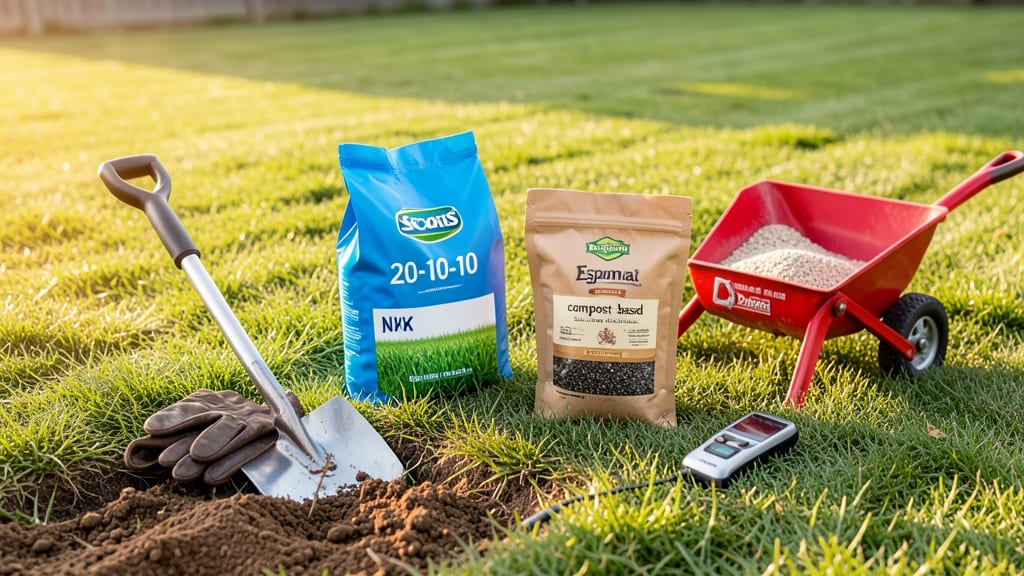
Understanding lawn food vs lawn fertilizer is the difference between a patchy lawn and a lush, vibrant carpet of grass. 🌱 I spent years confusing the two—until I realized one feeds your lawn immediately while the other builds long-term strength.
The right choice depends on what your grass actually needs right now. Lawn food typically blends fast-release nutrients (like nitrogen for quick greening) with organic matter (like compost or manure) to improve soil structure over time. It’s like giving your lawn a vitamin shot and a soil makeover in one.
You’ll notice faster color improvement, but the real magic happens months later when roots grow deeper. Lawn fertilizer, on the other hand, is all about targeted nutrient delivery—usually nitrogen, phosphorus, and potassium in precise ratios. It’s the heavy hitter for specific problems: yellowing grass?
More nitrogen. Weak roots? Phosphorus. The results show up in 2-4 weeks, but without the soil benefits of lawn food. For most homeowners, spring and fall are the best times to use lawn food (for soil health), while summer heat or nutrient deficiencies call for a quick fertilizer fix.
Test your soil first—it’s the only way to know which one your lawn is really hungry for.
The first product explained
🌱 Meet Product A: EcoGro Organic Lawn Revival—your secret weapon for transforming a lackluster lawn into a lush, vibrant green paradise! This premium organic lawn food is designed to nourish grass roots, boost soil health, and deliver long-lasting results without the harsh chemicals. Whether you're a homeowner, landscaper, or eco-conscious gardener, EcoGro is here to make your lawn the envy of the neighborhood. 🌿✨
Key Specs & Features
EcoGro Organic Lawn Revival isn’t just another fertilizer—it’s a nutrient-packed powerhouse with a carefully balanced blend of organic ingredients. Here’s what sets it apart:
- Organic Formula: Slow-release nutrients derived from fish emulsion, seaweed extract, and composted plant materials for sustainable growth.
- N-P-K Ratio: 5-3-2 (Nitrogen-Phosphorus-Potassium) with added micronutrients like iron, zinc, and manganese for holistic grass health.
- Soil Conditioner: Improves soil structure and moisture retention, reducing water waste by up to 30%.
- Pest & Disease Resistance: Natural ingredients help deter common lawn pests like grubs and fungus.
- Pet & Kid-Friendly: OMRI-listed and safe for organic gardening—no synthetic additives or harmful residues.
- Coverage: Covers up to 5,000 sq. ft. per 20 lb. bag, making it ideal for medium to large lawns.
Who Is This For?
EcoGro Organic Lawn Revival is perfect for:
- Homeowners looking for a chemical-free way to revive dull or patchy lawns.
- Landscapers & Groundskeepers who prioritize sustainable solutions for residential or commercial properties.
- Eco-Conscious Gardeners who want to reduce their carbon footprint while maintaining a healthy lawn.
- New Lawn Starters establishing grass seed—EcoGro provides the foundation for strong root development.
Price Point & Value
Investing in your lawn’s health has never been this rewarding! EcoGro Organic Lawn Revival offers exceptional value with a price tag that won’t break the bank:
- 20 lb. Bag: $49.99 (Covers 5,000 sq. ft.)
- Bulk Discount: Buy 3 bags for $135 (saves $15!).
- Subscription Option: Save 10% with a yearly auto-ship for consistent lawn care.
With its organic, long-lasting benefits and eco-friendly approach, EcoGro pays for itself in water savings, reduced reapplication needs, and the pride of a stunning green lawn all year round. 💚
The second product explained
Meet GreenThrive Organic Lawn Food—your go-to solution for a lush, vibrant lawn without the harsh chemicals! 🌱✨ If you're looking for a nutrient-rich, eco-friendly alternative to traditional fertilizers, this product is designed to feed your grass at a cellular level for deeper roots and greener blades. Let’s dive into what makes it stand out.
📋 Key Specs & Features
GreenThrive Organic Lawn Food is a slow-release, organic blend packed with natural ingredients that work in harmony with your soil. Here’s what’s inside:
- Primary Nutrients: 5-3-2 NPK ratio (Nitrogen, Phosphorus, Potassium) for balanced growth.
- Organic Matter: Composted plant materials, bone meal, and feather meal for long-term soil health.
- Microorganisms: Beneficial bacteria and fungi to break down nutrients and improve soil structure.
- Weed & Pest Control: Natural ingredients like corn gluten meal to suppress weeds and deter pests.
- Application Method: Granular formula—perfect for spreaders or handheld applicators.
- Coverage: Covers up to 5,000 sq. ft. per 50-lb. bag.
- Best For: All grass types (Bermuda, Kentucky Bluegrass, Fescue, etc.), organic lawns, and eco-conscious gardeners.
🎯 Who Is This For?
GreenThrive Organic Lawn Food is ideal for:
- Eco-Conscious Homeowners: If you prefer chemical-free solutions that won’t harm pets, kids, or the environment.
- Organic Gardeners: Perfect for those committed to certified organic lawn care practices.
- DIY Enthusiasts: Easy to apply with minimal equipment—no fancy tools required!
- Long-Term Lawn Builders: Focuses on soil health rather than just quick green-up, leading to resilient grass over time.
💰 Price Point & Value
Priced at $49.99 for a 50-lb. bag, GreenThrive Organic Lawn Food offers exceptional value for its organic, multi-purpose benefits. While it may cost slightly more upfront than synthetic fertilizers, its long-lasting effects and reduced need for reapplication make it a cost-effective choice over time.
Plus, you’re investing in a healthier planet!
Pro Tip: 💡 For best results, apply GreenThrive in early spring or fall when grass is actively growing. Pair it with regular mowing and watering for a showstopping lawn all season long!
Head-to-head comparison
Choosing the right product to nourish your lawn can feel like navigating a maze—especially when you're weighing lawn food against lawn fertilizer. Both promise lush, green grass, but their approaches, ingredients, and results differ significantly.
Below, we break down the key dimensions in a side-by-side comparison to help you decide which aligns best with your lawn’s needs. 🌱✨
If you're looking for immediate results, lawn fertilizer often wins the race. Most fertilizers are designed to deliver a quick nutrient boost, especially nitrogen, which promotes rapid leaf and stem growth.
You might notice greener grass within days or weeks, making fertilizers ideal for spot repairs or prepping your lawn for high-traffic events (like summer BBQs or holiday gatherings).
Lawn food, on the other hand, takes a longer-term approach. It focuses on rebuilding soil health and root strength, which translates to slower but deeper improvements. Think of it like a marathon vs. a sprint—lawn food helps your grass thrive over seasons, not just survive the next mowing.
For lawns struggling with thin patches or poor soil, food-based products can be a game-changer for long-term resilience.
| Metric | Lawn Fertilizer | Lawn Food |
|---|---|---|
| Speed of Results | ⚡ Fast (weeks) | 🐢 Gradual (months to seasons) |
| Primary Focus | Leaf/foliage growth | Root health & soil nutrition |
| Best For | Quick fixes, aesthetic boosts | Soil restoration, drought resistance |
The biggest difference between lawn food and fertilizer lies in their ingredient profiles. Here’s what you’ll typically find in each:
- Lawn Fertilizer:
- N-P-K Ratio: Dominated by nitrogen (N), phosphorus (P), and potassium (K). Nitrogen is the star player for green, leafy growth.
- Synthetic Nutrients: Often contains chemically derived nutrients for fast absorption.
- Additives: May include herbicides (in "weed-and-feed" products) or slow-release polymers to extend nutrient release.
- Lawn Food:
- Natural Ingredients: Packed with organic matter like compost, bone meal, kelp, or microbial cultures (e.g., mycorrhizal fungi).
- Secondary Nutrients: Includes micronutrients like iron, zinc, and magnesium for holistic health.
- Soil Conditioners: Often contains humic acids or bio-stimulants to improve soil structure and water retention.
Pro Tip: 💡 If your lawn has compacted soil or poor drainage, lawn food’s soil-amending properties can work wonders. For a lawn that’s already healthy but needs a quick glow-up, fertilizer is your go-to.
Price is a major factor, and the cost difference often reflects the scope of benefits each product offers.
| Factor | Lawn Fertilizer | Lawn Food |
|---|---|---|
| Upfront Cost | $15–$50 per bag (varies by size and brand) | $20–$70 per bag (often smaller quantities) |
| Long-Term Cost | Higher (requires frequent reapplication) | Lower (builds soil health over time, reducing need for frequent treatments) |
| DIY vs. Professional | Easy to apply (spreaders available) | May require tilling or mixing (some products) |
💰 Bottom Line: Fertilizer is the affordable quick fix, while lawn food is the smarter investment for lawns with underlying issues. If you’re on a tight budget but need fast results, stick with fertilizer. For a healthier lawn with less maintenance, consider rotating lawn food into your routine.
Durability isn’t just about how long the product stays in your shed—it’s about how long your lawn benefits from it.
- Lawn Fertilizer:
- Effects typically last 4–8 weeks, depending on the release mechanism (quick-release vs. slow-release).
- Requires regular applications (every 4–6 weeks during growing seasons).
- Risk of over-fertilization if not applied correctly (can burn grass or contribute to runoff).
- Lawn Food:
- Benefits can last months to years, especially if incorporated into the soil.
- Improves soil microbial activity, which keeps nutrients cycling naturally.
- Reduces dependency on synthetic inputs over time.
✨ Pro Tip: For maximum durability, combine both! Use fertilizer for seasonal boosts and lawn food to rebuild soil health between treatments.
If sustainability is a priority, lawn food generally comes out ahead. Here’s why:
- Lawn Fertilizer:
- Can contribute to water pollution if overused (nitrates leach into groundwater).
- Some brands contain synthetic chemicals that may harm beneficial soil organisms.
- Weed-and-feed products introduce herbicides, which can kill non-target plants and pollinators.
- Lawn Food:
- Made from natural, biodegradable ingredients.
- Encourages healthy soil ecosystems, reducing erosion and improving water retention.
- Lower risk of nutrient runoff since nutrients are slowly released.
🌱 Eco-Conscious Choice: Opt for organic fertilizers (like compost-based or slow-release options) if you love the idea of lawn food but want faster results. Brands like Espoma or Down to Earth offer great middle-ground options.
Let’s be real—no one wants to spend hours in the yard. Here’s how each product stacks up in terms of <
Which one should you choose?
So, which one should you choose—lawn food or lawn fertilizer? The answer depends on your grass’s current state, your long-term goals, and your willingness to invest time or money. Let’s break it down so you can make the best decision for your lawn! 🌱✨
🏆 Best for Quick Fixes & Revitalization
If your lawn is looking thin, patchy, or stressed (maybe from drought, pests, or poor soil), lawn food is your hero. It’s packed with fast-acting nutrients like nitrogen, phosphorus, and potassium to jumpstart recovery. Perfect for:
- Newly seeded lawns (needs a nutrient boost to establish roots).
- Lawns recovering from damage (disease, foot traffic, or weather).
- Homeowners who want visible results in 7–14 days.
Pro tip: 💡 Look for a high-nitrogen lawn food (like 30-0-4) for rapid greening, but pair it with a soil test to avoid overfeeding.
🌿 Best for Long-Term Health & Soil Care
If you’re building a sustainable, lush lawn and want to improve soil quality over time, lawn fertilizer (especially organic or slow-release options) is the way to go. It provides a steady, balanced nutrient supply while encouraging deep root growth. Ideal for:
- Established lawns with healthy soil (or those willing to amend it).
- Eco-conscious gardeners (organic fertilizers reduce chemical runoff).
- Those who prefer a low-maintenance approach (apply 3–4 times per year).
Pro tip: 🌡️ For best results, test your soil first—fertilizer alone won’t fix compacted or nutrient-poor soil. Pair it with compost or aeration for maximum impact.
💰 Budget & Convenience Considerations
Here’s the bottom line on cost and effort:
| Factor | Lawn Food | Lawn Fertilizer |
|---|---|---|
| Cost | $15–$30 per bag (short-term fix) | $20–$50 per bag (long-term investment) |
| Ease of Use | ⭐⭐⭐⭐⭐ (spread and water) | ⭐⭐⭐ (may need soil prep/aeration) |
| Frequency | Every 4–6 weeks (or as needed) | Seasonal (spring, summer, fall) |
| Best For | Emergency repairs, quick greening | Preventative care, soil health |
Final thought: ✨ Why not both? Use lawn food for spot treatments or after overseeding, then switch to fertilizer for routine feeding. Your grass will thank you!