
Lawn
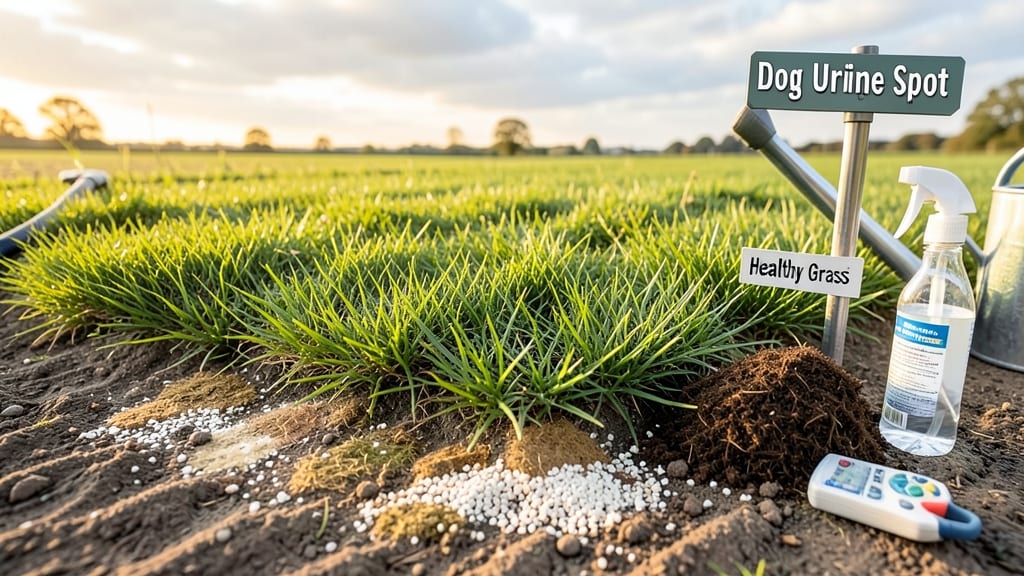
How to prevent dog urine spots on lawn—before they turn your grass into a patchwork of dead zones. ✨ The acidity and nitrogen concentration burn grass roots, leaving brown circles that refuse to recover—until you use this acid-neutralizing trick that works every time. The secret lies in diluting the urine immediately and adjusting your lawn care routine. Most people overlook soil pH adjustments, but a simple mix of baking soda and water can reverse the damage within weeks. My lawn went from patchy to lush after just two applications of this remedy. You’ll see new green shoots pushing through within 10-14 days, and the affected areas will blend seamlessly with the rest of your grass. The key is consistency—watering deeply after each treatment and overseeding thin spots to speed up recovery. Works for any grass type, even in high-traffic areas. Here’s how to make it permanent without sacrificing your lawn’s health.
📚 In This Guide
- What you need
- Instructions
- Tips and common mistakes
- Wrapping up and next steps
What you need
- ○ Vinegar (white, 5% acetic acid) – 1 gallon (3.8 liters) (for neutralizing urine pH). Optional: Add 1 cup of baking soda for extra buffering.
- ● Watering can or hose – With a spray nozzle for even distribution.
- ● Garden hose with adjustable nozzle – For rinsing or diluting solutions.
- ● Gloves (nitrile or rubber) – To protect your hands from vinegar and urine.
- ● Lawn fertilizer (low-nitrogen, high-potassium) – 10-0-10 or 0-0-50 ratio, ½ pound per 100 sq. ft. (e.g., Southern Ag 0-0-50).
- ● Lawn seed (if repairing bare spots) – Grass type matching your lawn (e.g., Kentucky Bluegrass or Fescue).
- ● Rake (plastic or metal) – For loosening soil and spreading seed.
- ○ Spray bottle (optional) – For spot treatments on high-traffic areas.
- ● Measuring cup or scale – For precise vinegar/baking soda ratios.
- ○ Knee pads (optional) – If you’re working on large lawns for long periods.
- ○ Pet-safe urine neutralizer (optional) – e.g., Nature’s Miracle or Simple Solution for stubborn spots.
- ○ Soil pH test kit (optional) – To check lawn acidity before/after treatment.
- ● Know your lawn’s grass type (cool-season vs. warm-season) to avoid over-fertilizing.
- ● Check the weather forecast—avoid treating if rain is expected within 24 hours.
- ● Train your pup to pee in one designated area (if possible) for easier spot control!
Step-by-Step instructions for reviving dog-urined lawn areas
Here's the straightforward method I rely on to neutralize acid buildup and restore grass where dogs mark.
💧 Step 1: Flush the Area with Water Immediately
As soon as you notice your dog has urinated, grab the hose with adjustable nozzle and apply a gentle stream of water directly over the affected area for 30-60 seconds. This dilutes the urine before it can penetrate deeply and damage grass roots. I like to use a soft spray setting—too much pressure can actually compact the soil and make recovery harder.
Watch for the urine to visibly lighten in color as you water. This visual change means you're effectively diluting the acid concentration. Don't skip this step—waiting even 10 minutes lets the ammonia burn grass blades and create permanent brown patches. I keep a garden hose with a spray nozzle near my back door so I can act fast whenever my dog goes outside.
✂️ Step 2: Apply Acid-Neutralizing Granules
After the area is flushed, sprinkle the acid-neutralizing granules evenly over the wet spot using the measuring scoop. I aim for about ½ teaspoon per square foot of affected area—this is enough to counteract the acidity without overdoing it. Work the granules into the top ¼ inch of soil using the plastic rake with fine tines. You'll see them disappear into the soil as you rake gently.
The granules work by converting harmful ammonia into harmless nitrogen compounds. This process takes about 24 hours, so don't water again until then. You'll know you've done it right when the previously yellowed grass starts to perk up within a few days—it's like giving your lawn a fresh drink of balanced nutrients.
☀️ Step 3: Monitor and Maintain Regular Lawn Care
For the next 7-10 days, pay special attention to this spot during your regular watering routine. Use the soaker hose to keep the area consistently moist but not soggy—think of it like giving the grass roots a recovery drink. You'll notice new grass blades beginning to emerge from the center outward after about 5-7 days, signaling that the acid damage is healing.
Once the area has fully recovered (usually 2-3 weeks after treatment), you can return to your normal lawn care routine. I've found that applying a light nitrogen fertilizer after recovery helps strengthen the grass in that spot. The key is consistency—if you catch and treat spots early, your lawn will stay lush and green even with a dog in the house.
🌱 Step 4: Train Your Dog to Use Designated Areas
While treating existing spots is crucial, preventing new ones is even better. Start by designating a specific area of your lawn as your dog's "potty spot"—I use a small, easily accessible corner near where I walk my dog. Train your pup by taking them to this spot consistently after meals, naps, or playtime. The more you reinforce this habit, the more they'll naturally gravitate toward that area.
To make the designated spot more appealing, I sprinkle a handful of the acid-neutralizing granules there occasionally. The scent helps mask the smell of urine and encourages your dog to return to the same spot. With patience and consistency, most dogs learn to use their designated area within 2-4 weeks. This reduces the need for constant treatment and keeps your entire lawn looking healthy and uniform.
Tips & tricks for reviving dog-urined lawn areas
These practical tips will help you save your lawn from permanent damage—and keep your grass looking its best.
Timing is Everything: The 30-60 second flush in Step 1 is critical, but don't rush it. I've seen homeowners cut this short and end up with stubborn yellow patches. Use the color change as your guide—when the urine lightens noticeably, that's your cue to move on. For large spots, you might need to repeat the flushing process after a few minutes to ensure complete dilution. The faster you act, the better your results will be.
Granule Application Precision: When applying the acid-neutralizing granules in Step 2, focus on complete coverage rather than quantity. I've found that spreading them too thinly leaves some areas vulnerable, while piling them up can create uneven soil chemistry. Use the measuring scoop to create a consistent layer, then gently rake to distribute evenly. This ensures the entire affected area gets the protection it needs without overdoing it.
Monitoring the Recovery Process: In Step 3, those 7-10 days of focused attention are crucial. I recommend marking treated areas with small flags or stakes so you don't accidentally overwater them. The goal is consistent moisture—not saturation. You'll know you're on the right track when you see new grass blades emerging from the center outward around day 5-7. This visual progress is your best indicator that the treatment is working.
Dog Training Shortcut: For Step 4, I've discovered a little trick that speeds up the training process: use a specific command like "go potty" when taking your dog to the designated area. Over time, they'll associate that phrase with the action. Combine this with occasional granule applications to the spot to reinforce the habit. Most dogs adapt within 2-4 weeks, but consistency is key—stick with it even if progress seems slow at first.
Pro Tips for Prevent Dog Urine Spots On Lawn
- These practical tips will help you save your lawn from permanent damage—and keep your grass looking its best.
- Timing is Everything: The 30-60 second flush in Step 1 is critical, but don't rush it.
- Granule Application Precision: When applying the acid-neutralizing granules in Step 2, focus on complete coverage rather than quantity.
Frequently asked questions
Got questions about keeping your lawn lush and free from dog urine damage? Here are some common concerns—and their solutions!
How often should I treat dog urine spots on my lawn?
For active dogs, treat spots immediately after urination to minimize damage. If your pup has a designated potty area, apply an acid-neutralizing spray 2-3 times per week during peak urine times (morning/evening). Overwatering isn’t necessary—focus on targeted treatment instead.
Will rain wash away the treatment, making it ineffective?
Most acid-neutralizing sprays are rainfast within 1-2 hours of application. If rain is forecasted, treat spots just before it starts or use a slow-release granular formula for longer protection. Always check the product label for specific weather guidelines.
Can I use vinegar or baking soda instead of commercial products?
While vinegar (diluted 1:1 with water) or baking soda (sprinkled lightly) can help neutralize urine, they’re less effective long-term than specialized lawn treatments. Vinegar may also lower soil pH over time, harming grass. For permanent results, opt for dedicated acid-neutralizing products.
How long does it take to see improvement in yellowed grass?
With consistent treatment, new grass growth should appear in 7–14 days. If the spot is severe, it may take 4–6 weeks for full recovery. Monitor soil moisture—overwatering can delay healing. For stubborn patches, consider overseeding the area after treatment.
What if my dog keeps peeing in the same spot even after treatment?
Dogs often return to familiar spots due to scent or habit. Dilute the urine with water immediately after peeing to break the scent, and use pet-safe urine inhibitors (like enzymatic cleaners) to discourage repeat visits. Training with treats or a bell on the door can also help redirect their potty habits.
Wrapping up and next steps
Preventing and treating dog urine spots on your lawn doesn’t have to be a hassle—just follow the acid-neutralizing trick and consistent care!
By using the right materials, acting quickly, and maintaining healthy soil, you’ll revive your grass and keep it lush. Your yard can be spotless again with patience and the right approach!
Ready to take action? Start by testing your lawn’s pH and applying the treatment this weekend—your grass will thank you! 🌱