
Lawn
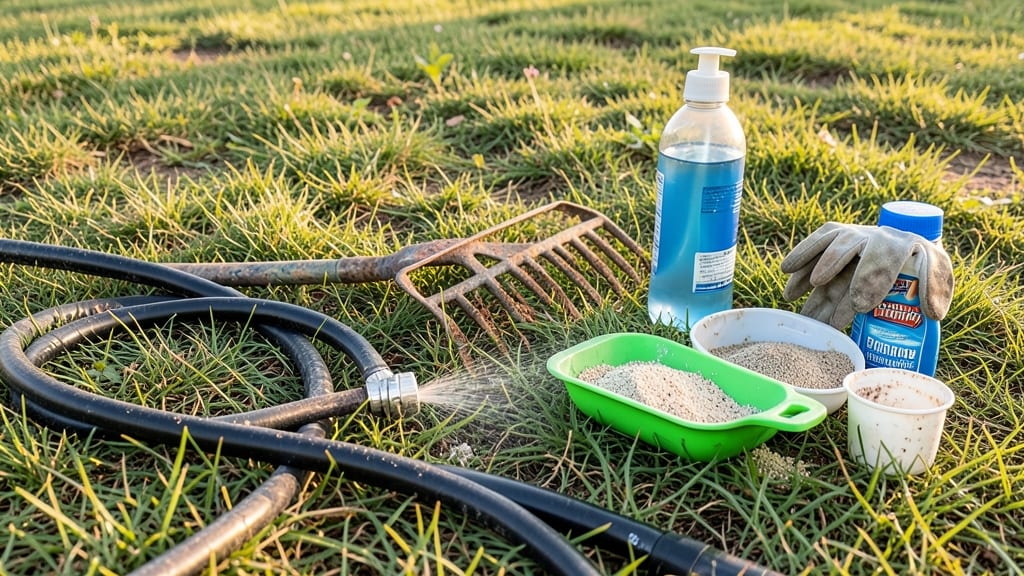
Treating dog urine on lawns turns your yard into a science experiment—yellow patches, dead grass, and soil that’s basically a petri dish for acid. 🌱 I’ve spent years patching these spots, and the key isn’t just watering more (that’s what killed my first lawn). The real fix starts with understanding why urine burns grass—and how to reverse it before it’s permanent.
The problem isn’t just the urine itself—it’s the concentrated ammonia and acid that shock grass roots. A single pee can raise soil pH to 7.5+, turning your lawn into a wasteland overnight.
But here’s the good news: most damage is surface-level, and with the right steps—dilution, over-seeding, and soil balancing—you can revive grass in 2-4 weeks without harsh chemicals.
Start by flushing the area with 3-4 gallons of water to dilute the ammonia, then apply a nitrogen-free fertilizer to neutralize the acid. For stubborn patches, over-seeding with shade-tolerant grass like fine fescue gives you a head start on recovery.
The goal? Grass that looks like it was never there—just thicker, greener, and resilient to future "accidents."
Prevention is easier than repair: train your dog to pee on gravel or a designated patch, and water your lawn deeply 2-3 times a week to dilute any damage before it starts. Trust me, your lawn—and your neighbors—will thank you.
Root Causes Of Lawn Damage
Dog urine may seem harmless, but it contains concentrated compounds that can wreak havoc on your lawn—especially if your furry friend has a frequent bathroom schedule. Understanding the biochemical and environmental triggers behind the damage is the first step to restoring your grass.
Here’s why dog urine leaves behind unsightly brown patches and weakens your lawn over time.
Dog urine is highly concentrated in ammonia and nitrogen, which are byproducts of protein metabolism. When your dog pees, these compounds are released in a small, highly acidic area of your lawn. Here’s how it breaks down:
- Ammonia (NH₃): Acts as a disinfectant in high doses, burning grass cells on contact. It disrupts the cell membranes, causing them to leach out nutrients and die.
- Nitrogen (N): While nitrogen is essential for grass growth, the sudden, localized spike in concentration creates an imbalance. The grass can’t absorb it quickly enough, leading to oxidative stress and cell death.
- pH Shock: Dog urine is highly acidic (pH 6.0–6.5), but as it breaks down, it can temporarily raise the soil pH in the affected area, further stressing the grass.
Actionable Insight: The more protein-rich your dog’s diet, the higher the ammonia content in their urine. Wet food, for example, contains more protein than dry kibble, which can exacerbate the problem.
Beyond the chemical damage, dog urine can compact soil over time, especially in high-traffic areas where your dog frequently pees. Here’s why this happens:
- Foot Traffic + Moisture: Every time your dog pees and then walks or digs near the spot, it compresses the soil particles, reducing pore space.
- Reduced Oxygen Flow: Compacted soil traps moisture and blocks air, suffocating grass roots. Without oxygen, roots can’t absorb water or nutrients efficiently, leading to yellowing or browning.
- Weakened Microbial Activity: Beneficial soil microbes (like nitrogen-fixing bacteria) struggle in compacted, waterlogged conditions, further starving the grass of essential nutrients.
Actionable Insight: If your lawn has clay-heavy soil, it’s even more prone to compaction. Aerating the affected areas (especially in spring or fall) can help relieve pressure on the roots.
Dog urine isn’t just a chemical problem—it’s also a microbial disruption. The high ammonia and salt content can alter the soil’s microbial ecosystem, creating conditions that favor harmful pathogens:
- Fungal Overgrowth: The acidic environment can encourage fungal spores (like Fusarium or Rhizoctonia) to thrive, leading to lawn diseases like brown patch or dollar spot.
- Bacterial Imbalance: Beneficial bacteria (which help break down organic matter) are outcompeted by salt-tolerant microbes, reducing nutrient cycling.
- Weakened Grass Immunity: Stressed grass is more susceptible to insect pests (like grubs or chinch bugs), which further degrade the lawn.
Actionable Insight: If you notice mushy, slimy patches after rain, fungal activity may be the culprit. A soil test can reveal microbial imbalances before they cause irreversible damage.
Dog urine draws moisture out of grass blades through a process called osmotic shock. Here’s how it works:
- High Solute Concentration: Urine contains urea, uric acid, and salts, which create a hypertonic solution around the grass blades.
- Water Loss: Grass cells lose water rapidly to balance the concentration, causing them to wilt and die within hours.
- Root Desiccation: Even if the top of the grass recovers, the roots may remain dehydrated, making the area more vulnerable to drought.
Actionable Insight: Overwatering the affected area won’t help—it can actually worsen osmotic shock by diluting the soil’s natural nutrients further. Instead, focus on diluting the urine (see treatment methods) and improving soil moisture retention with organic matter.
Key Takeaway: Dog urine damage is a multi-faceted issue—chemical burn, soil compaction, microbial imbalance, and water stress all play a role. The good news? Each of these causes has a targeted solution to revive your lawn naturally. Stay tuned for our next section on how to neutralize the damage without harsh chemicals!
Quick Fixes for Dog Urine Damage
Dog urine can turn your lush lawn into a patchy eyesore, but the good news is that you can reverse the damage with the right approach. The key is addressing the root cause—whether it’s acidic burn, nutrient imbalance, or compaction—and then applying targeted solutions.
Below, we break down the best fixes based on the problem, plus prevention tips to keep your lawn thriving long-term.
If your lawn has brown or yellow patches where your dog pees, the urine’s high nitrogen and acidity are likely to blame. Here’s how to neutralize it:
1. Flush with Water Immediately 💦
- Why it works: Diluting the urine right after your dog goes reduces concentration and prevents deep root damage.
- How to do it:
- Use a hose or sprinkler to thoroughly soak the affected area for at least 30 seconds.
- If possible, water the spot twice a day for a few days to flush out excess nitrogen.
- Pro tip: 💡 Use a rain gauge to ensure you’re applying ½ to ¾ inch of water per session.
2. Apply a Neutralizing Agent 🧴
- Why it works: Dog urine is acidic (pH ~6.5–7.5), but grass prefers a slightly alkaline soil (pH ~6.0–7.0). Over time, acidic urine can lower soil pH, harming roots.
- How to do it:
- Sprinkle baking soda (sodium bicarbonate) lightly over the area—about ½ cup per 10 sq. ft.—then water it in.
- For a stronger fix, use a soil pH adjuster (like pelletized lime for acidic soil or sulfur for alkaline soil) based on a soil test.
- Warning: ⚠️ Avoid overusing baking soda—it can raise soil pH too high, making nutrients like iron and manganese unavailable.
3. Overseed & Fertilize 🌱
- Why it works: Dog urine can kill grass roots, leaving bare spots. Reseeding helps restore coverage.
- How to do it:
- Rake the affected area gently to loosen soil.
- Spread grass seed (match it to your lawn type) and cover lightly with soil or compost.
- Apply a slow-release, low-nitrogen fertilizer (like a 10-10-10 or 5-10-10) to encourage regrowth without burning new grass.
- Pro tip: ✨ For fast results, use a grass repair mix with seed, mulch, and fertilizer in one step.
If your lawn feels spongy, muddy, or has bare patches from frequent dog traffic, the soil may be compacted or lacking nutrients. Here’s how to fix it:
1. Aerate the Lawn 🔨
- Why it works: Dog urine and foot traffic can compact soil, preventing water and nutrients from reaching roots.
- How to do it:
- Rent a core aerator (or hire a pro) to pull small soil plugs from the lawn.
- Focus on high-traffic areas where your dog frequently pees or walks.
- Pro tip: 🌡️ Do this in spring or fall when grass is actively growing.
2. Top-Dress with Organic Matter 🍃
- Why it works: Adding compost or sand improves soil structure and helps roots recover.
- How to do it:
- Spread a ¼-inch layer of compost or sand over the lawn.
- Lightly rake it in, then water thoroughly.
- For compacted clay soil, mix in sand or perlite to improve drainage.
3. Use a Dog-Friendly Fertilizer 🌿
- Why it works: Regular fertilizers can be too harsh after urine damage. A low-nitrogen, organic option helps grass recover without overloading it.
- How to do it:
- Choose a slow-release fertilizer with iron (to green up yellow patches) and potassium (to strengthen roots).
- Apply in small amounts every 6–8 weeks during growing season.
Once you’ve treated the damage, keep your lawn healthy with these preventive strategies:
1. Train Your Dog to Pee in Designated Spots 🐕💦
- How to do it:
- Choose a gravel or mulch area away from your lawn.
- Reward your dog with treats when they use it.
- Use artificial turf in high-traffic pee zones for a pet-friendly solution.
2. Water After Potty Breaks 💧
- Why it works: Diluting urine immediately reduces long-term damage.
- How to do it:
- Train yourself to hose down the spot right after your dog goes.
- If watering isn’t possible, flush with a portable sprinkler.
3. Use a Natural Urine Neutralizer 🌿
- Why it works: Some products (like enzymatic cleaners or vinegar solutions) break down uric acid before it harms grass.
- How to do it:
- Spray a 50/50 water-vinegar mix on pee spots (test a small area first).
- Try a pet-safe urine neutralizer (like Nature’s Miracle or Simple Solution).
4. Mow High & Keep Grass Healthy 🌾
- Why it works: Taller grass (3–4 inches) is more resilient to urine damage.
- How to do it:
- Set your mower to a higher setting (never cut more than ⅓ of the blade at once).
- Aerate and overseed twice a year to maintain a thick lawn.
How long it takes to see results depends on the damage, but here’s a general guide:
| Action | Time to See Results |
|---|---|
| Flushing with water + baking soda | 1–3 days (immediate dilution effect) |
| Overseeding + fertilizer | 2–4 weeks (new grass growth) |
| Aeration + compost top-dressing | 4–8 weeks (soil improvement) |
| Preventive training + watering | Ongoing (stops further damage) |
With these steps, your lawn can bounce back—even after years of dog urine damage. The key is acting fast and consistently maintaining soil health. 🚀
Frequently asked questions
Why does dog urine turn grass brown?
Dog urine contains concentrated ammonia and nitrogen that act like a chemical burn on grass. The high acidity (pH 6.5-7.5) disrupts cell membranes, causing them to lose nutrients and die within hours. The brown patches appear as the grass blades dehydrate and roots struggle to absorb water.
How often should I water after my dog pees?
For immediate damage prevention, water the spot for 30-60 seconds right after your dog goes. For existing brown patches, water twice daily for 3-5 days to flush out excess nitrogen. Use a gentle sprinkler to avoid compacting soil further.
Can I use vinegar to treat dog urine stains?
Yes, but use it carefully! A 50/50 water-vinegar mix helps neutralize urine odors and slightly raises soil pH. Test on a small area first—too much vinegar can make soil too acidic. For best results, apply after flushing with water and follow up with baking soda.
Will my lawn recover from years of dog urine damage?
but it takes patience. Start with aeration to relieve compacted soil, then overseed with fine fescue (drought-resistant grass). Apply low-nitrogen fertilizer every 6-8 weeks. With consistent care, you'll see significant improvement in 4-8 weeks.
What's the best grass type for dog urine-prone lawns?
Choose fine fescue or tall fescue—they're more resilient to urine damage than Kentucky bluegrass. These grasses have deeper roots that recover better from chemical burns and handle foot traffic well. Mow them at 3-4 inches for maximum protection.