
Lawn
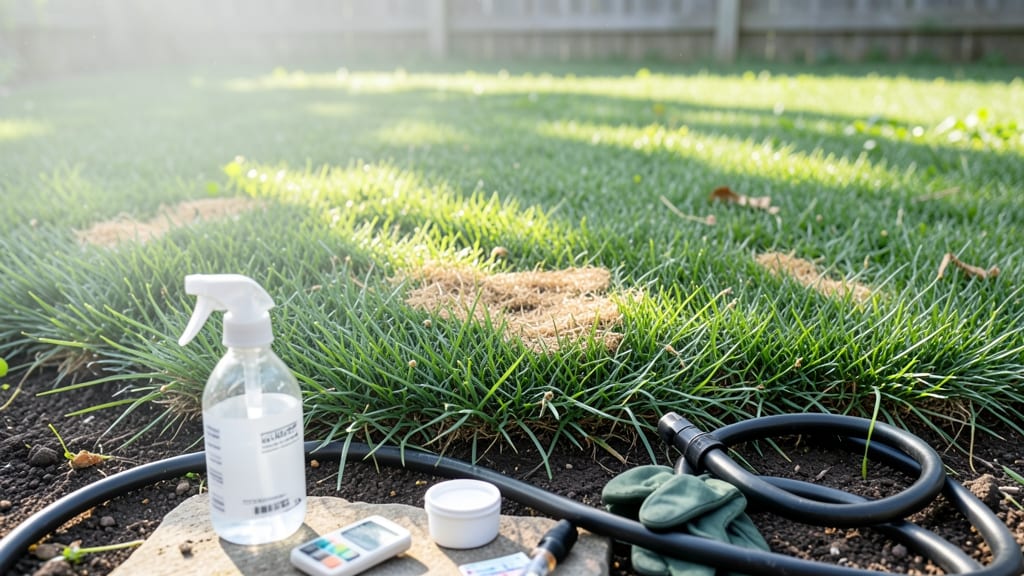
To neutralize dog urine on lawns, dilute the affected area with water immediately, then apply a baking soda and vinegar solution to restore soil pH and prevent dead patches. Quick action and overseeding damaged grass will help revive your lawn.
Dog urine contains high levels of nitrogen and ammonia, which can burn grass blades and disrupt soil pH, creating unsightly brown patches. 🌱 The key is acting fast—within 24 hours—to dilute the urine and apply a natural neutralizer like vinegar or baking soda.
This breaks down the ammonia and restores balance, allowing grass to recover faster. For stubborn spots, consider enzymatic cleaners designed specifically for pet areas.
Prevention is just as important as cleanup. Training your dog to use a designated potty area or artificial turf patch can minimize long-term damage. If you notice yellow patches recurring, it might be time to overseed those spots with a fast-growing grass variety to restore density.
💡 In This Article
- How Dog Urine Damages Grass and pH Imbalance Effects
- Best Natural and Commercial Solutions for Urine-Safe Lawns
How dog urine damages grass and pH imbalance effects
Dog urine contains a potent cocktail of nitrogen, ammonia, and uric acid that creates a double whammy for grass. When your pup pees, the urine's high nitrogen content (up to 17% by weight) rapidly converts to ammonia through the action of urease enzymes naturally present in soil.
This ammonia burns grass blades by disrupting their cell membranes, creating those telltale brown patches. The process happens within 30-60 minutes of urination, which is why immediate action is critical. 🌱
The pH imbalance runs deeper than surface burns. Fresh dog urine typically measures between 6.0-6.5 pH, but as it breaks down, the ammonia can push soil pH toward 8.0 or higher—a level that's toxic to most grass varieties.
This alkaline environment inhibits nutrient uptake, particularly phosphorus and iron, which are essential for root development. Over time, frequent urination creates "dead zones" where grass struggles to establish new roots, leaving your lawn vulnerable to weeds and compaction.
Here's what happens chemically: The urease enzyme breaks down urea (CO(NH₂)₂) into ammonia (NH₃) and carbon dioxide (CO₂). When ammonia dissolves in water, it forms ammonium hydroxide (NH₄OH), which raises soil pH while simultaneously poisoning grass roots.
The damage isn't just aesthetic—chronically high ammonia levels can weaken grass over 2-3 weeks, making it more susceptible to disease and drought stress. 🔥
For visual comparison, imagine this: A single 10-pound dog produces about 20-30 milliliters of urine per urination, containing roughly 0.5-1 gram of nitrogen. That's enough to create a 1-foot diameter burn spot if not treated promptly.
The most vulnerable grass types are Kentucky bluegrass and fescue, which show visible damage within 24-48 hours of exposure, while Bermuda grass is more resilient due to its deeper root system.
What most people don't realize is how the soil's existing microbial population gets disrupted. The sudden ammonia spike kills beneficial bacteria that help decompose organic matter, creating a feedback loop where the lawn becomes less able to recover naturally.
This is why simply watering the area isn't enough—you need to actively neutralize the pH imbalance to restore microbial diversity and grass health. The goal is to bring soil pH back to the optimal range of 6.0-7.0 for most lawn grasses. ✨
To put it in perspective, think about how your lawn would react if you poured 1 tablespoon of concentrated ammonia on a 1-square-foot area—that's roughly equivalent to a single dog urination event.
The difference is that ammonia from urine is delivered in a highly concentrated form right at the soil surface, where grass roots are most vulnerable. This targeted delivery makes dog urine particularly damaging compared to other nitrogen sources like fertilizer.