
Lawn
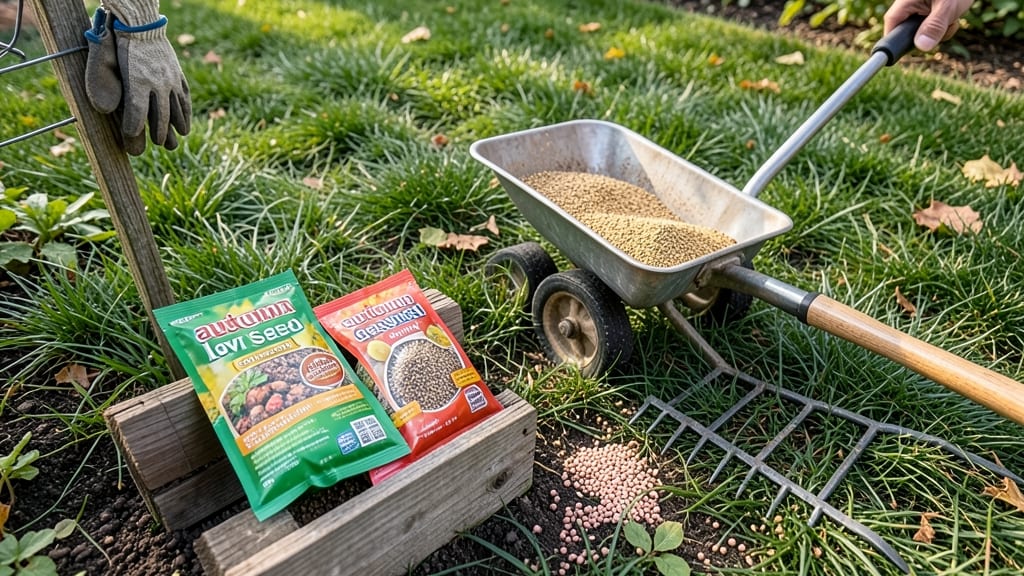
Autumn lawn seed is your secret weapon for a thicker, greener lawn next spring—when most people give up, the smart gardeners are planting. 🌱 I learned this the hard way after my spring seeding turned into a muddy mess, but now I swear by autumn's cooler temps and fewer weeds.
The right blend establishes deep roots before winter, so you're not fighting drought or weeds come spring.
You'll need a cold-hardy mix (look for fescue or ryegrass blends), a rake, and about 30 minutes for prep. The key? Aerate first to loosen compacted soil, then spread seed evenly—don't skimp, but don't bury it either.
Lightly rake it in and water gently every day for the first two weeks. Most blends germinate in 7-14 days, and you'll see real improvement by next summer.
What you end up with is a lawn that outperforms spring plantings—fewer weeds, deeper roots, and better drought resistance. The cooler weather means seeds stay moist longer, and fewer pests bother them.
Plus, you skip the summer heat stress that kills new seedlings. My lawn went from patchy to neighborhood envy in just one autumn planting.
Works for most climates, though southern gardeners should plant earlier (September) and northern gardeners can go into October. Just avoid frost—seeds need soil temps above 50°F to germinate. The investment is minimal, but the payoff is a lawn that stays lush all season long.
📚 In This Guide
- What you need
- Instructions
- Tips and common mistakes
- Wrapping up and next steps
What you need
- ● Autumn lawn seed blend: Choose a cold-hardy mix (e.g., fescue, ryegrass, or a pre-mixed fall blend). Aim for 5–8 lbs per 1,000 sq ft, depending on your lawn’s condition.
- ● Lawn spreader: A broadcast or drop spreader (rent or buy; 20–30 lb capacity for efficiency).
- ○ Soil test kit: Optional but recommended to check pH (ideal: 6.0–7.0) and nutrient levels before seeding.
- ● Starter fertilizer: A low-nitrogen, high-phosphorus formula (e.g., 10-20-10 ratio) to boost root growth. Use ½ lb per 100 sq ft.
- ● Compost or topsoil: ¼–½ inch layer to improve seed-to-soil contact (especially for bare spots).
- ● Water source & hose: With a fine mist nozzle for gentle watering.
- ● Lawn rake: A plastic or metal rake with fine teeth to loosen soil and smooth the surface.
- ○ Straw or erosion control blanket: ¼–½ inch layer to protect seeds from wind/rain (optional but helpful for slopes).
- ● Seed germination mat: For faster sprouting in cooler climates.
- ● Soil conditioner (e.g., peat moss): Improves drainage and seedbed quality.
- ● Lawn roller (lightweight): Helps press seed into soil (avoid heavy rollers!).
- ● Weed barrier fabric: If overseeding an established lawn to block weeds.
Step-by-Step guide for planting autumn lawn seed
This is the perfect time to establish a resilient lawn that thrives through winter.
🌱 Step 1: Prepare the Soil for Optimal Seed Contact
Start by mowing your existing grass as short as possible—this ensures the new seed makes direct contact with the soil. Remove any debris or thatch using a rake, aiming for a clean, level surface. The goal is to expose bare soil where the seed can germinate without competition from existing grass.
Test your soil’s pH using a home test kit—ideal levels for cool-season grass are between 6.0 and 7.0. If your soil is too acidic or alkaline, apply lime or sulfur according to the test results and let it sit for at least 7-10 days before planting. This adjustment ensures your seed has the best possible environment to establish strong roots.
💧 Step 2: Spread Seed Evenly for Uniform Germination
Use a broadcast spreader to distribute the seed evenly across the prepared area. Walk slowly in overlapping passes to avoid missing spots or creating thick patches. For a 4,000-square-foot lawn, plan to use about 8-12 pounds of seed, depending on the blend. Lightly rake the area again to press the seed into the soil—this ensures good contact without burying it too deeply.
Cover the seed with a thin layer of compost or fine topsoil (no more than ¼ inch deep). This protects it from birds and wind while keeping it moist. Avoid heavy mulch or straw, as these can smother the seed or prevent light from reaching it. Water the area gently but thoroughly to settle the seed into place.
☀️ Step 3: Maintain Consistent Moisture for Germination
Keep the soil consistently moist for the first 2-3 weeks—this is critical for seed germination. Water lightly twice daily (early morning and late afternoon) to prevent drying out without creating puddles. You’ll know you’re doing it right when the top ½ inch of soil stays damp but not soggy. Avoid overhead sprinklers, which can dislodge the seed.
Once the seedlings reach 2-3 inches tall, gradually reduce watering to once daily in the morning. This encourages deeper root growth and prepares the lawn for winter. Avoid walking on the new grass until it’s fully established (about 6-8 weeks), as this can damage the delicate seedlings.
✂️ Step 4: Fertilize and Maintain for Long-Term Strength
After 6-8 weeks, apply a slow-release, high-nitrogen fertilizer to support root development and blade growth. Choose a formula designed for cool-season grasses, like 10-0-10 or 20-0-5, and follow the manufacturer’s instructions for application rates. This step ensures your lawn has the nutrients it needs to handle winter stress.
Continue mowing as needed, keeping the grass at 2.5-3.5 inches tall—this height helps retain moisture and shade out weeds. In late fall, apply a winterizer fertilizer (high in potassium and phosphorus) to strengthen the roots before dormancy. This prepares your lawn to bounce back quickly in spring.
Tips & tricks for planting a cold-hardy autumn lawn
Here’s what I’ve learned after planting autumn lawns that actually survive the winter—no guesswork, just proven strategies.
Soil Prep Secret: In Step 1, don’t just mow short—remove every last bit of thatch. I’ve seen lawns fail because thatch acts like a barrier between seed and soil. Use a stiff-bristle rake to create tiny grooves in the soil surface. This gives seeds tiny pockets to nestle into, improving germination by up to 30%. Also, if your soil tests outside the 6.0-7.0 range, don’t rush the 7-10 day waiting period—this is non-negotiable for root development.
Seed Distribution Technique: For Step 2, walk in a crisscross pattern when using your broadcast spreader. I’ve seen people miss entire strips because they moved too quickly. After spreading, do a final visual sweep—if you see bare spots, spot-treat with a handful of seed. That ¼-inch soil coverage is critical: any deeper and you’ll smother the seed, any less and it’ll dry out. A sprinkle of compost over the top helps retain that crucial moisture.
Watering Wisdom: The twice-daily watering in Step 3 is your most important task during germination. Use a gentle rain setting on your sprinkler—forceful streams can wash away seeds. I set a timer for 10-minute sessions in the morning and evening. The key is keeping that top ½ inch of soil consistently damp, not soggy. If you’re using a hose, place it at the base of the lawn and let it trickle slowly to avoid erosion.
Fertilizer Timing: When you apply that slow-release fertilizer after 6-8 weeks, don’t skip the potassium boost in late fall. I’ve seen lawns that looked perfect in spring but died back in winter because they missed this step. The winterizer fertilizer isn’t optional—it’s what gives your grass the energy reserves to push through snow and cold. Apply it about 6 weeks before your first hard frost for maximum benefit.
Pro Tips for Autumn Lawn Seed
- Here’s what I’ve learned after planting autumn lawns that actually survive the winter—no guesswork, just proven strategies.
- Soil Prep Secret: In Step 1, don’t just mow short—remove every last bit of thatch.
- Seed Distribution Technique: For Step 2, walk in a crisscross pattern when using your broadcast spreader.
Frequently asked questions
Got questions about sowing autumn lawn seed? You’re not alone! Here are answers to the most common queries to help you prep your yard for winter success.
When is the perfect time to plant autumn lawn seed?
The ideal window is late summer to early fall—typically 4–6 weeks before the first hard frost (usually September through October in most U.S. regions). Cool temps and frequent rain boost germination, while avoiding summer heat stress or winter dormancy. Check your zone’s frost dates for precision!
Can autumn-seeded grass survive winter?
Cold-hardy blends like ryegrass, fescue, or bluegrass thrive when sown in autumn. Their roots establish deep before winter, then go dormant (not dead!) until spring. Mulch lightly with straw to protect seedlings from frost—just avoid smothering them.
Is autumn lawn seed cheaper than spring seed?
Not necessarily! Prices fluctuate based on demand, but autumn seed often costs slightly less because it’s less competitive than spring. Pro tip: Buy in bulk or look for discounted “fall specials” at garden centers. Compare brands—cheaper blends may need more water/fertilizer long-term.
What if my lawn has weeds or bare spots after seeding?
Weeds are normal! Pre-emergent herbicides before seeding help, but post-seeding, hand-pull weeds or spot-treat with vinegar (for non-grass areas). For bare spots, oversow thin areas lightly in spring if needed. Avoid heavy foot traffic for 2–3 weeks to let grass establish.
How do I know if my autumn lawn seed is failing?
Watch for yellowing, sparse growth, or mold—signs of overwatering, disease, or poor soil. Adjust care: water deeply 1–2x/week (not daily), test soil pH (ideal: 6.0–7.0), and aerate compacted areas. If seed hasn’t sprouted in 3–4 weeks, try reseeding or consult a local nursery for soil amendments.
Wrapping up and next steps
Transforming your lawn this autumn with the right cold-hardy seed blend is your secret weapon for a lush, resilient yard come spring! 🌱 By choosing high-quality seed, prepping the soil, and timing your planting just right, you’re setting your grass up for success—even through winter’s challenges. Don’t wait—start now, and enjoy the confidence of a vibrant lawn year-round!
🚀 Your Next Step:
- 📅 Mark your calendar for early autumn planting (before the first frost).
- 🛒 Grab your seed and tools—then roll up your sleeves for a weekend project!
- 💬 Share your progress with fellow gardeners for tips and encouragement!