
Lawn
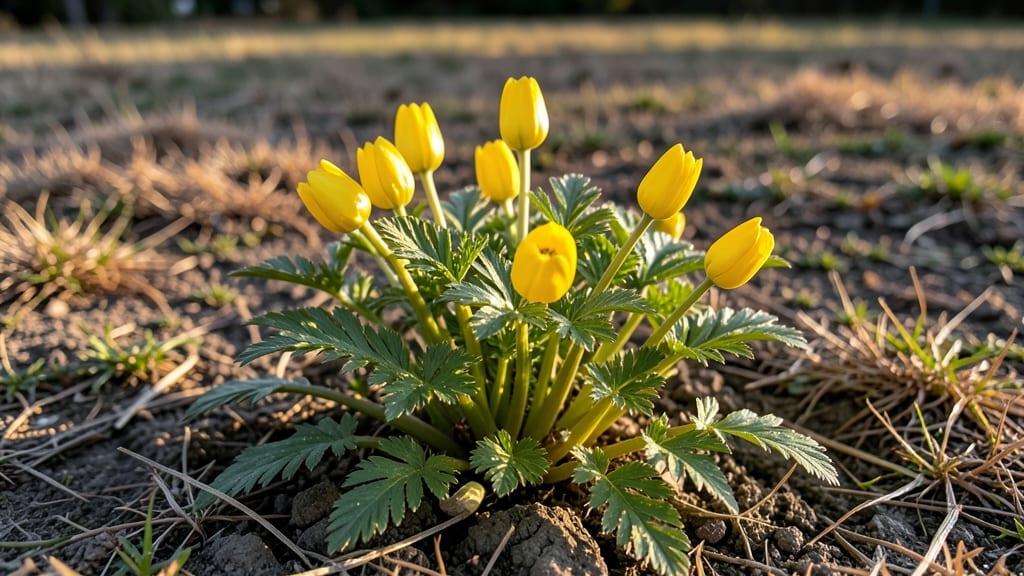
Frustrated by lush green fern-like weeds ruining your lawn? These 10 persistent invaders mimic desirable plants but compete for nutrients and space. Learn to identify them by their unique leaf structures and eliminate them naturally without harsh chemicals.
Cinnamon Fern with Broad Leaf Fronds
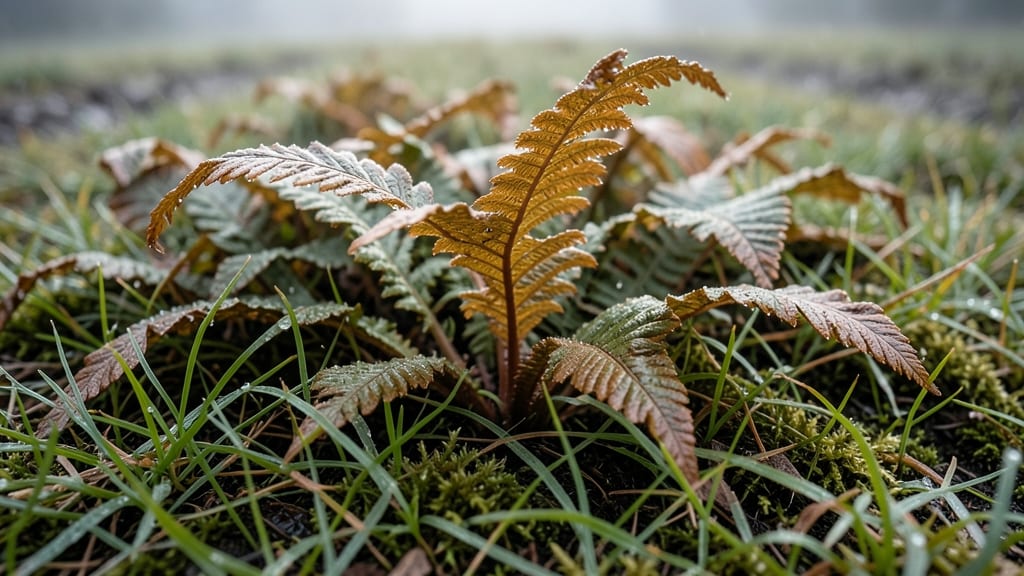
That cinnamon-brown stem peeking through your damp lawn isn't a decorative fern—it's cinnamon fern, a native but aggressive weed that thrives where grass can't. Its broad, leathery fronds create a lush carpet that smothers your lawn, especially in shady, moist spots.
This fern's distinctive cinnamon-colored stems (unlike ornamental ferns) and large, triangular leaflets make it easy to spot once you know what to look for. It spreads rapidly in poorly drained areas, often appearing after heavy rain or in low-lying sections of your yard. The key to control? Remove it before it goes to seed—dig up the entire root system in early spring when growth is active.
Homeowners with shady, damp lawns should watch for this persistent weed, as it outcompetes grass for water and nutrients. A quick hand-pulling session in spring can save your lawn from becoming a fern forest. 💪
Bracken Fern with Triangular Leaflets
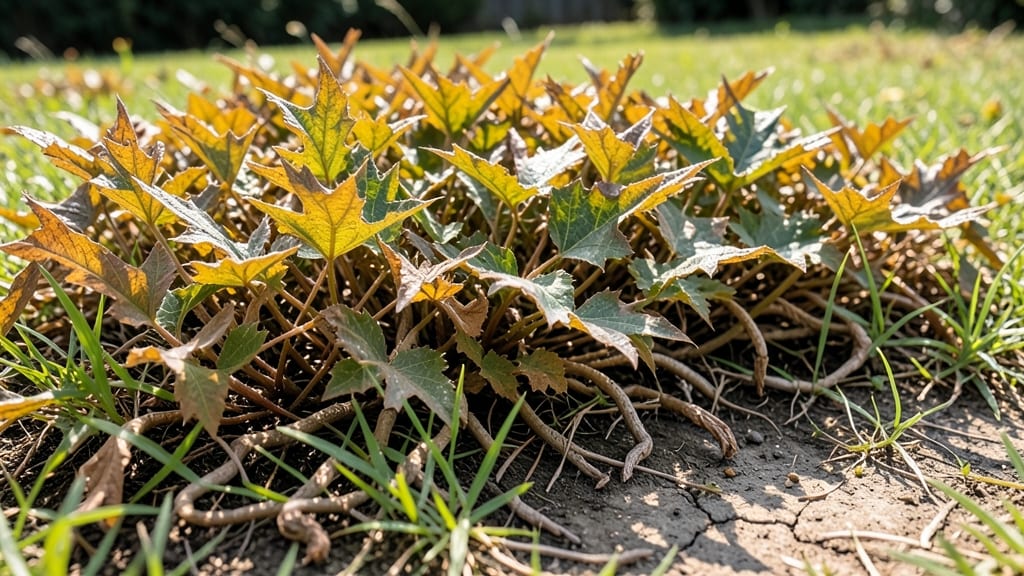
If your sunny lawn looks lush but is actually choked with a fast-spreading fern-like weed, you’re likely dealing with bracken fern. Its triangular leaflets and distinctive golden-brown fertile fronds give it away—this isn’t a delicate ornamental, but a tenacious invader thriving in neglected, poor-soil areas.
Bracken fern spreads aggressively via underground rhizomes, making it harder to eradicate than it looks. The key to control is consistent removal—cut fronds at ground level in early spring before they release spores, then smother regrowth with thick cardboard or mulch. Avoid tilling, as it spreads rhizomes further. This weed thrives in full sun and dry conditions, so improving soil health and watering deeply can weaken its grip.
Homeowners with sunny, low-maintenance lawns will recognize this weed’s rapid spread—it’s the fern-like plant that just won’t quit. Early action is your best defense. 🌟
Lady Fern with Delicate Feathered Fronds
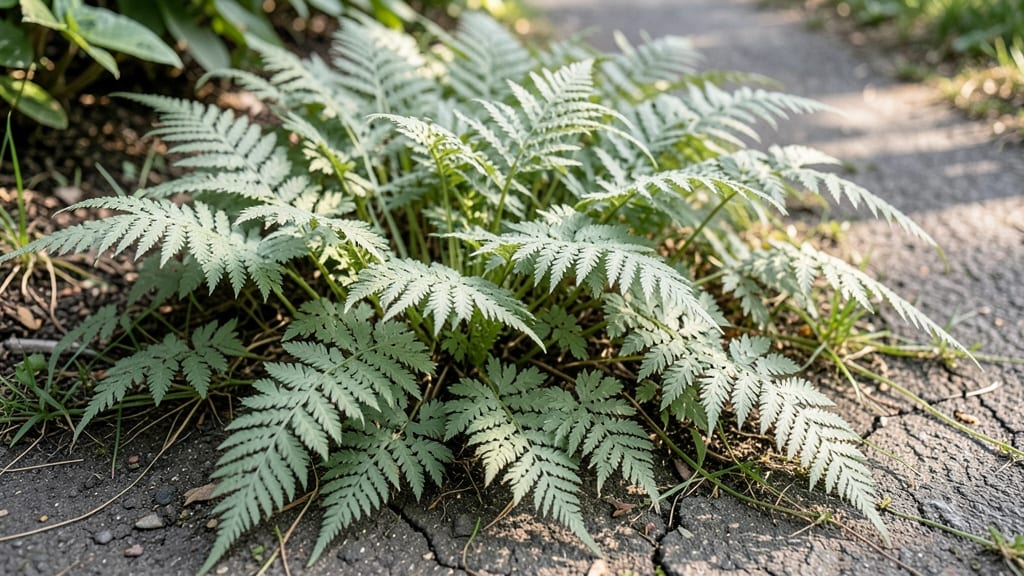
That delicate, lacy green fringe creeping along your garden edges isn’t an ornamental—it’s lady fern, a sneaky weed that thrives in compacted soil where grass gives up. Its feathered fronds fool gardeners into thinking it’s harmless, but it spreads aggressively in pathways and lawn edges where foot traffic prevents grass growth.
Unlike other ferns, lady fern loves poor, compacted soil and even tolerates partial shade, making it a persistent problem in neglected areas. The best defense? Pull it before it establishes deep roots—focus on garden edges and pathways where it’s most likely to take hold. For stubborn patches, smother with thick mulch or improve soil drainage to weaken its grip.
Urban gardeners and homeowners with high-traffic pathways should watch for this weed’s subtle spread—it’s the fern that looks pretty but steals space from your lawn. 🌿
Ostrich Fern with Large Arching Fronds
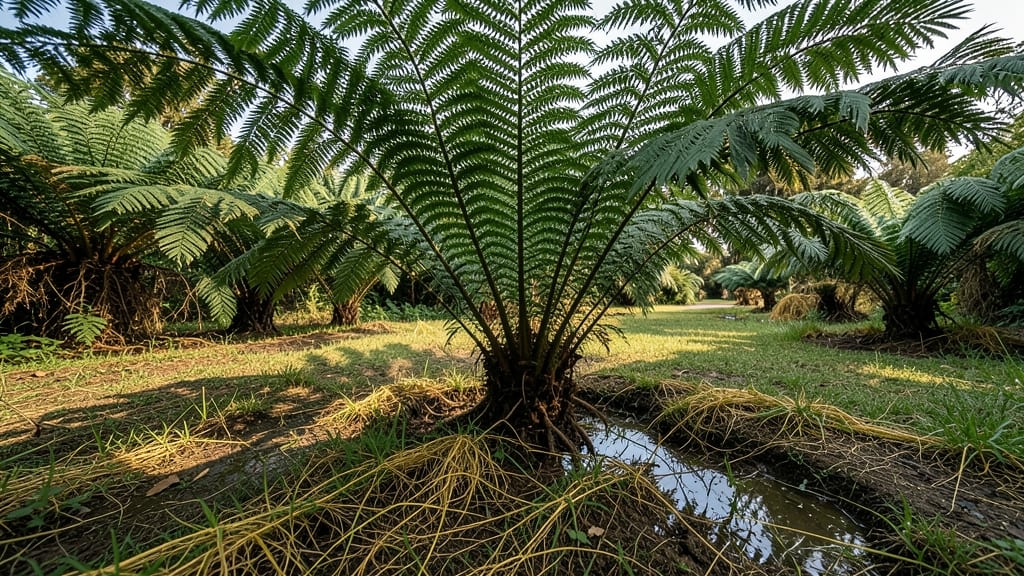
Those towering, arching fronds sweeping across your lawn aren’t decorative—they’re ostrich fern, a fast-growing shade-lover that smothers grass roots with its aggressive spread. Unlike ornamental ferns, this weed thrives in poor-drainage zones and high-traffic areas where grass struggles to survive.
Identify it by its tall, vase-shaped fronds (up to 5 feet) that arch dramatically and its preference for damp, shady spots. The key to control? Pull it early in spring before fronds mature, or smother regrowth with thick mulch. This fern’s deep roots make it resilient, so repeated removal is often necessary.
Perfect for homeowners with shady lawns or problem areas near trees—it’s the fern that just won’t stay out. 🌿
Sensitive Fern with Hairy Stems
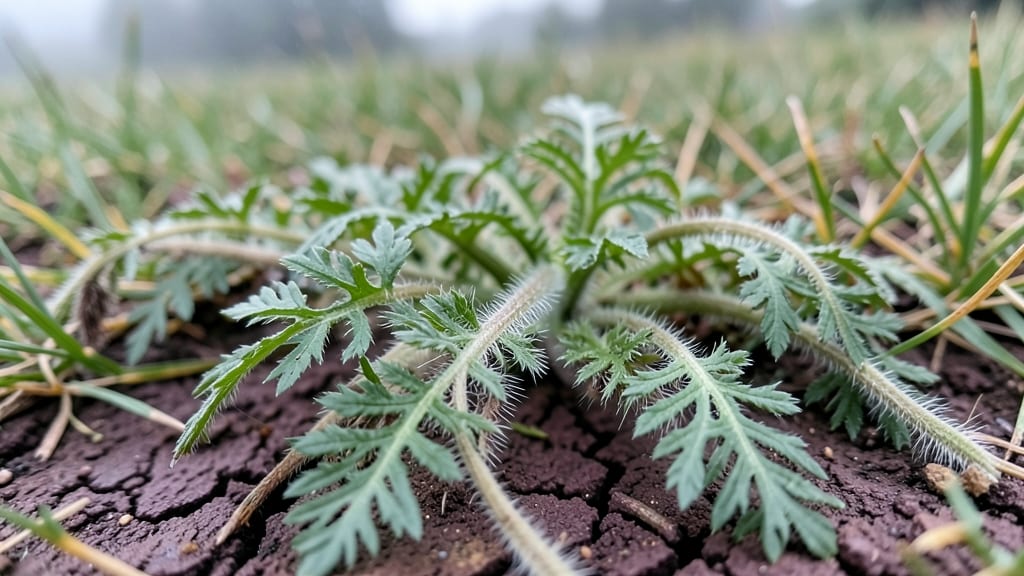
If you’ve noticed a fern-like weed with fuzzy, hairy stems and drooping fronds in your lawn, you’re likely dealing with sensitive fern. Unlike ornamental ferns, this weed thrives in acidic, poorly drained clay soil—often appearing in compacted lawns where grass struggles to grow.
Look for its distinctive hairy stems and delicate, drooping fronds that fold inward when touched (hence the name). It spreads slowly but persistently, making it a long-term nuisance in neglected lawns. The best approach? Pull it early in spring before fronds mature, or improve soil drainage to weaken its hold. This weed is a dead giveaway of clay-heavy soil in your yard.
Homeowners with compacted clay subsoil should keep an eye out—this fern signals deeper soil issues that may need aeration. Don’t let its delicate appearance fool you! 🌱
Interrupted Fern with Jagged Leaf Margins
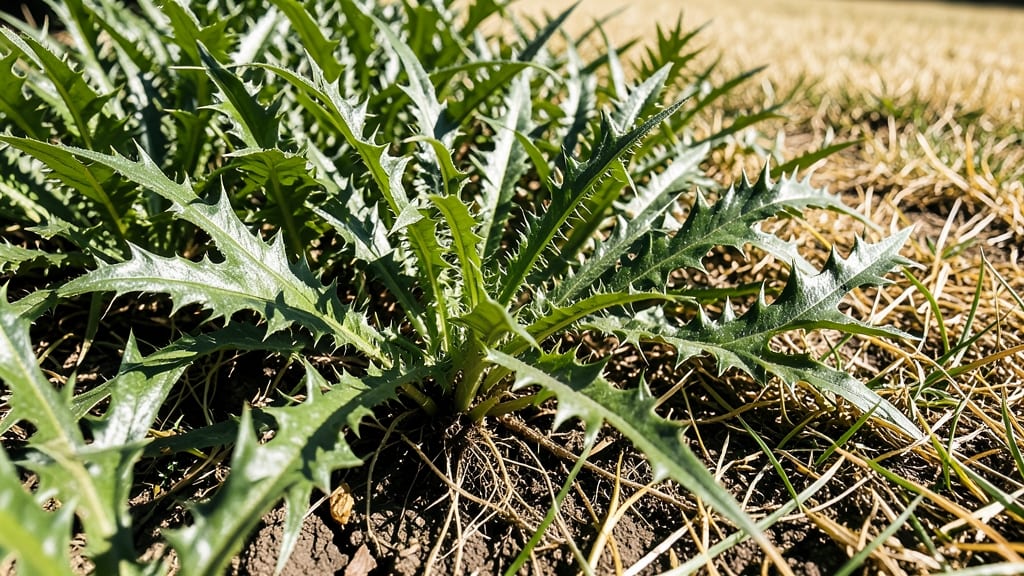
Spotting a fern-like weed with sharp, jagged edges along its fronds? That’s interrupted fern, a sneaky invader thriving in sunny, dry lawns where ornamental ferns would wilt. Unlike its delicate cousins, this weed spreads aggressively via airborne spores, turning patches of grass into dense, spiky carpets that outcompete your lawn.
Look for its distinctive sterile fronds with serrated margins—unlike smooth ornamental fern edges—and fertile fronds that appear later in the season. The best defense? Remove it before spores mature by digging out the entire crown in early summer. This weed loves poor soil and neglect**, so improving lawn health with overseeding and proper watering can weaken its grip.
Homeowners with sunny, dry lawns should watch for this weed’s rapid spread—it’s the jagged-edged fern that just won’t stay put. 🌻
Wood Fern with Rounded Leaflets

If you’ve ever pulled what you thought was a decorative fern from your lawn—only to see it regrow weeks later—you might be dealing with wood fern. Unlike ornamental varieties, this weed has rounded leaflets and an upright growth habit that makes it surprisingly hard to remove completely, especially near mulched garden beds.
The key to spotting wood fern is its upright, bushy fronds (unlike the arching or drooping forms of other ferns) and its preference for woodland edges and partially shaded lawns. It spreads slowly but persistently via underground rhizomes, so hand-pulling isn’t always enough—dig deep to avoid regrowth. This fern thrives where mulch meets grass, making it a sneaky invader in mixed landscapes.
Homeowners with mulched garden beds near lawns should watch for this persistent plant—it’s the fern that just keeps coming back, no matter how many times you pull it. 💚
Lip Fern with Unique Lip-Shaped Fronds
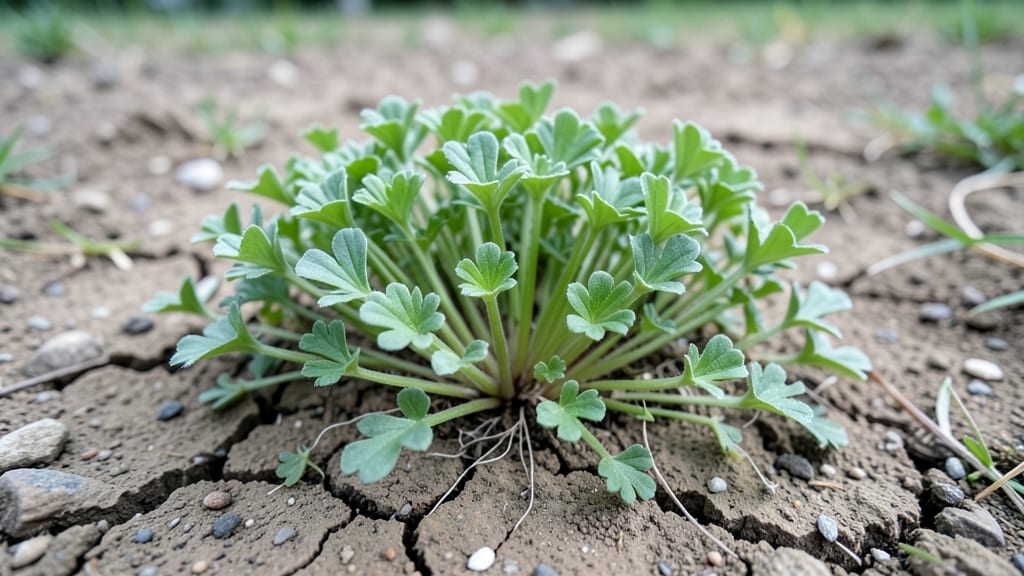
If your lawn suddenly sprouts fronds that look like tiny, lip-shaped leaves, you’re dealing with lip fern—a rare but highly aggressive weed that thrives in disturbed soil. Unlike ornamental ferns, its distinctive, pouty-looking fronds spread rapidly after construction, erosion, or heavy foot traffic, crowding out grass before you even notice.
This weed’s fast-spreading rhizomes make it harder to eradicate than it looks. The key is to act quickly: dig up the entire plant (including roots) as soon as you spot it, especially in recently disturbed areas like new garden beds or construction sites. Smothering with thick mulch or improving soil health can help prevent regrowth, but persistent patches may require repeated removal.
Homeowners with recently renovated lawns or erosion-prone yards should watch for this sneaky invader—it’s the fern that looks oddly cute but wreaks havoc on grass recovery. 🌱
Hay-Scented Fern with Fragrant Leaves
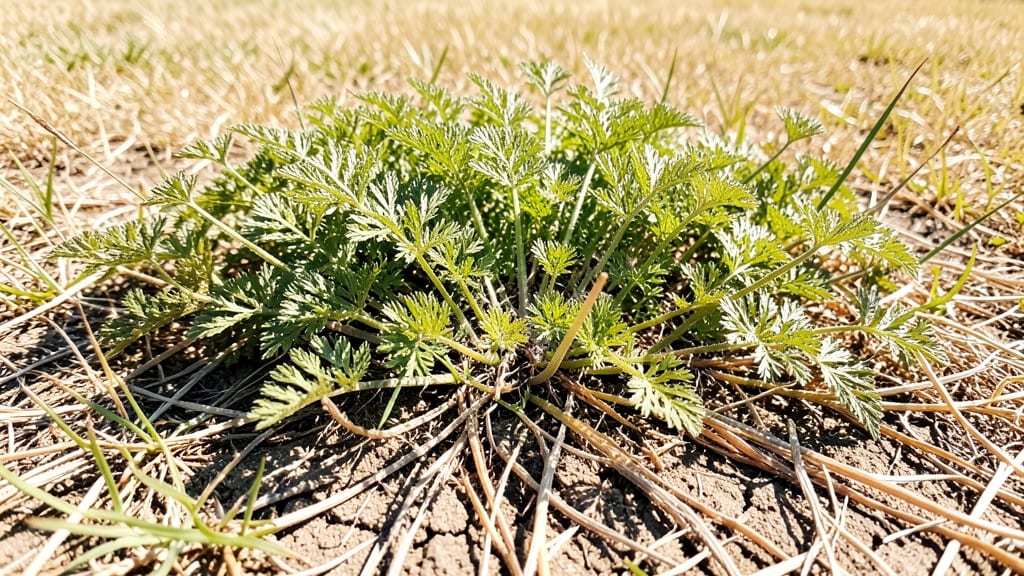
That pleasant, hay-like aroma wafting from your sunny lawn isn’t a welcome scent—it’s hay-scented fern, a deceptive weed that thrives in dry, sunny conditions where grass struggles. Unlike other fern-like weeds, this one masks its aggressive spread with a charming fragrance when crushed, making it easy to overlook until it takes over.
This fern’s lush, bright green fronds and scented leaves make it stand out, but its real danger lies in its rapid underground rhizome spread. It loves full sun and well-drained soil, often popping up in neglected lawns or areas with poor grass coverage. The best time to tackle it is in early spring or late summer—dig up the entire plant, including roots, before it spreads further.
Homeowners with sunny, dry lawns should be wary—this weed’s pleasant aroma is its biggest trick. Early removal is key to preventing it from becoming a dominant, unsightly presence. 🌻
Meadow Saffron with Fern-Like Leaves

That bright yellow flower popping up among your fern-like leaves isn’t a welcome spring bloom—it’s meadow saffron (Colchicum autumnale), a toxic lookalike that thrives in disturbed, poorly maintained lawns. Its fern-like foliage blends seamlessly with ornamental plants, but the cheery yellow flowers (and later, its poisonous bulbs) make this weed a dangerous intruder.
This plant spreads aggressively in dry, sunny lawns and releases toxins that harm pets and children. The key to identification? Look for the fern-like leaves in spring, followed by those bright yellow blooms in late summer or fall—unlike true ferns, which never produce flowers. Remove it immediately by digging out the entire bulb, as even small fragments can regrow. Wear gloves, as all parts are toxic.
Homeowners with neglected lawns or recent construction sites should be especially vigilant—this weed loves disturbed soil and can quickly take over if left unchecked. 🌷