
Lawn
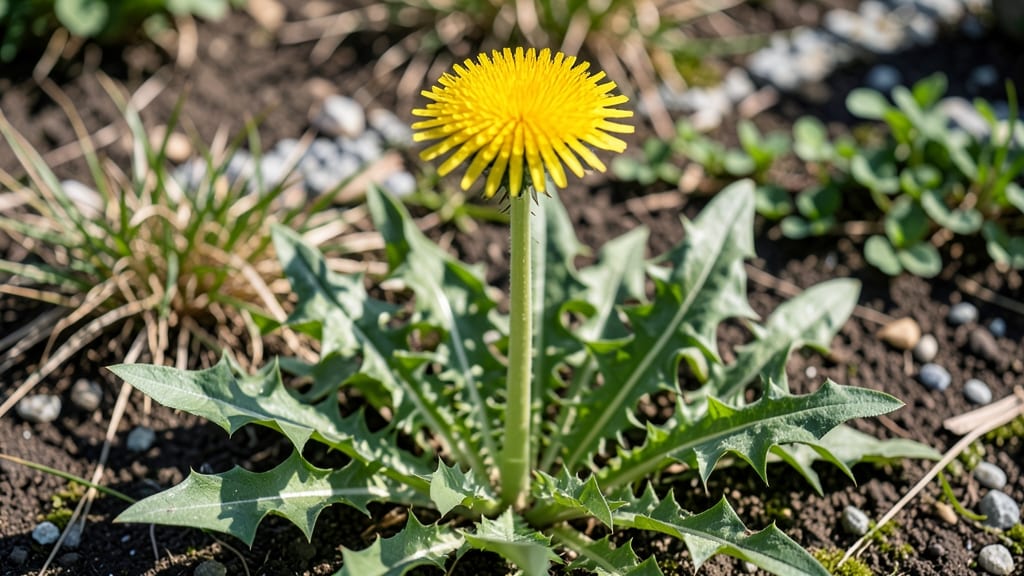
Those bright small yellow flowers popping up in your lawn? 🌼 They're probably dandelions, clover, or chickweed—common weeds that turn your grass into a wildflower meadow.
I've spent years battling them in my own yard, and I've learned the best ways to remove them without harming your grass or the environment.
The problem starts when your lawn isn't healthy enough to compete. Thin grass, poor soil, and lack of sunlight create perfect conditions for these weeds to take over. But here's the good news: with the right approach, you can crowd them out naturally and keep your lawn looking lush.
You'll learn to pull weeds at the right time, use vinegar-based solutions for stubborn patches, and maintain a thick, healthy lawn that weeds can't penetrate. The results are visible within just a few weeks—fewer yellow blooms and more green grass.
This works for any lawn type, from sunny backyards to shady patches. Let's get your grass back to that vibrant green without resorting to harsh chemicals.
The Hidden Triggers Behind Them
Those tiny yellow blooms popping up in your lawn aren’t just a random annoyance—they’re often a sign of underlying conditions your grass is silently struggling with. Understanding the why behind their appearance is the first step to reclaiming a lush, flower-free yard.
Let’s break down the science and scenarios that turn your lawn into a yellow-flowered carpet.
When your lawn gets too much of a good thing—like nitrogen-heavy fertilizers—it can throw off the balance of nutrients in the soil. While nitrogen promotes leafy growth, an excess can weaken grass roots, making them vulnerable to weeds and wildflowers that thrive in disturbed soil.
- Why it happens: Over-fertilization creates a "luxuriance effect," where grass grows rapidly but shallowly, leaving gaps for opportunistic plants like microseris (a common yellow-flowered weed) to take root.
- Soil pH matters: Yellow flowers often appear in lawns with pH levels below 6.0 (too acidic) or above 7.5 (too alkaline). Acidic soil locks out essential nutrients like phosphorus and potassium, weakening grass and inviting weeds.
- Actionable fix:
- Test your soil (DIY kits cost ~$20) and adjust pH with lime (to raise) or sulfur (to lower).
- Switch to a slow-release, balanced fertilizer (e.g., 16-4-8 ratio) to avoid nitrogen spikes.
- Apply compost or organic matter to improve soil structure and nutrient retention.
Watering is a Goldilocks problem—your lawn needs just right moisture to stay healthy. Deviate from that, and you’re either drowning the grass or leaving it parched, both of which create prime real estate for yellow-flowered invaders.
- Overwatering: Excess moisture suffocates grass roots by reducing oxygen in the soil. This stress weakens the turf, allowing weeds like dandelions or buttercups to flourish. Mushy soil = weed magnet.
- Underwatering: Drought-stressed grass turns brown and thin, creating bare patches where seeds from passing birds or wind (e.g., prostrate spurge) germinate.
- Actionable fix:
- Water deeply 2–3 times per week (early morning) for 6–8 inches of penetration. Use a rain gauge or tuna can to measure.
- Install a soaker hose or drip irrigation to avoid surface runoff.
- Improve drainage by aerating compacted soil in fall.
Lawns are finicky about sunlight—too little, and they weaken; too much, and they crisp. Yellow flowers often colonize areas where grass is struggling to photosynthesize efficiently, whether due to shade or sunburn.
- Shady spots: Grass like Kentucky bluegrass needs 5–6 hours of sunlight daily. Under trees or fences, it thins out, leaving room for shade-tolerant weeds like creeping Charlie (Glechoma hederacea) with its bright yellow blooms.
- Sunburned patches: Intense afternoon sun (especially in hot climates) can bleach grass, creating stressed areas where henbit or chickweed take hold.
- Actionable fix:
- For shady areas, overseed with shade-tolerant grass like fine fescue or creeping red fescue.
- Mulch tree roots with wood chips to slowly reduce shade over time.
- Water deeply in late afternoon to help grass recover from heat stress.
Heavy foot traffic, construction equipment, or clay-heavy soil can compact your lawn like a sponge squeezed dry. Compacted soil prevents water and oxygen from reaching grass roots, creating a hostile environment where weeds with shallow roots (like dandelions) thrive.
- Why it happens: Compacted soil has 50% less pore space for air and water, suffocating grass roots. Weeds with fibrous or taproots (e.g., plantain) exploit these gaps.
- Actionable fix:
- Aerate your lawn in early fall using a core aerator (rent for ~$80/day). Pull up 3–4 inch soil plugs to relieve compaction.
- Top-dress with 1/4 inch of compost after aerating to improve soil structure.
- Reduce foot traffic on high-use areas (e.g., pathways) or install stepping stones.
Even the most pristine lawn can harbor a "seed bank"—a hidden reservoir of weed seeds lying dormant in the soil. Disturbances like tilling, construction, or even heavy rain can trigger their germination, leading to sudden yellow flower outbreaks.
- How it happens: Weed seeds (e.g., black medic, clover) can survive in soil for 5–10 years. Activities like:
- Tilling or aerating
- Heavy rainfall washing away mulch
- Grass thinning due to disease or pests
- Actionable fix:
- Prevent disturbances: Avoid tilling unless necessary, and use organic mulch to suppress weed seeds.
- Apply a pre-emergent herbicide (like corn gluten meal) in early spring to block germination.
- Hand-pull weeds before they flower to prevent seed spread.
Pro Tip: 🔍 Most yellow-flowered weeds spread via seeds, not roots. Pull them early, and you’ll starve future generations!
Quick Fixes for Unwanted Blooms
Spotting small yellow flowers popping up in your lawn can feel like an unexpected guest refusing to leave—annoying, but not impossible to manage. The good news? Most of these blooms are easy to tackle with the right approach.
Below, we’ve mapped out practical solutions tailored to the most common causes, from quick fixes to long-term prevention. No harsh chemicals required!
Cause: Dandelions, clover, or other broadleaf weeds taking over thin grass. Fix:- 🔥 Hand-pull or dig out young weeds before they seed. Use a weeding tool or your hands (gloves help!) on dry days when soil is soft.
- 🍳 Apply corn gluten meal (a natural pre-emergent) in early spring or fall to starve weed seeds. Follow package rates—typically 20 lbs per 1,000 sq ft.
- 👨🍳 Overseed bare spots with high-quality grass seed (like fine fescue or Kentucky bluegrass) to crowd out weeds. Water lightly daily for 2 weeks to help germination.
✨ Pro Tip: Mow high (3–4 inches) to shade out weeds and retain moisture in your grass.
Cause: Yellow-flowered weeds thrive in dry or overwatered lawns. Fix:| Problem | Solution |
|---|---|
| Underwatering | Water deeply 1–1.5 inches per week (including rain). Use a rain gauge or tuna can to measure. Early morning (4–8 AM) is best to reduce evaporation. |
| Overwatering | Check soil moisture 2–3 inches down. If damp, skip watering. Fix drainage issues with sand or compost if water pools. |
| Uneven watering | Adjust sprinklers to avoid dry spots or runoff. Consider a soaker hose for stubborn areas. |
💡 Pro Tip: Let grass turn grayish-green before watering—it’s drought-tolerant!
Cause: Compacted or nutrient-poor soil encourages weeds like chickweed or buttercups. Fix:- 🔪 Aerate your lawn in fall or spring with a core aerator (rent one or hire a pro). This relieves compaction and lets grass roots access nutrients.
- 🍂 Top-dress with compost (¼-inch layer) after aerating. Use a rake to spread evenly, then water well.
- 🌿 Fertilize lightly with a slow-release, organic fertilizer (like 10-10-10) in early spring and fall. Avoid high-nitrogen blends—they can burn grass.
🎯 Pro Tip: Test your soil pH (ideal: 6.0–7.0). Lime lowers acidity; sulfur raises it.
Cause: Persistent weeds like oxalis or wild violets. Fix:- 🔪 Vinegar spray (for small patches):
- Mix 1 gallon white vinegar + 1 oz dish soap in a spray bottle.
- Spray directly on leaves (avoid grass). Reapply every 3–4 days until weeds die (usually 1–2 weeks).
- ⚠️ Warning: Vinegar kills all plant matter—use carefully on edges or spot-treat.
- 🌿 Saltwater (last resort):
- Mix 1 cup salt + 1 gallon water in a spray bottle.
- Spray weeds only on sunny days to prevent grass damage.
- 🌱 Solarization (for large areas):
- Cover weeds with clear plastic sheeting for 4–6 weeks in hot weather. The sun “cooks” the soil, killing seeds.
- Best for fall prep—remove plastic, till soil, and reseed.
🔥 Pro Tip: Pull weeds before they flower to stop seed spread!
Stop yellow blooms from returning with these habits:
- ✅ Mow regularly (never cut more than ⅓ of the grass blade at once).
- ✅ Leave grass clippings (they return nutrients to the soil).
- ✅ Dethatch if your lawn has a thick layer of thatch (>½ inch).
- ✅ Monitor for pests (grubs, chinch bugs) that weaken grass. Treat with beneficial nematodes or milky spore powder.
- ✅ Plant native ground covers like creeping thyme or clover in sunny, dry spots to outcompete weeds.
🌿 Bonus: Encourage pollinators! If your “weeds” are actually beneficial flowers (like dandelions), consider leaving a small patch for bees.
Frequently asked questions
Are small yellow flowers in my lawn always weeds?
Not necessarily! While most are weeds like dandelions or clover, some might be beneficial wildflowers or even edible plants. For example, plantain has yellow blooms and self-heals soil. Check the plant's leaf shape and growth pattern before deciding to remove it—some "weeds" support pollinators.
Why do these yellow flowers keep coming back even after I pull them?
Most yellow-flowered weeds spread through seeds that can lie dormant in soil for years. A single dandelion can produce up to 15,000 seeds! Pulling before they flower prevents seed spread, but for stubborn patches, try solarization (covering with clear plastic) or applying corn gluten meal as a natural pre-emergent.
Is vinegar safe to use on my lawn for yellow flower removal?
Vinegar can work for spot treatment, but use it carefully. A mix of 1 gallon white vinegar + 1 oz dish soap targets weeds without harming grass if applied precisely. However, it kills all plant matter—avoid spraying on windy days or near desirable plants. For large areas, consider targeted hand-pulling instead.
How can I prevent yellow flowers from appearing in the first place?
Focus on maintaining a thick, healthy lawn through proper care. Mow high (3-4 inches), water deeply but infrequently (1-1.5 inches per week), and fertilize with a balanced organic formula. Aerate compacted soil annually and overseed bare spots to crowd out weeds naturally.
Are there any yellow-flowered plants that actually help my lawn?
Yes! Some yellow-flowered plants improve soil health. Clover fixes nitrogen in the soil, while self-heal (a type of plantain) repels pests naturally. Consider leaving small patches of these beneficial plants while removing true weeds like dandelions that spread aggressively.