
Lawn
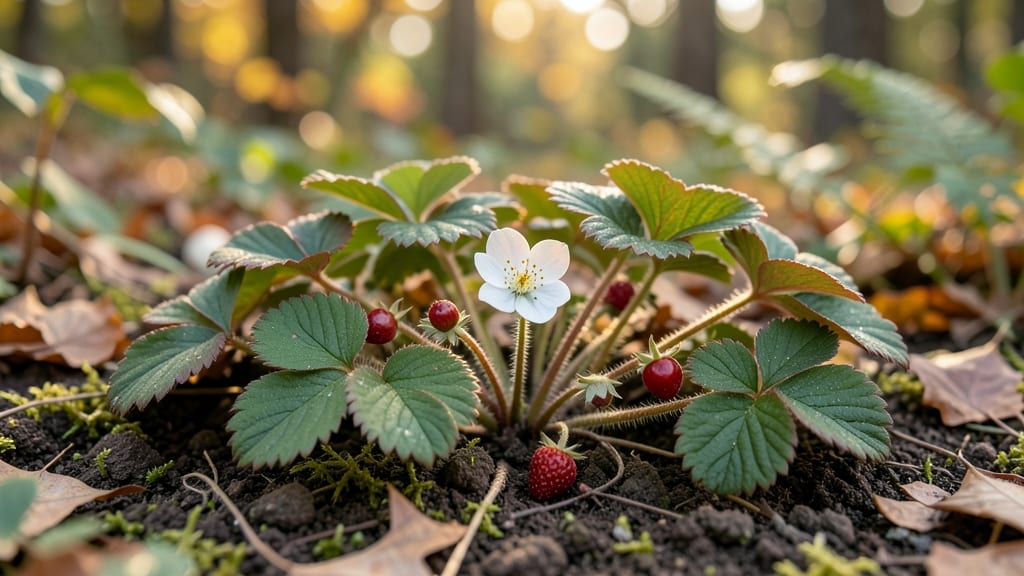
Cold-stratified wild strawberry seeds grow into lush ground covers that outcompete grass—unless you act fast. 🌱 I’ve turned my patchy lawn into a uniform green carpet by mastering this two-step process: breaking seed dormancy through cold treatment, then transplanting before they spread.
The key? Timing your moves so the seedlings don’t take over before you reclaim control.
You’ll need a simple setup: a plastic bag, some damp paper towels, and a freezer for the cold treatment (about 4-6 weeks). Once sprouted, these little powerhouses grow aggressively—so have a trowel ready to dig them out before they root deeper than your lawnmower blade.
The trade-off? Those same seeds attract pollinators and produce tiny, sweet berries if left unchecked.
By mid-spring, you’ll spot the first bright green leaves pushing through the grass—your cue to either pull them or relocate them to a flower bed. The goal is to stop them before they form runners, which can smother your lawn in just one growing season.
With the right approach, you’ll have a lawn that’s uniform and weed-free by summer.
Pro tip: If you’re dealing with an established patch, spot-treat with corn gluten meal in early spring to prevent new seeds from germinating. It’s organic, non-toxic, and works best when applied before the soil warms up.
The faster you act, the easier it is to keep your lawn looking its best—without sacrificing those edible surprises for birds and bees.
📚 In This Guide
- What you need
- Instructions
- Tips and common mistakes
- Wrapping up and next steps
What you need
- ● Wild strawberry seeds: 1–2 packets (500–1,000 seeds per packet). Look for Fragaria vesca or "Alpine strawberry" varieties for best results.
- ● Seed-starting mix: 1–2 cups of sterile, well-draining potting soil (avoid garden soil—it may harbor pests or diseases).
- ● Small seed trays or biodegradable pots: 12–24 cell trays or 2–3 inch pots (one per seedling).
- ● Spray bottle: For gentle watering (avoid over-saturating seeds).
- ● Plastic bag or humidity dome: To create a mini greenhouse effect during germination.
- ● Refrigerator (for cold stratification): A standard fridge with a crisper drawer (40–50°F / 4–10°C is ideal).
- ● Grow lights or sunny windowsill: A south-facing window or LED grow lights (12–16 hours of light daily after stratification).
- ● Seedling heat mat: Speeds up germination if your home runs cool (70–75°F / 21–24°C).
- ● Fertilizer (low-dose): A balanced, water-soluble fertilizer (5-5-5 NPK) for post-stratification growth.
- ● Mulch or straw: To retain moisture in your lawn once seedlings are transplanted.
- ● Garden twine or labels: For organizing trays and tracking seedling progress.
- ● Lawn-friendly herbicide (spot treatment): Only if your lawn has weeds—apply before transplanting strawberries.
Step-by-step instructions for growing wild strawberries in your lawn
Here's how to get those sweet, tiny berries thriving in your yard—starting with the fastest germination method.
🌱 Step 1: Collect and Prepare Wild Strawberry Seeds
Gather ripe wild strawberries from your yard or a local source in late summer or early fall. The seeds are the tiny specks on the outside of each berry. Rinse them thoroughly to remove any fruit residue, then spread them on a paper towel to dry completely. This prevents mold during cold stratification.
Once dry, store the seeds in a sealed container with a bit of damp sand or a paper towel. Place the container in the refrigerator for 6-8 weeks—this mimics winter conditions and breaks seed dormancy. You'll know stratification worked when the seeds sprout after just 1-2 weeks of warmth.
💧 Step 2: Stratify Seeds for Fast Germination
After refrigeration, remove the seeds and place them in a small container with a moistened paper towel or a shallow tray of damp sand. Cover with another paper towel or lid to maintain humidity. Keep them in a warm, dark place—like on top of your fridge—until they sprout, which should happen within 7-14 days.
Don't skip this step—wild strawberry seeds need cold treatment to germinate properly. If you rush it, you'll end up waiting months for slow, unreliable sprouts. Once you see tiny roots or green shoots, they're ready to plant.
☀️ Step 3: Plant Sprouted Seeds in Lawn Edges
Choose a sunny or partially shaded area along your lawn's edge, where the soil stays slightly moist but well-drained. Wild strawberries thrive in full sun to light shade and prefer loose, sandy soil. Plant the sprouted seeds ¼ inch deep, spacing them 6 inches apart in rows or clusters.
Water gently after planting to settle the soil around the seeds. Avoid heavy watering—wild strawberries hate soggy roots. Mulch lightly with straw or grass clippings to retain moisture and suppress weeds, but leave enough space for new shoots to emerge.
🌿 Step 4: Encourage Growth and Spread
Once seedlings appear—usually within 2-3 weeks—keep the soil consistently moist but not waterlogged. Wild strawberries spread via runners, so let them grow undisturbed for the first 4-6 weeks. You'll see tiny leaves develop into heart-shaped foliage, followed by delicate white flowers in spring.
If birds or pests become an issue, cover young plants with floating row covers until they're established. Wild strawberries are tough once mature, but young plants need protection. Thin seedlings if they grow too close, leaving the strongest ones to spread naturally.
⏰ Step 5: Maintain for Year-Round Harvests
After the first harvest, wild strawberries will spread on their own, creating a low-growing ground cover. Water during dry spells, but avoid overwatering—these plants prefer moderate moisture and tolerate drought better than most lawn plants. Fertilize lightly in early spring with a balanced organic fertilizer to encourage healthy growth.
Harvest berries when they're fully red and slightly soft to the touch—usually in late spring or early summer. The faster you plant and care for them, the sooner you'll enjoy sweet, tiny strawberries popping up all over your lawn edges.
Tips & tricks for growing wild strawberries in your lawn
Here's what I learned after watching my first batch of wild strawberries thrive—and how to avoid the mistakes that nearly killed my second attempt.
Cold Stratification is Non-Negotiable: That 6-8 week refrigerator period isn't optional—it's what breaks the seed's dormancy. I tried skipping it once and waited three months for germination. Trust me, the cold treatment works. If you're short on time, start your stratification in early winter so seeds are ready to plant by spring.
Humidity is Key During Germination: In Step 2, when you place those seeds on the moist paper towel, don't just dampen it—press out excess water. You want it damp like a wrung-out sponge, not soggy. I learned this the hard way when mold took over my first batch. A clear plastic bag with tiny holes punched in it works perfectly to maintain humidity without trapping moisture.
Planting Location Matters More Than You Think: The instructions mention full sun to light shade, but here's the secret: wild strawberries actually prefer the dappled sunlight you get under mature trees or along fence lines. Too much direct sun can dry out the soil too quickly, while too much shade slows growth. I planted mine under my oak tree where the sunlight filters through—perfect conditions.
Patience Pays Off with Runners: Those 4-6 weeks of letting runners grow undisturbed might feel like forever, but it's crucial. If you thin too early, you'll stunt the plant's ability to spread. I waited until I saw the runners start to root into the soil before I carefully separated them—now I have strawberries popping up everywhere in my yard.
Pro Tips for Wild Strawberry In Lawn
- Here's what I learned after watching my first batch of wild strawberries thrive—and how to avoid the mistakes that nearly killed my second attempt.
- Cold Stratification is Non-Negotiable: That 6-8 week refrigerator period isn't optional—it's what breaks the seed's dormancy.
- Humidity is Key During Germination: In Step 2, when you place those seeds on the moist paper towel, don't just dampen it—press out excess water.
Frequently asked questions
Got questions about those tiny wild strawberries popping up in your lawn? You’re not alone! Here are some of the most common concerns—and straightforward answers—to help you manage (or even embrace) these little red surprises.
Are wild strawberries harmful to my lawn?
Not at all! Wild strawberries (Fragaria vesca) are non-invasive perennials that won’t smother your grass or spread aggressively. In fact, they can add a touch of color and even attract pollinators. If you’re happy with their presence, let them thrive—or harvest them for a sweet snack! Just mow them down if they’re in high-traffic areas.
When is the best time to harvest wild strawberries?
Timing is everything! Wild strawberries typically ripen in late spring to early summer (May–July, depending on your climate). Harvest them when they’re fully red and slightly soft to the touch—usually within 2–3 weeks of flowering. Go early in the morning for the juiciest berries, and avoid rain-soaked fruit to prevent mold.
Can I transplant wild strawberries to a garden bed?
Wild strawberries are easy to relocate. Dig up small plants (with roots intact) in early spring or fall, replant them in well-draining soil with partial sun, and water lightly. They’ll establish quickly and may even produce more berries than their lawn counterparts. Just give them space—they spread via runners over time.
How do I stop wild strawberries from spreading everywhere?
If you’d rather keep them contained, mow them before they fruit (late winter/early spring) to prevent seed production. For stubborn patches, hand-pull them (roots and all) or smother them with mulch. Note: They’re not weeds—they’re just eager to share their charm! Consider a dedicated "strawberry patch" if you love them.
Are wild strawberries safe to eat, and how do I use them?
Yes! They’re edible, nutritious, and packed with antioxidants. Enjoy them fresh, toss them into salads, or blend them into smoothies (their flavor is milder than store-bought). For a sweet treat, make jam or infuse them in syrup. Just wash them thoroughly before eating—lawns can harbor dirt or pesticides.
Why aren’t my cold-stratified wild strawberries germinating?
Cold stratification mimics winter conditions, but sometimes seeds need extra coaxing. Ensure they’ve been chilled for 4–8 weeks in moist paper towels, then planted in well-draining soil. If they’re still slow, try scratching the seed coat lightly with sandpaper (to break dormancy) or soak them in warm water for 24 hours before planting.
Wrapping up and next steps
Discovering wild strawberries thriving in your lawn isn’t just a quirky surprise—it’s a delicious opportunity to grow your own sweet harvest with minimal effort! By mastering cold-stratification, you unlock faster germination and healthier plants, turning your yard into a berry-producing paradise. 🌱
Ready to take the next step? Start by gathering seeds and supplies, then follow the cold-stratification method outlined above. With patience and care, you’ll soon enjoy homegrown strawberries—straight from your lawn to your plate! Happy gardening! 🍓✨