
Lawn
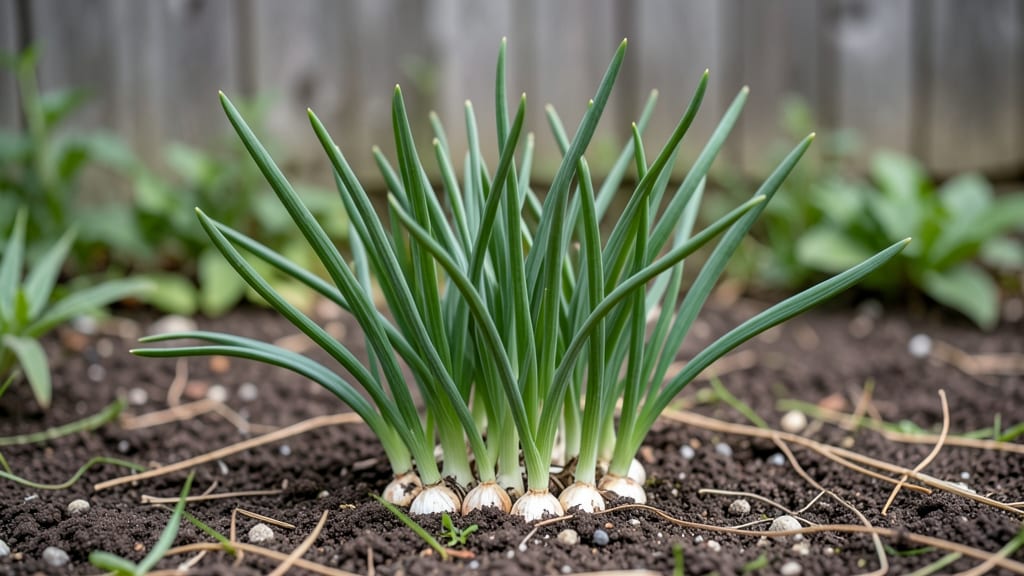
Wild onions in your lawn don’t just ruin the look—they multiply like weeds with a vengeance. 🌱 I’ve spent years battling these stubborn invaders, and I’ve finally cracked the code for removing them without sacrificing your grass.
The secret lies in timing, the right tools, and a method that pulls them out by the roots for good.
Most people grab herbicides first, but that kills grass too. Instead, focus on late spring or early fall when onions are actively growing. A simple hand-pulling technique with a fork or weeding tool works best—just twist to break the roots completely.
For stubborn patches, a vinegar-based spray (3% acetic acid) does the job without harming your lawn.
You’ll see results within 2-3 weeks of consistent removal, with fewer onions popping up each season. The key is vigilance: check your lawn after rain when soil is soft, and fill bare spots with grass seed to prevent regrowth. It’s a battle, but one you can win without chemicals.
Works for any lawn type, from shady patches to sunny backyards. Once you master this, your grass will stay thick and your neighbors will ask for your secret. Let’s get those onions out for good!
The Hidden Triggers Behind Lawn Invaders
If your lawn is suddenly dotted with wild onions—those stubborn, grass-like plants with a sharp bite—you’re not alone. These hardy perennials thrive in conditions that might seem ideal for your grass, but they exploit gaps in care to take over.
Understanding why they appear is the first step to reclaiming your yard without damaging the turf you’ve worked so hard to maintain. Below, we break down the science-backed reasons wild onions (and their relatives, like wild garlic) pop up uninvited.
Wild onions are perennial survivors, meaning they return year after year from seeds or underground bulbs. Even if you’ve never seen them before, dormant seeds could have been lying in wait for decades—some can remain viable for 10+ years.
These seeds are often spread by wind, animals, or even contaminated soil from garden centers or neighboring properties. Once conditions align—like disturbed soil or reduced competition from grass—they germinate en masse.
Why it happens:
- Seed banks: Undisturbed lawns can harbor thousands of dormant wild onion seeds per square foot. Tilling, aerating, or even mowing can trigger germination by exposing them to light and air.
- Animal activity: Birds, squirrels, and even deer consume wild onions and disperse seeds through their droppings. A single squirrel can unknowingly plant dozens of seeds in your yard.
- Contaminated tools/sod: Reusing garden tools, sharing soil, or installing pre-grown sod can introduce seeds or bulb fragments.
Actionable insight: If your lawn has never had wild onions, the issue might be recent—perhaps from last year’s renovations or a new batch of topsoil. Test a small area by digging 2–3 inches deep; you may find tiny, papery seed coats or miniature bulbs.
Wild onions are opportunistic weeds that capitalize on lawns where grass struggles. They prefer cool seasons (spring and fall) and thrive in moist, well-drained soil with partial sun. If your lawn’s health is declining due to neglect, these invaders fill the void—often outcompeting grass for nutrients and water.
Why it happens:
| Lawn Stress Factor | How It Helps Wild Onions |
|---|---|
| ✅ Thin or patchy grass | Gaps in turf create open space for seeds to germinate and establish roots. |
| ✅ Overwatering or poor drainage | Wild onions love moisture. Soggy spots or lawns watered daily create perfect conditions. |
| ✅ Low mowing heights | Cutting grass too short weakens roots, reducing competition and allowing onions to spread. |
| ✅ Compacted soil | Compacted areas restrict grass roots but leave room for wild onions’ shallow, fibrous systems. |
Actionable insight: Wild onions often appear in specific zones—like shady edges, low spots, or areas near sidewalks. Take note of these patterns; they’ll guide your targeted treatment plan.
Some common lawn maintenance practices unintentionally encourage wild onions by creating the perfect environment for their growth. For example, over-fertilizing with high-nitrogen feeds can boost their leafy growth, while under-fertilizing weakens grass, leaving them to dominate. Even "helpful" tasks like aerating can wake up dormant seeds.
Why it happens:
- 🔥 Excessive nitrogen: Wild onions respond aggressively to high nitrogen, producing more leaves and bulbs. If your grass is lush but your lawn still has weeds, the issue might be too much fertilizer.
- 🍳 Skipping overseeding: Bare patches from disease, drought, or foot traffic give wild onions a foothold. Without reseeding, they fill the gaps faster than grass.
- 👨🍳 Improper mowing: Mowing too short (below 2.5–3 inches) stresses grass and leaves onion leaves exposed to sunlight, speeding up their growth.
- 🔪 Herbicide misuse: Broadleaf herbicides often miss grass-like weeds. If you’ve used them recently, wild onions may have slipped through.
Actionable insight: Review your lawn care routine. If you’ve recently changed fertilizers, mowing habits, or skipped aeration, these shifts could explain the sudden onset of wild onions.
Lawns aren’t natural ecosystems—they’re artificial monocultures of grass. When the balance tips (due to climate, pests, or soil changes), wild onions and other weeds move in to fill ecological niches.
For example, drought-resistant wild onions thrive in dry spells when grass wilts, or they outcompete weak turf in shaded areas where sunlight is limited.
Why it happens:
- 🌡️ Climate shifts: Warmer winters or wetter springs can delay grass dormancy, giving wild onions a head start in early spring.
- 🐜 Pest/disease damage: Grubs, chinch bugs, or fungal infections weaken grass roots, creating ideal conditions for wild onions to take over.
- 🌳 Shade changes: New trees, fences, or structures can alter sunlight exposure, favoring shade-tolerant weeds like wild onions.
Actionable insight: Observe your lawn’s "hotspots" for wild onions. Are they near new plantings? In consistently damp areas? Noting these clues helps you address the root cause—literally.
Eliminate Wild Onions Safely
Wild onions may seem harmless, but their invasive roots can disrupt your lawn’s health and spread rapidly. The good news? You can tackle them effectively without harming your grass.
Below are targeted solutions based on the root cause—whether it’s overgrowth, poor soil conditions, or manual spread—along with prevention tips to keep your lawn lush and weed-free.
If wild onions are popping up in patches, they’ve likely taken root from seeds or bulb fragments. The key is to remove them completely before they reseed.
🔥 Step 1: Identify and Dig Out Mature Plants
- When to act: Early spring or fall (when onions are actively growing).
- How to do it:
- Wear gloves and kneel to inspect your lawn for long, grass-like blades with a mild onion scent when crushed.
- Use a hand trowel or weeding knife to dig at least 6 inches deep—wild onions have long, fibrous roots that regrow if left behind.
- Pull gently to avoid breaking the bulb; discard plants in a sealed bag (don’t compost!).
🍳 Step 2: Smother or Solarize Problem Areas
- For stubborn patches: Cover the area with black plastic sheeting for 4–6 weeks in hot sun.
This bakes the soil and kills roots. - Alternative: Apply a thick layer of mulch (straw or cardboard) to block sunlight until the onions weaken.
👨🍳 Step 3: Replant Grass Seed
- After treating the area, aerate the soil and overseed with tall fescue or Kentucky bluegrass (both crowd out weeds).
- Water lightly for 10–14 days to help seeds germinate.
Poor soil pH or nutrient imbalances can encourage wild onions. Test your soil and make adjustments to starve them out.
💡 Pro Tip: Test Your Soil
- Use a DIY soil test kit (available at garden centers) to check pH and nutrient levels.
- Ideal pH for lawns: 6.0–7.0. If your soil is too alkaline (high pH), wild onions thrive.
✨ Step 1: Lower Soil pH Naturally
- Add sulfur or peat moss to acidic areas (follow package instructions).
- Compost or well-rotted manure can improve soil structure and outcompete weeds.
🎯 Step 2: Fertilize Properly
- Avoid high-nitrogen fertilizers early in the season—wild onions love nitrogen-rich soil.
- Use a balanced, slow-release fertilizer (like 10-10-10) in spring and fall to support grass over weeds.
Wild onions reproduce via bulbs, seeds, and even underground runners. Break the cycle with these long-term strategies:
🌿 Step 1: Mow High and Often
- Keep your lawn 3–4 inches tall—taller grass shades out weeds and competes for resources.
- Bag and dispose of clippings if wild onions are present (seeds can hitch a ride).
🚫 Step 2: Avoid Overwatering
- Wild onions love moist soil. Water deeply 2–3 times per week (early morning) and let grass dry slightly between sessions.
🛡️ Step 3: Apply Pre-Emergent Herbicide (If Needed)
- Best time: Late winter/early spring (before onions sprout).
- Choose a grass-safe pre-emergent (like corn gluten meal—a natural option that also fertilizes).
- Avoid post-emergent herbicides—they can harm grass and leave chemical residue.
🌱 Step 4: Introduce Competitive Ground Covers
- Clover or creeping red fescue can choke out wild onions while improving soil health.
- Plant native grasses that thrive in your climate—many naturally resist weeds.
If you’re dealing with scattered wild onions and need fast results, try these low-effort methods:
| Method | How It Works | Best For |
|---|---|---|
| Boiling Water | Pour 1–2 cups of boiling water directly on the base (avoid grass). Kills roots on contact. | Small, isolated plants |
| Vinegar Spray | Mix 1 gallon white vinegar + 1 oz dish soap. Spray only on weeds (not grass). Repeat weekly. | Weed-heavy areas (spot treatment) |
| Salt (Use Sparingly!) | Sprinkle rock salt around the base (avoid overuse—harms soil). | Last-resort for stubborn patches |
✅ Inspect lawn monthly for new growth. ✅ Remove any wild onions immediately—don’t let them go to seed! ✅ Improve soil health with compost and proper fertilization. ✅ Mow and water correctly to discourage weed growth. ✅ Consider professional help if the infestation is large.
With persistence, your lawn can reclaim its green glory—wild onion-free! 🌿💪
Frequently asked questions
How can I tell if those grass-like plants are wild onions?
Look for slender, hollow stems with a mild onion scent when crushed—wild onions have a distinctive smell. Their leaves are long and flat, growing in clusters, and they produce small white flowers in late spring. Unlike grass, they have a papery, onion-like bulb at the base when dug up.
Will vinegar really kill wild onions without harming my grass?
Only if you use it carefully! A 1:1 vinegar and water mix (with a drop of dish soap) targets weeds selectively. Apply only on dry, sunny days and avoid grass blades. For best results, reapply weekly until the onions die back. Test a small area first.
How deep do I need to dig to remove wild onion roots completely?
Dig at least 6 inches deep—wild onions have long, fibrous roots that regrow if left behind. Use a weeding fork or trowel to loosen the soil completely around the bulb. Pull gently to avoid breaking the root system, which can cause regrowth.
Can I use corn gluten meal to prevent wild onions from coming back?
Yes! Corn gluten meal is a natural pre-emergent herbicide that works by blocking seed germination. Apply 10 pounds per 1,000 sq ft in early spring before onions sprout. It also adds organic nitrogen to your soil, helping grass outcompete weeds.
What's the best time of year to tackle wild onions in my lawn?
Target them in late spring or early fall when they're actively growing. This makes removal easier and reduces regrowth chances. Avoid treating in winter when they're dormant or summer when they're stressed from heat.