
Lawn
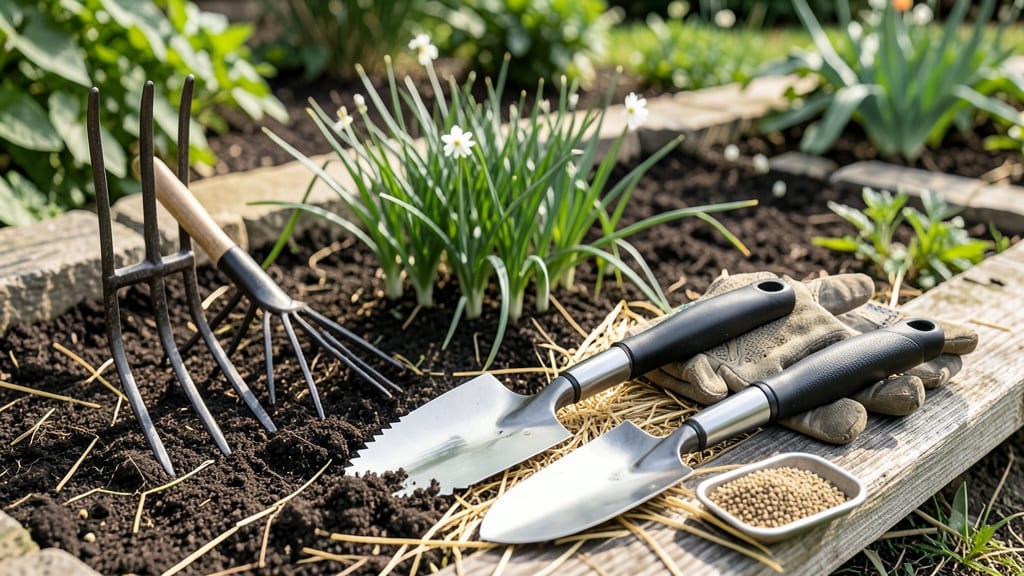
Boiling water spot-treats wild onions in your lawn faster than any other method—no chemicals, no regrowth headaches. 🌱 I’ve spent years battling these tenacious weeds, and this technique pulls them up by the roots in minutes. The key? Precision timing and a steady hand—no fancy tools needed.
Most people grab a shovel and dig, only to find new shoots popping up weeks later. That’s because you’re missing the roots. Boiling water kills the entire plant system in one go, including those sneaky underground bulbs. We’re talking permanent removal with just a kettle and a sunny afternoon.
By the end of this, your lawn will look spotless and healthy—no more pungent onion smell when you mow. The method works on patches or full lawns, and you’ll skip the herbicide bottle entirely. Just grab your supplies and let’s tackle this weed war.
Works for all lawn types, from shady backyards to sunny front yards. No waiting, no guesswork—just results. Let’s get started!
Root Causes Of Lawn Invaders
Wild onions—those pesky, grass-like weeds with a strong garlic scent—don’t just pop up randomly in your lawn. Their presence is usually a sign of underlying conditions that create the perfect environment for their growth.
Understanding why they thrive helps you tackle the problem at its source. Let’s break down the key factors driving these unwelcome guests into your yard.
Wild onions (often Allium vineale or Allium canadense) love disturbed, nutrient-poor, or compacted soil. Here’s why:
- Low Organic Matter: Healthy lawns with rich, well-aerated soil discourage weeds. Wild onions thrive in thin, bare patches where grass struggles to compete, often due to:
- Over-fertilization with high-nitrogen, low-organic fertilizers (which can burn grass roots).
- Lack of compost or mulch, leading to depleted soil structure.
- Compacted Soil: Foot traffic, heavy machinery, or clay-heavy soil compresses the ground, reducing oxygen and water availability for grass. Wild onions, with their shallow but resilient root systems, exploit these gaps.
- pH Imbalances: Wild onions prefer slightly acidic to neutral soil (pH 6.0–7.0). If your lawn’s pH is too high (alkaline) or too low (acidic), grass weakens, leaving space for invaders.
💡 Pro Tip: Test your soil’s pH and organic content with a DIY kit. Amend compacted areas with gypsum or sand and boost organic matter with compost or peat moss.
Wild onions are opportunistic weeds that capitalize on excess moisture and sunlight, two conditions that often coincide in lawns. Here’s how:
| Factor | Why It Helps Wild Onions |
|---|---|
| Overwatering | Wild onions detest drought but thrive in consistently damp soil. Overwatering (especially in shady or low-lying areas) creates the perfect moisture buffer for their seeds to germinate and roots to spread. |
| Poor Drainage | Lawns with clay or hardpan layers trap water, leading to soggy patches where grass dies back. Wild onions outcompete struggling grass in these zones. |
| Full Sun Exposure | While wild onions tolerate partial shade, they flourish in sunny areas where grass may be heat-stressed or thin due to: |
💡 Pro Tip: Improve drainage by aerating your lawn in spring/fall and overseeding with drought-tolerant grass varieties like tall fescue or buffalo grass.
Wild onions don’t just sprout from random seeds—they’re highly efficient spreaders thanks to:
- Wind-Dispersed Seeds: A single wild onion plant can produce hundreds of tiny, lightweight seeds that travel up to 10 feet on the wind. These seeds lie dormant for years until conditions (like soil disturbance) trigger germination.
- Animal Assistance: Birds, rodents, and even lawnmowers unknowingly spread seeds. For example:
- Birds eat the bulbs or seeds and deposit them elsewhere via droppings.
- Mowing chops up plants, scattering seeds into fresh soil.
- Underground Bulbs: Wild onions reproduce via bulbils (small bulb-like structures) that form at the base of the plant. These detach easily when pulled or tilled, creating new plants in disturbed soil.
⚠️ Warning: If you’ve had wild onions before, do NOT till the lawn—this can explode dormant seeds and bulbs, worsening the infestation.
Even well-maintained lawns can fall victim to wild onions if human habits create openings. Common culprits include:
- Thin or Patchy Grass: Bare spots from disease, pet urine, or foot traffic give wild onions a foothold. They germinate 2–3 times faster than grass seeds in disturbed soil.
- Improper Mowing: Cutting grass too short (below 2–3 inches) stresses the lawn, reducing competition. Wild onions, with their low-growing habit, fill the gaps.
- Lack of Overseeding: Skipping fall overseeding leaves thin areas vulnerable. Wild onions outgrow sparse grass by 60–80% in a single season.
- Herbicide Misuse: Overusing pre-emergent herbicides can kill grass seeds but leave room for wild onions, which often germinate later in the season.
💡 Pro Tip: Mow at 3–4 inches in summer and 2.5–3 inches in cooler months to shade out weeds. Use a sharp mower blade to avoid tearing grass, which invites disease.
Quick Fixes for Wild Onion Woes
Wild onions may seem stubborn, but with the right approach, you can reclaim your lawn—without resorting to harsh chemicals or hours of backbreaking work. Below, we’ve mapped out practical, targeted solutions based on the root causes of your wild onion problem (pun intended).
Whether they’re popping up due to poor soil, seed spread, or neglect, these methods will help you eliminate them fast and keep them from staging a comeback.
If your wild onions are few and far between, digging them out by hand is the most eco-friendly first step. The key? Get the whole bulb—even a sliver left behind will regrow.
How to do it:
- 👨🍳 Identify the Problem: Wild onions have long, grass-like leaves and round bulbs (often purple or white). Pull a few to confirm before treating the whole lawn.
- 🔪 Dig Deep: Use a garden fork or trowel to loosen the soil around the base. Grip the bulb firmly and pull upward—resist the urge to twist, as this can snap the bulb.
- 🗑️ Dispose Properly: Do not compost the bulbs—they’ll sprout again! Instead, bag them and toss them in the trash or burn them (if local laws allow).
- 🌱 Fill the Gap: Replace the hole with fresh topsoil and reseed or sod the area to prevent regrowth.
Pro Tip: 💡 Do this on a dry day—wet soil makes bulbs harder to extract. Early morning or late evening is ideal to avoid the midday sun.
For stubborn patches or when manual removal isn’t practical, boiling water is a non-toxic, effective way to kill wild onions on contact. This method works best for small to medium infestations and is especially useful for lawns with kids or pets.
How to do it:
- ⏰ Timing Matters: Apply boiling water early in the morning or late afternoon to avoid damaging nearby grass.
- 🔥 Prepare the Water: Boil 2–3 gallons of water per treatment area. For larger patches, use a large pot or a dedicated boiling water sprayer (available at garden centers).
- 💦 Target the Base: Slowly pour the boiling water directly over the wild onion bulbs and roots. Aim for the soil around the base—this ensures the heat penetrates deep enough to kill the entire plant.
- 🌡️ Monitor & Repeat: Check the area in 3–5 days. If any green regrowth appears, treat again with boiling water or switch to a vinegar solution (see below).
Pro Tip: ✨ For extra potency, add 1 tablespoon of dish soap to the boiling water. This helps break down the plant’s protective layers, ensuring deeper penetration.
If you prefer a ready-to-use spray, a vinegar-based herbicide is a great alternative. It’s fast-acting, non-toxic to pets (once dry), and won’t harm your lawn if used correctly.
How to make it:
- 1 gallon of white vinegar (5% acetic acid or higher)
- 1 cup of salt
- 1 tablespoon of dish soap (as a surfactant)
How to apply:
- 🍹 Mix the Solution: Combine all ingredients in a spray bottle or pump sprayer.
- ☀️ Apply on a Sunny Day: Spray directly onto the wild onion leaves and soil around the base. Avoid spraying healthy grass—vinegar can kill it too!
- 💦 Reapply as Needed: Wild onions may take 1–2 weeks to fully die. Reapply if regrowth appears.
Pro Tip: 🎯 For spot treatment, use a paintbrush or small spray nozzle to target only the wild onions and minimize grass damage.
Wild onions thrive in poor soil and sunlight. To prevent future outbreaks, focus on lawn health and suppression.
How to smother them:
- 🌿 Mow High: Keep your lawn 3–4 inches tall. Taller grass shades out weeds, including wild onions, by blocking sunlight.
- 🛏️ Smother with Mulch or Cardboard: For heavily infested areas, cover the soil with thick cardboard or landscape fabric for 4–6 weeks. This blocks sunlight, killing the bulbs. Top with mulch or new grass seed afterward.
- 🌱 Improve Soil Health: Wild onions love nutrient-poor soil. Aerate your lawn in the fall, then top-dress with compost to encourage thick, healthy grass that outcompetes weeds.
Pro Tip: 🔥 Fall is the best time to smother—wild onions are already weakening after summer and won’t bounce back as easily.
Once you’ve banished wild onions, stop them from returning with these low-effort strategies:
- 🌱 Overseed Bare Spots: Thin or bare patches invite weeds. Reseed in early fall with a dense, competitive grass mix (like tall fescue or Kentucky bluegrass). - 💧 Water Deeply & Infrequently: Wild onions hate drought stress.
Water deeply 1–2 times per week to encourage deep grass roots that crowd out weeds. - 🍄 Use Corn Gluten Meal: Apply corn gluten meal in early spring (before weeds sprout).
It’s a natural pre-emergent herbicide that prevents weed seeds from germinating. - 🐞 Encourage Beneficial Insects: Ladybugs and ground beetles eat wild onion seeds. Plant clover or native wildflowers to attract them to your lawn.
Final Note: Consistency is key! Wild onions may take 2–3 treatments to fully disappear, but with these methods, you’ll restore your lawn’s health—naturally and efficiently.
Frequently asked questions
Why do wild onions keep coming back even after I pull them?
Wild onions spread through underground bulbs and seeds that can lie dormant for years. Even a small piece of root left behind will regrow, so always dig deep and remove the entire bulb. The bulbs also produce tiny bulbils that can form new plants, which is why they’re so persistent.
Is boiling water safe for my lawn and pets?
Yes, boiling water is completely safe for your lawn once cooled—it only kills unwanted plants on contact. For pets, wait until the treated area is dry before letting them walk on it. The method is non-toxic and won’t harm grass roots or soil health when used correctly.
How long does it take for vinegar to kill wild onions?
Vinegar typically kills wild onions within 3–7 days of application, but results vary based on concentration and weather. For faster results, use a 5%+ acetic acid vinegar and apply on a sunny day. Reapply if any green regrowth appears after a week.
Can I use corn gluten meal to prevent wild onions from returning?
Yes! Corn gluten meal is a natural pre-emergent herbicide that prevents weed seeds (including wild onions) from sprouting. Apply it in early spring before weeds germinate, following package instructions. It’s safe for lawns and won’t harm established grass.
What’s the best time of year to treat wild onions?
Fall is ideal for treating wild onions because they’re already weakened after summer. Early spring is also effective before they spread seeds. Avoid treating in extreme heat—boiling water or vinegar works best when temperatures are mild (between 50°F–80°F).