
Lawn
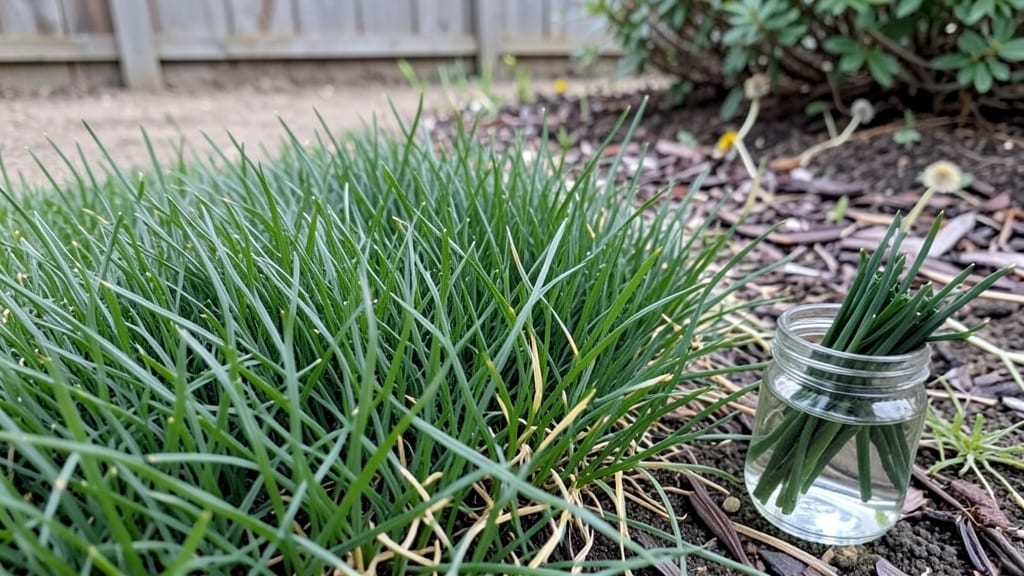
Why does my grass have those dark green patches? They’re not just unsightly—they’re a cry for help from your lawn. 🌱 I’ve spent years diagnosing these mysterious spots, and overwatering is the most common culprit, though shade, thatch buildup, or even fungal growth can play a role. a role.
The good news? You can turn this around with a few targeted fixes.
The first step is identifying the real cause: are the patches spongy (waterlogged), dry at the edges (thatch), or slimy (fungus)? A simple soil test or close inspection reveals clues—like gasses bubbling up when pressed (that’s waterlogged roots).
Once you know the problem, solutions become clear: adjust watering, aerate compacted soil, or apply fungicide if needed.
By next weekend, you’ll see noticeable improvement if you act now. The key is consistency—water deeply but less frequently, mow high to shade roots, and avoid heavy foot traffic on damp grass. Think of it as a reset for your lawn’s health, not a quick fix.
This works for all grass types, from cool-season Kentucky bluegrass to warm-season Bermuda. The secret? Paying attention to what your lawn doesn’t tell you until it’s too late. Let’s get those patches back to a uniform, vibrant green.
Why it happens
Those mysterious dark green patches in your lawn aren’t just a random quirk of nature—they’re often a sign that something specific is happening beneath the surface. Whether it’s a hidden issue with moisture, nutrients, or even pests, understanding the why behind these patches is the first step to fixing them.
Let’s break down the most common causes and what they mean for your grass.
💧 Overwatering or Poor Drainage
If your lawn is too wet—either from overwatering or poor drainage—it can create the perfect conditions for dark green patches. When soil stays saturated, oxygen levels drop, stressing grass roots and encouraging fungal growth (like dollar spot or brown patch).
Overwatering also washes away nutrients, leaving grass clumps starved for essentials like nitrogen, which can cause uneven, darker discoloration in damp areas.
How to spot it:
- Patches feel soggy even days after watering.
- Grass has a musty smell or slimy texture.
- Dark spots appear in low-lying areas where water pools.
Fix it: Adjust your watering schedule to 1–1.5 inches per week (including rain) and improve drainage with sand or gypsum if soil is clay-heavy.
🌱 Excessive Fertilizer or Nutrient Imbalance
Too much nitrogen-rich fertilizer can trigger rapid, dark green growth in isolated spots—especially if applied unevenly. While nitrogen fuels lush grass, overdosing can burn roots, leading to patchy discoloration. Similarly, an imbalance in phosphorus or potassium (like from old fertilizer buildup) can cause grass to stress and darken in response.
How to spot it:
- Dark patches appear right after fertilizing.
- Grass grows faster in spots but looks weak or rubbery.
- Soil tests reveal high salt or nitrogen levels.
Fix it: Use a soil test to check nutrient levels, then switch to a balanced fertilizer (e.g., 10-10-10) or slow-release options like organic compost.
🐜 Fungal Infections or Pest Activity
Dark green patches can also signal hidden fungal infections or pest damage. Fungi like slime mold or rust thrive in moist, shaded areas, creating velvety or slimy dark spots.
Meanwhile, pests such as chinch bugs or grubs feed on roots, causing grass to yellow first, then darken as it dies back.
How to spot it:
- Patches have a fuzzy, moldy, or sticky texture.
- Grass pulls up easily (sign of root damage).
- You see tiny holes, wilting, or insect trails.
Fix it: Treat with fungicide (for mold) or insecticide (for pests), and improve airflow by thinning dense grass or trimming nearby plants.
🌿 Shade or Thatch Buildup
Grass under dense shade or thick thatch layers often grows darker because it’s stunted and struggling. Shade reduces photosynthesis, forcing grass to stretch and darken for sunlight. Meanwhile, thatch (a layer of dead grass between soil and blades) blocks water and nutrients, creating patchy, discolored areas.
How to spot it:
- Dark patches appear in shady corners or under trees.
- Grass feels spongy when you walk on it (thatch buildup).
- Patches are thinner than the rest of the lawn.
Fix it: Dethatch (if layer is >0.5 inches thick) and consider shade-tolerant grass like fine fescue for problem areas.
🌡️ Extreme Heat or Temperature Stress
In hot, dry spells, grass can develop dark green patches as a survival tactic. Some species (like Bermuda grass) go dormant and turn brown, while others overproduce chlorophyll to cope, creating darker, almost purple-tinted spots. Similarly, cold snaps can cause grass to darken temporarily as it recovers.
How to spot it:
- Patches appear suddenly during heatwaves.
- Grass feels crispy or wilted at the edges.
- Dark spots fade over 1–2 weeks if conditions improve.
Fix it: Water deeply in the morning to reduce heat stress and avoid evening watering (which promotes fungus).
Quick Fixes for Dark Green Lawn Spots
If your lawn is showing dark green patches instead of its usual vibrant hue, don’t panic—there are practical, step-by-step solutions to restore balance. The fix depends on the root cause, so let’s tackle each issue head-on with actionable tips.
Whether it’s overwatering, nutrient overload, or shade-related stress, these methods will help you bring your lawn back to a healthy, even green.
💧 Overwatering or Poor Drainage? Fix It Fast
If your grass is soggy or waterlogged, it’s likely suffering from overwatering or compacted soil. Here’s how to drain the excess and improve airflow:
🔥 Step 1: Adjust Your Watering Schedule
- Water deeply but less frequently. Aim for 1–1.5 inches per week (including rain), split into 2–3 sessions (e.g., 30–40 minutes every other day).
- Water in the early morning (4–8 AM). This reduces evaporation and fungal risks.
- Avoid daily light watering. Shallow watering encourages shallow roots and weakens grass.
👨🍳 Step 2: Improve Soil Drainage
- Aerate compacted soil with a core aerator (rent or buy one) to create channels for water and air.
- Add organic matter like compost or peat moss to loosen heavy clay soils.
- Check for grading issues. If water pools in low spots, regrade or install a French drain.
⏰ Step 3: Let It Dry Out
- If your lawn is chronically wet, skip watering for 3–5 days to let the soil dry. Grass can recover if given time to breathe.
💡 Pro Tip:
Test your soil’s drainage by digging a 6-inch hole, filling it with water, and timing how long it takes to drain. If it takes more than 6 hours, your soil needs help.
🌱 Too Much Fertilizer? Flush & Reset
Dark green patches from excess nitrogen or fertilizer burn need immediate dilution. Follow these steps to reverse the damage:
🔥 Step 1: Flush the Soil
- Water heavily (1–2 inches) to leach out excess fertilizer. Repeat 2–3 times over a week.
- Avoid fertilizing until the patches fade (usually 7–14 days).
🍳 Step 2: Mow Higher to Reduce Stress
- Set your mower to 3–4 inches to shade the roots and prevent further burn.
- Bag the clippings to avoid recycling nutrients back into the soil.
🌡️ Step 3: Apply a Soil Conditioner
- Mix compost or a slow-release organic fertilizer (like milorganite) into the soil to balance nutrients.
- Avoid synthetic fertilizers until the lawn recovers.
✨ Pro Tip:
If your grass turns yellow-brown after fertilizing, it’s a sign of burn. Switch to a low-nitrogen, high-potassium fertilizer (like 5-10-10) to promote recovery.
🌳 Shady or Uneven Growth? Boost Light & Care
If dark green patches appear in shady or low-traffic areas, your grass may be struggling with light deprivation or moss invasion. Try these fixes:
🔥 Step 1: Thin Out Dense Growth
- Mow slightly higher (3.5–4 inches) to encourage deeper roots and reduce competition.
- Dethatch if the thatch layer is >0.5 inches thick—use a rake or dethatching machine.
🍳 Step 2: Improve Airflow & Light
- Trim overhanging branches to let 4–6 hours of sunlight reach the patch.
- Remove moss with a vinegar spray (1 part vinegar to 1 part water) or a moss killer (follow label instructions).
🌡️ Step 3: Choose Shade-Tolerant Grass
- If the area stays shady, overseed with fine fescue or Kentucky bluegrass (both handle low light better).
- Aerate and top-dress with sand/compost to improve root health.
🎯 Pro Tip:
For stubborn moss, sprinkle iron sulfate (a natural moss killer) in the affected area. It’ll turn moss black and decompose within weeks.
🛡️ Prevent Dark Green Patches for Good
Once your lawn is back on track, keep these preventive habits to avoid future issues:
- 📊 Test your soil annually (use a DIY kit from a garden center) to adjust pH and nutrients.
- 💪 Mow regularly (never remove >⅓ of the blade at once) to avoid stress.
- 🥗 Water wisely—use a rain gauge or tuna-can test to monitor moisture.
- 🍎 Avoid heavy foot traffic on wet grass to prevent compaction.
- ✨ Rotate fertilizer types (e.g., switch between organic and synthetic) to prevent buildup.
With the right adjustments, your lawn will bounce back to a lush, even green—no more mysterious dark patches! 🌿💚
Frequently asked questions
Why do dark green patches appear suddenly?
Sudden dark green patches often signal overwatering or nutrient overload. Too much moisture cuts off oxygen to roots, while excess nitrogen from fertilizer forces rapid, uneven growth. Check if the soil feels soggy or if patches emerged right after fertilizing—both are red flags!
How can I tell if it’s overwatering vs. shade causing the patches?
Overwatering creates soggy, musty-smelling spots in low areas, while shade causes thinner, darker grass under trees. Press the patch—if it feels spongy, it’s likely waterlogged. If it’s dry but under shade, sunlight deprivation is the culprit.
Can I fix dark green patches without chemicals?
Start by adjusting your watering to 1–1.5 inches weekly and aerate compacted soil. For shade, thin dense growth and add shade-tolerant grass like fine fescue. Compost or organic fertilizers also balance nutrients without harsh chemicals.
Why do patches sometimes fade on their own?
If patches fade, your lawn may have temporarily stressed from heat or cold. Grass often recovers when conditions improve, but if they return, it’s a sign of deeper issues like pests or fungal growth. Monitor for recurring patterns.