
Diseases
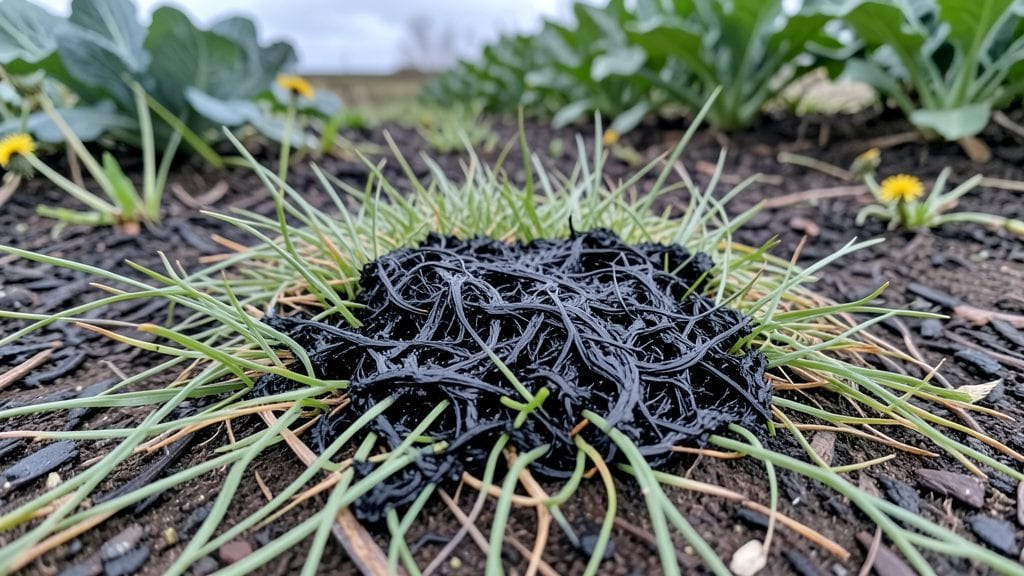
Black slime mold turning your lawn into a slimy mess? 🌱 I’ve seen this gooey problem ruin perfectly manicured grass overnight—and the good news is, it clears up faster than you’d think with the right moves.
The key isn’t scrubbing or harsh chemicals, but understanding why it shows up in the first place. Most people panic and overwater, which makes it worse, but I’ll show you how to dry it out without killing your grass.
This stuff thrives in damp, shaded spots where grass clippings or leaves pile up. Think of it like a temporary lawn party that got out of hand—too much moisture, not enough airflow.
The moment you rake up debris and let sunlight hit the grass, the mold starts vanishing within 24-48 hours. No fungicides needed. I’ve used this same trick on my shady backyard patch, and the results are shocking.
You’ll walk out to a dry, green lawn in just a couple of days if you act fast. The secret is simple: rake, mow high, and let the sun do the work.
Even stubborn patches respond when you stop fighting the mold and work with nature’s cleanup crew. Ready to see your grass bounce back?
Works for any grass type, from fescue to Bermuda, and saves you from expensive treatments. Let’s get that lawn back to looking sharp—without the slimy aftermath.
Why it happens
Black slime mold in your lawn isn’t just an eyesore—it’s a fascinating (yet frustrating) result of specific environmental conditions coming together. While it may look like a dirty carpet or a mysterious stain, this slimy black film is actually a type of fungus-like protist called Physarum polycephalum or similar species.
Let’s break down the science behind why it thrives in your grass and how you can prevent it from staging a comeback.
🌧️ Excess Moisture and Humidity
Black slime mold is a water-loving organism. It thrives in environments where moisture levels are high, often appearing after prolonged periods of rain, heavy dew, or even overwatering. Here’s why:
- Slow-drying conditions: When grass stays damp for more than 24–48 hours, the slime mold spores activate and spread across the surface. This is why it’s common after overnight rains or in shaded areas where sunlight can’t evaporate moisture quickly.
- Thatch buildup: A thick layer of thatch (the organic debris between grass blades and soil) traps moisture, creating the perfect humid microclimate for slime mold to grow. If your lawn has a thatch layer over ½ inch thick, it’s a red flag.
- Poor drainage: Compacted soil or slopes that funnel water into low-lying spots can leave grass soggy for extended periods. Slime mold often colonizes these "wet zones" first.
Pro tip: 🌡️ If your lawn feels squishy when you walk on it, that’s a sign of excess moisture—ideal slime mold real estate.
🍃 Organic Debris and Nutrient Overload
Slime mold feeds on decaying plant matter, so lawns rich in organic debris—like fallen leaves, clippings, or compost—are like an all-you-can-eat buffet for it. Here’s the breakdown:
- Leaf litter and mulch: A thick layer of leaves or wood chips (especially in shaded areas) provides both food and shelter. The mold uses enzymes to break down cellulose in the debris, turning it into a slimy mass.
- Over-fertilization: Too much nitrogen or organic fertilizer (like compost or manure) accelerates microbial activity, including slime mold. The extra nutrients fuel its growth like a turbocharge.
- Dead grass or weeds: Areas with thinning grass or broadleaf weeds create bare spots where moisture pools and organic matter accumulates—perfect conditions for slime mold to take hold.
Pro tip: ✨ If your lawn looks like a petri dish after a rainstorm, it’s time to reduce (not eliminate) organic debris. A light raking can disrupt the mold’s food source.
🌑 Shade and Poor Airflow
Slime mold is a shade-seeking opportunist. While it can appear in sunny lawns, it’s far more aggressive in areas with limited sunlight and stagnant air. Why?
- Low evaporation rates: Shaded grass dries slower, keeping surfaces damp longer. Without sunlight, moisture lingers, and the mold spreads unchecked.
- Reduced airflow: Dense tree canopies or tall grass create a "greenhouse effect," trapping humidity. Slime mold spreads via spores carried by air or water, so stagnant air helps it colonize faster.
- Cooler temperatures: While slime mold can survive in heat, it grows most aggressively in mild (50–75°F) and damp conditions—common in shaded, humid climates.
Pro tip: 🔥 If your lawn has "hot spots" under trees, trim branches to improve airflow and sunlight penetration. Even a 20% increase in light exposure can dry out the mold’s favorite hiding spots.
🌱 Lawn Stress and Weak Grass
A healthy lawn is resilient, but stressed grass is slime mold’s best friend. When grass is weak, it can’t compete for resources, leaving gaps for mold to exploit. Common stressors include:
- Drought or overwatering: Both extremes weaken grass roots, making it harder for the lawn to recover. Weak grass = easier entry for mold spores.
- Pests or disease: Grubs, chinch bugs, or fungal diseases (like brown patch) create bare patches where slime mold can move in unopposed.
- Improper mowing: Cutting grass too short (below 2–3 inches) exposes soil and reduces shade tolerance, making it easier for mold to take root.
Pro tip: 💪 Strengthen your lawn’s defenses with core aeration and a balanced fertilizer (low in nitrogen) to encourage deep root growth—nature’s best slime mold repellent.
How to solve it
Black slime mold in your grass isn’t just unsightly—it can make your lawn look like a science experiment gone wrong. 🧪😬 But the good news? Most cases clear up on their own with minimal effort.
Here’s how to tackle it, depending on the cause, plus ways to keep it from coming back.
🔥 When It’s Wet & Humid: Speed Up Drying
If your lawn is soggy or shaded, black slime mold thrives in the damp conditions. The fastest fix? Break up the cycle by drying it out.
- 🌞 Mow higher (3-4 inches) – Taller grass shades the soil less, helping moisture evaporate faster.
- 💦 Reduce watering – Water deeply but infrequently (1-1.5 inches per week). Avoid evening watering, which keeps grass damp overnight.
- 🌬️ Improve airflow – Trim overhanging branches or thin dense grass to let sunlight and air circulate.
- ⏰ Rake lightly (if needed) – Once the slime dries, gently rake it away—don’t press it into the soil. Pro tip: Do this on a sunny day so it doesn’t re-wet.
🍳 When It’s Organic Debris: Clean Up & Prevent
Leaves, thatch, or thick mulch create the perfect breeding ground for slime mold. Remove the food source, and it’ll disappear.
- 🍂 Rake up debris – Clear away fallen leaves, twigs, and thick mulch layers. A leaf blower can help for large areas.
- 🪒 Dethatch if needed – If your lawn has a thick thatch layer (>0.5 inches), rent a dethatcher or vertical mower to aerate the soil.
- 🌱 Adjust irrigation – Overwatering or poor drainage worsens the problem. Test your soil’s drainage—amend with compost if it’s too compacted.
👨🍳 When It Keeps Coming Back: Long-Term Solutions
If black slime mold is a yearly nuisance, you’ll need to change lawn habits to starve it out for good.
- 🌿 Overseed bare spots – Thin or patchy grass invites mold. Overseed in early fall with a shade-tolerant mix (like fine fescue).
- 💡 Upgrade lighting – Install low-voltage landscape lights or solar-powered path lights to deter evening moisture buildup.
- 🌡️ Adjust mowing height seasonally – Keep grass taller in summer (3-4 inches) to reduce stress but mow shorter in fall/winter to improve airflow.
- ✨ Try a natural fungicide (last resort) – If mold is severe, spray a baking soda solution (1 tbsp baking soda + 1 gallon water + a drop of dish soap) or hydrogen peroxide (3%). Reapply every 7-10 days if needed.
🎯 Prevention Tips to Keep It Away
An ounce of prevention is worth a pound of slime mold cleanup. Here’s how to stop it before it starts:
| Do This | Avoid This |
|---|---|
| ✅ Water early in the morning (5-9 AM) | ❌ Water at night or late afternoon |
| ✅ Aerate compacted soil in fall | ❌ Ignore thatch buildup for years |
| ✅ Choose drought-tolerant grass varieties | ❌ Over-fertilize with nitrogen (it encourages lush but weak growth) |
| ✅ Prune trees/shrubs to improve sunlight | ❌ Let leaves pile up for weeks |
💡 Bonus tip: If your lawn is prone to mold, consider top-dressing with compost in early spring to improve soil health and drainage.
Frequently asked questions
Is black slime mold harmful to my grass or pets?
The black slime mold itself is harmless to grass, pets, or humans—it doesn’t spread disease or toxins. However, it can weaken grass by competing for nutrients, so addressing the moisture and debris issues is key to keeping your lawn healthy. Just avoid letting it spread by raking it up when dry.
Why does slime mold appear after rain but not all the time?
Slime mold thrives when grass stays damp for 24-48 hours. After rain, excess moisture creates the perfect humid environment for spores to activate and spread. Shaded areas or compacted soil dry slower, so those spots often get hit first.
Can I use vinegar or hydrogen peroxide to kill slime mold?
Yes! A 3% hydrogen peroxide solution (undiluted) or a mix of 1 tablespoon vinegar + 1 gallon water can help break down the slime. Spray lightly on dry grass and let it dry—avoid overusing, as it may harm grass over time. The natural drying methods (like mowing high) often work faster.
Will black slime mold return if I don’t fix the underlying issue?
Without addressing moisture, debris, or airflow, slime mold will keep coming back. Focus on improving drainage, raking up organic matter, and adjusting watering habits. Once the conditions change, the mold usually disappears within 2-3 days.
Is there a difference between black slime mold and other lawn molds?
Yes! Black slime mold (like Physarum polycephalum) is slimy and spreads quickly, while other molds may appear powdery or fuzzy. Unlike fungal diseases, it doesn’t harm grass roots—just the surface. If you’re unsure, compare it to photos online or wait 24 hours to see if it dries up.