
Lawn
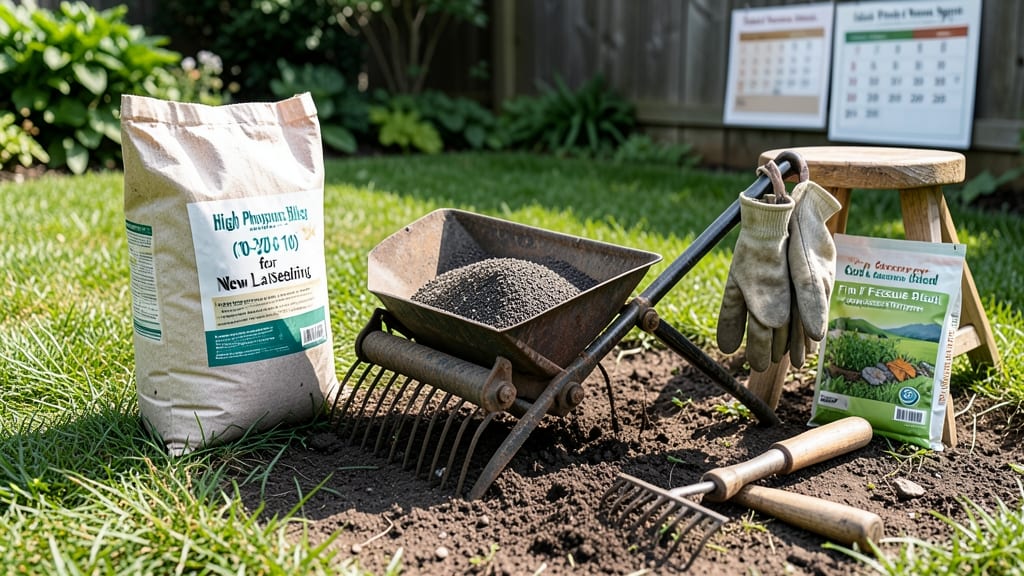
To seed and fertilize lawn at the right time means choosing between early spring or early fall for the best results 🌱 — and the difference can mean the gap between a thick, green carpet and a patchy, struggling yard.
Struggling to decide whether spring or fall is the best time to seed and fertilize your lawn? Timing makes all the difference between a lush, resilient yard and one that struggles to take root.
Cool-season grasses thrive when planted in early fall, while warm-season varieties prefer late spring. Soil temperature, rainfall, and even your local climate play a huge role in success.
Below, I break down the ideal planting windows, how to fertilize for strong growth, and the critical mistakes that kill new lawn seed before it even starts.
Optimal lawn seeding times by climate zone: spring vs fall guide
Choosing the right time to seed your lawn can feel overwhelming, especially when you're staring at seed packets with vague instructions like "plant in spring or fall." The truth is, timing is everything for germination success.
Cool-season grasses like Kentucky bluegrass and fescue thrive in milder temperatures, while warm-season types such as Bermuda and Zoysia need heat to establish. Let's break down the best windows by climate zone so you can plan with confidence.
In Northern climates (USDA Zones 3-6), fall is often the superior choice because cooler air and warm soil create ideal conditions. Southern regions (Zones 7-10) typically favor late spring seeding when soil temperatures stay consistently above 65°F.
Understanding these differences helps you avoid common pitfalls like seeding too early when weeds dominate or too late when summer heat stresses young seedlings.
Soil temperature is the #1 factor determining success. Most cool-season grasses need soil between 50-65°F, while warm-season varieties require 70-85°F. Using a soil thermometer (just $15 at garden centers) lets you verify conditions before planting. I always check for 3 consecutive days of stable temperatures in my zone before seeding—this small step has saved me from multiple failed attempts.
Here's the critical difference between spring and fall seeding that most gardeners miss: fall-seeded lawns establish deeper roots before winter, giving them a head start in spring. Spring seeding, while possible, often competes with weeds and requires more frequent watering during hot months.
That said, both seasons work—you just need to adapt your approach based on your climate.
Let's look at the ideal seeding windows by grass type and region, including when to fertilize for maximum root development.
| Grass Type | Climate Zone | Best Seeding Window | Soil Temp Range | Fertilizer Timing |
|---|---|---|---|---|
| Cool-season (Bluegrass, Fescue, Ryegrass) | Northern (Zones 3-6) | Early fall (Sept-Oct) or early spring (March-April) | 50-65°F | Starter fertilizer at planting, then 6-8 weeks later |
| Cool-season | Southern (Zones 7-10) | Late spring (May) or early fall (Sept) | 55-70°F | Starter fertilizer at planting, light feed 6 weeks later |
| Warm-season (Bermuda, Zoysia, St. Augustine) | Northern (Zones 3-6) | Late spring (May-June) | 70-85°F | Starter fertilizer at planting, then monthly summer feed |
| Warm-season | Southern (Zones 7-10) | Early summer (April-May) | 75-90°F | Starter fertilizer at planting, light feed every 6 weeks |
Notice how Southern climates shift warm-season seeding earlier than Northern regions? This adjustment accounts for the longer growing season. In my Zone 6b garden, I've found that seeding Bermuda grass in early May gives it enough time to establish before summer heat peaks.
The same rule applies to cool-season grasses—planting too early in warm zones risks heat stress before roots develop.
One mistake I see often is planting without testing soil pH. Most lawn grasses prefer 6.0-7.0 pH, but soil tests reveal the truth. My last lawn failed because the soil was too acidic (5.2)—adding lime before seeding made all the difference.
Always test first! Many local extension offices offer $10 soil tests that include pH and nutrient analysis.
For Northern gardeners, fall seeding is my top recommendation because cooler temperatures reduce weed competition. I seed Tall Fescue in early September when daytime highs are still above 70°F but nights dip below 60°F.
This balance gives seeds time to germinate before winter dormancy. The key is to water deeply 2-3 times weekly until germination (about 14-21 days) to maintain consistent moisture.
Southern lawns benefit from spring seeding because warm soils and longer daylight hours accelerate growth. However, I've learned to avoid seeding after June 1st in my area—summer heat and drought stress young seedlings.
Instead, I opt for late spring overseeding with shade-tolerant Fine Fescue to fill in thin spots without competing with Bermuda's aggressive growth.
Remember: Fertilizer timing matters just as much as seeding. Always apply a starter fertilizer (high in phosphorus) at planting to encourage root development. Then, follow up with a balanced feed 6-8 weeks later when seedlings are established.
In my experience, over-fertilizing at planting can burn tender roots, so I use half the recommended rate for starter applications.
Your climate zone determines more than just when to seed—it dictates watering schedules, mowing height, and even disease risks.
Step-by-step fertilization schedule for new lawn seed growth
Getting your new lawn seed off to the right start means feeding it at the perfect times with the right nutrients. A starter fertilizer applied at seeding gives seedlings the phosphorus they need to develop strong roots, while follow-up feedings keep growth steady.
The key is balancing NPK ratios—too much nitrogen too early can burn tender sprouts, while too little leaves them weak. I’ve broken down the exact schedule I use for my own lawn to ensure thick, resilient grass from day one.
Timing your fertilizer applications around seed germination and root development is crucial. Most lawn seeds need 10-30 days to sprout, and roots take 60-90 days to establish fully. Your fertilization plan should mirror this timeline, with high phosphorus early on and balanced nutrients as the grass matures.
Let’s dive into the step-by-step schedule that’s worked for me in USDA Zone 6a, with adjustments for other climates noted.
🌱 Step-by-Step Fertilization Schedule for New Lawn Seed
-
1
Pre-Seeding Soil Prep (2-4 Weeks Before Planting)
Test soil pH (ideal: 6.0-7.0) and amend with compost or lime if needed. Apply 1/2 lb of 10-20-10 fertilizer per 100 sqft to prime the soil.
-
2
Starter Fertilizer at Seeding (Day 0)
Apply 1 lb of high-phosphorus fertilizer (5-10-10 or 10-20-20) per 100 sqft directly over the seeded area. Water lightly to activate nutrients without washing them away.
-
3
First Follow-Up (30 Days After Seeding)
Switch to a balanced fertilizer (10-10-10 or 16-4-8) at 1/2 lb per 100 sqft to support top growth. Grass should be 2-3 inches tall before applying.
-
4
Second Follow-Up (60 Days After Seeding)
Apply 1/2 lb of slow-release fertilizer (14-14-14) per 100 sqft to deepen roots. Grass should now be 3-4 inches tall and well-established.
-
5
Final Establishment Feed (90 Days After Seeding)
Use a low-nitrogen, high-potassium fertilizer (5-10-15) at 1/2 lb per 100 sqft to harden off grass before winter or summer dormancy.
-
6
Ongoing Maintenance (After 90 Days)
Switch to a routine feeding schedule (every 6-8 weeks) with a 16-4-8 or 20-5-10 fertilizer to maintain growth and color.
Choosing the right NPK ratio at each stage is non-negotiable. For example, the high-phosphorus starter fertilizer (like 10-20-20) ensures roots grow deep, while the balanced 10-10-10 later on supports even top growth.
I’ve seen many gardeners overdo nitrogen early on, which leads to weak stems and shallow roots—so resist the urge to go heavy on the first green-up!
Regional adjustments are key: In warmer climates (Zones 7-