
Lawn
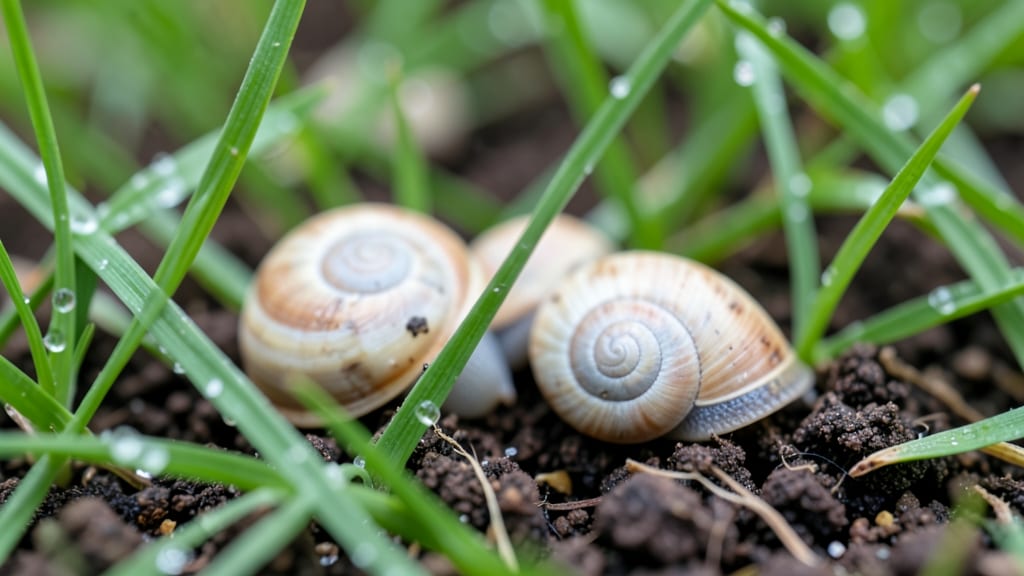
Finding tiny snail shells scattered across your lawn isn’t just an eyesore—it’s a sign your grass could use a natural calcium boost. 🌱 I’ve spent years dealing with snail shells in my yard, and I’ve learned they’re actually a hidden opportunity: those shells break down into lime, strengthening grass roots and improving soil over time.
The problem starts when snails feast on tender grass blades, leaving behind those telltale shells. While they might look unsightly, they’re also a clue that your lawn could benefit from better drainage or organic matter.
The key is balancing control with soil health—you don’t want to eliminate snails entirely, just manage them so they don’t overrun your yard.
By the end, you’ll have a lawn that’s both snail-resistant and richer in nutrients. I’ll show you how to use barriers, traps, and even predator-friendly solutions that keep your grass thriving without harsh chemicals. The best part? Your soil will thank you for the extra calcium.
Works for any lawn type, from shady patches to sunny backyards. Let’s turn those shells into an advantage while keeping your grass lush and green all season.
Natural Causes Behind Shell Piles
Discovering tiny snail shells scattered across your lawn might seem puzzling at first, but these delicate calcium-rich deposits are actually a sign of a thriving ecosystem. 🌱🐌 While they may look like an unwanted mess, snail shells are a natural byproduct of their life cycle—and their presence often points to underlying environmental factors.
Let’s break down the key reasons why you’re seeing these small, spiraled treasures in your grass.
Snails thrive in damp, humid conditions, and your lawn may be an all-you-can-eat buffet for them if it retains moisture for long periods. Here’s why:
- Slow-Draining Soil: Clay-heavy or compacted soil holds water like a sponge, creating ideal snail habitats. If your lawn stays soggy after rain or watering, snails will linger, feed, and eventually leave behind their shells.
- Morning Dew and Shade: Areas with heavy morning dew or shaded spots (where sunlight evaporates slower) become snail hotspots. These microclimates keep the ground moist longer, encouraging snail activity.
- Overwatering: While grass needs consistent moisture, excessive watering (especially late in the day) can turn your lawn into a snail paradise. Snails seek out these wet zones to feed on tender grass blades and organic matter.
Actionable Tip: Improve drainage by aerating compacted soil or adding organic matter (like compost) to help water absorb faster. Water early in the morning to allow dew to evaporate before nightfall.
Snails are detritivores, meaning they feast on decaying plant material, fungi, and even young grass shoots. If your lawn has a buffet of organic debris, you’ll see more shells as a result:
- Thatch Buildup: A thick layer of thatch (dead grass, roots, and debris) provides shelter and food for snails. They’ll munch on the organic matter and leave behind calcium-rich shells as waste.
- Leaf Litter and Mulch: Fallen leaves, wood chips, or thick mulch layers create hiding spots and moisture traps. Snails will nest here, feed, and eventually shed their empty shells.
- Weak or Dying Grass: Stressed grass (from drought, disease, or poor soil) is easier for snails to consume. As they graze, they leave behind shells as a natural byproduct of their calcium metabolism.
Actionable Tip: Regularly dethatch your lawn in spring or fall to remove snail-friendly hiding spots. Rake up leaf litter and avoid over-mulching near grassy areas.
Snails are nocturnal, meaning they come out to feed under the cover of darkness. This behavior explains why you might not see them during the day—but their shells are still left behind:
- Cool, Dark Conditions: Snails are most active when temperatures drop and humidity rises (typically at night). They’ll crawl across your lawn, feed on grass, and leave shells in their wake.
- Predator Avoidance: Birds, frogs, and other predators hunt snails during the day, so they stay hidden in soil crevices or under debris until nightfall. Their shells are often found where they’ve been feeding.
- Shell Shedding: Snails occasionally shed their shells as they grow, leaving behind smaller, empty shells. These can accumulate in areas where snails frequently travel.
Actionable Tip: Use motion-activated lights or diatomaceous earth (a natural snail deterrent) near problem areas to discourage nighttime foraging.
Believe it or not, the chemical makeup of your soil can influence snail activity—and the shells they leave behind. Here’s how:
- High Calcium Availability: Snails need calcium to build and maintain their shells. If your soil is rich in calcium (from limestone, eggshells, or compost), they’ll have plenty of material to process—and more shells to shed.
- Neutral to Slightly Alkaline pH: Snails prefer soils with a pH between 6.5 and 7.5. If your lawn falls into this range, you’ll likely see more snail activity (and thus more shells) than in acidic soil.
- Organic Matter Breakdown: As decomposers, snails thrive in soils with active microbial life. If your lawn has plenty of organic material breaking down, snails will be more abundant.
Actionable Tip: Test your soil’s pH and adjust if needed (e.g., add sulfur for acidic soil or lime for alkaline). If you want to reduce snail activity, slightly lower the pH to around 6.0–6.5.
While tiny snail shells may seem like an annoyance, they’re actually a natural fertilizer for your lawn! These calcium-rich deposits can help strengthen grass roots over time. The key is managing the conditions that attract snails in the first place. 🌟
How to solve it
H2: Fixing Your Lawn’s Tiny Shell Surprise
Discovering those tiny snail shells in lawn might seem like an oddly beautiful (or frustrating) surprise—but they’re actually a sign your grass could use a natural nutrient boost!
Whether you’re dealing with overactive snails, calcium-loving plants, or just a curious wildlife buffet, here’s how to turn this quirky problem into a lawn-care win.
Below, we’ve mapped out practical solutions based on the root cause of your shell situation. Plus, we’ll share prevention tips to keep your lawn lush and snail-free—without harsh chemicals.
---
If your lawn is a snail smorgasbord, these slimy guests are leaving behind their calcium-rich shells as a byproduct. Here’s how to evict them politely (or lure them away):
- 🍺 Beer Traps (Yes, Really!)
Snails are drawn to fermented liquids. Bury a shallow dish (like a plastic cup) filled with beer in the soil. The rim should be level with the ground so snails can crawl in but not out.
Check and refresh every 2–3 days. Pro tip: 💡 Use saucers under plant pots—they double as traps!
- 🌿 Copper Barriers
Snails hate copper! Bend a copper tape (available at garden stores) into a low ring around flower beds or high-traffic areas. The mild electric shock they feel keeps them away. Bonus: It’s reusable and chemical-free!
- 🌙 Nighttime Patrols
Snails are nocturnal. Grab a flashlight and handpick them (gloves recommended) after sunset. Drop them in a bucket of soapy water or relocate them to a wooded area. Warning: ⏰ Avoid this method if you’re squeamish—it’s a sticky job!
- 🌱 Natural Deterrents
Plant snail-repelling companions like marigolds, thyme, or geraniums near your lawn. The strong scents confuse their slime trails. Sprinkle dried citrus peels or coffee grounds around the yard—they dislike the smell and texture.
Prevention tip: 🌡️ Water in the morning instead of evening. Damp soil at night = snail party time.
---
If snails aren’t the issue, your grass might be starving for calcium, causing it to seek out these tiny shells as a supplement. Here’s how to give your lawn a natural calcium fix:
- 🥛 Eggshell Remedies
Crush clean, dried eggshells into a fine powder and sprinkle them over your lawn. Let them sit for a few days, then lightly rake them into the soil.
Eggshells are packed with calcium carbonate—just what your grass roots need! Pro tip: ✨ Save shells from your kitchen and bake them at 200°F (93°C) for 10 minutes to kill bacteria before crushing.
- 🌿 Wood Ash (Use Sparingly!)
If you have a fireplace, collect untreated wood ash and sprinkle a thin layer (¼ inch max) over your lawn. Ash is alkaline and adds calcium, but overuse can harm soil pH. Test your soil first!
- 💧 Calcium-Rich Watering
If your water is hard (high in minerals), it already contains calcium. Let rainwater sit in a barrel for 24 hours before using—it’ll absorb beneficial minerals. Bonus: This also reduces runoff!
- 🌱 Organic Fertilizers
Choose a low-nitrogen, high-calcium fertilizer like bone meal or kelp meal. These break down slowly, feeding your grass roots over time. Warning: 🎯 Avoid synthetic fertilizers—they can disrupt the natural balance.
Prevention tip: 📊 Test your soil every 2–3 years to monitor calcium levels. A simple home kit (or lab test) will tell you if your lawn is hungry for more.
---
If your lawn is soggy or compacted, snails and other critters will flock to it—and their shells will become a nuisance. Fix the underlying issue with these steps:
- ⚡ Improve Drainage
If water pools after rain, your soil may be clay-heavy. Mix in compost or coarse sand to loosen it up. For severe cases, consider a French drain or aerating your lawn with a garden fork.
- 👨🌾 Aerate Regularly
Compacted soil suffocates grass roots. Rent a core aerator (or use a lawn fork) to punch holes 2–3 inches deep, then top with compost. Pro tip: 🔥 Do this in spring or fall for best results.
- 🌧️ Adjust Watering Habits
Water deeply 1–2 times per week (early morning) instead of daily shallow sprinkles. This encourages deep root growth and deters snails. Goal: Aim for 1–1.5 inches of water per week.
- 🪴 Mulch Strategically
Apply a 2–3 inch layer of organic mulch (like straw or wood chips) around garden beds. This keeps soil moist but not soggy, reducing snail habitats. Warning: Avoid thick mulch piles—they trap moisture and attract pests.
Prevention tip: 🌡️ If your lawn stays muddy for days after rain, it’s a sign of poor drainage. Address this before fertilizing—wet soil washes away nutrients!
---
Instead of seeing those tiny snail shells in lawn as a problem, repurpose them! Collect them (gloves on!) and:
- Crush and mix into compost for extra calcium.
- Use as a natural slug barrier around plants.
- Add to homemade slug bait (mix with flour and water—it hardens their bodies).
Remember: 🎯 Balance is key. A few shells? Your lawn is thriving. A snail buffet? Time to take action!
Frequently asked questions
Are tiny snail shells harmful to my lawn?
Not at all! These calcium-rich shells actually benefit your lawn over time. They break down into lime, which strengthens grass roots and improves soil structure. The real issue is the snails themselves—if they're overpopulated, they can damage tender grass blades. Think of the shells as a natural fertilizer bonus!
Why do I see more shells in certain areas of my lawn?
Snails prefer damp, shady spots with organic matter to hide and feed. Look for areas with poor drainage, thick thatch layers, or morning dew that lingers. These microclimates create perfect snail habitats, which is why you'll find more shells there. Check under mulch piles or near leaf litter too!
How can I tell if snails are damaging my grass?
Look for irregular holes in grass blades or chewed edges along the lawn. Snails leave behind shiny slime trails (visible in early morning) and often feed at night. If you find these signs along with the shells, you likely have an active snail population that needs management.
Will collecting snail shells help reduce their numbers?
Not directly—the shells are just empty casings left behind. However, collecting them can help you monitor snail activity and repurpose them as compost. Focus on removing living snails (using beer traps or copper barriers) to actually reduce their population and future shells.
Are there any plants that naturally repel snails?
Plant marigolds, thyme, or geraniums near your lawn edges. These strong-scented plants confuse snails' slime trails and deter them naturally. You can also sprinkle crushed eggshells or coffee grounds around your yard—they dislike both the texture and smell!