
Lawn
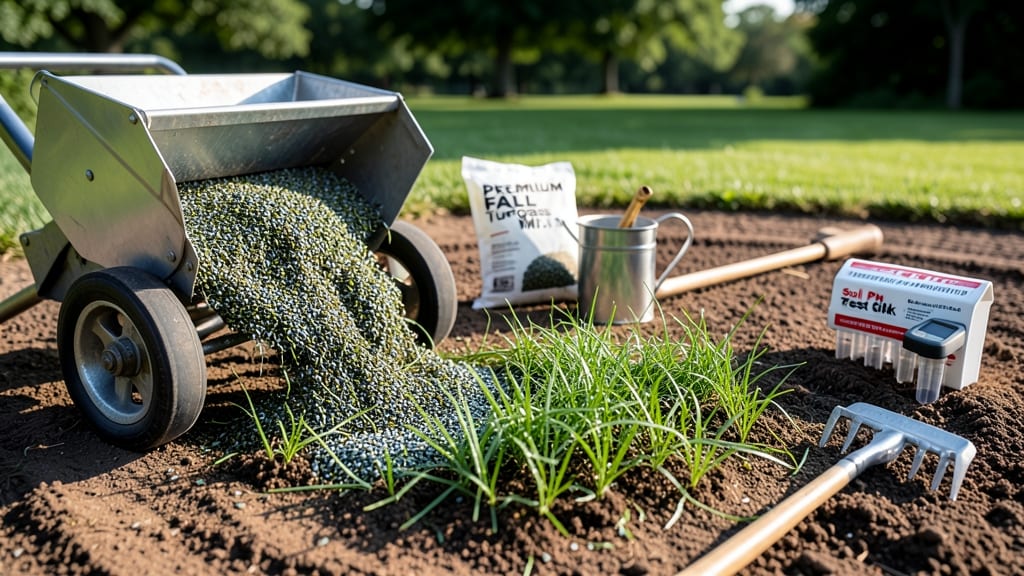
Planting lawn seed in the fall gives your grass a head start on deep roots before winter, but timing is everything.
Too early, and your seeds may bake in the heat. Too late, and frost locks them out of the soil before they can take hold. In Zone 6a, that window is tight—just 4-6 weeks before the first frost, which means September to early October is your sweet spot.
Why does this matter? Cooler fall temps mean less stress on new seedlings, while moisture stays in the soil longer. That’s how you skip the summer struggle and wake up to a thick, green lawn next spring.
Below, I’ll break down the exact dates by region, soil prep tricks, and the one mistake that kills more lawns than weeds do. Let’s get your 🌱 off to the right start.
Best fall planting windows by US climate Zones: when to seed for maximum root growth
Fall is the perfect window for planting lawn seed because cooler temperatures (50-65°F) encourage deep root growth while preventing seed dormancy. Unlike spring, fall offers less weed competition and consistent moisture from autumn rains.
But timing varies dramatically across USDA zones—plant too early, and your seeds may sprout too soon; too late, and frost will halt germination before roots establish.
In Northern states (Zones 3-6), the fall planting window is tight—typically mid-August to early October—because frost arrives earlier. Southern states (Zones 7-10) enjoy a longer window, often stretching from September to November, thanks to milder winters.
The key is planting 4-6 weeks before your first frost date, giving seeds time to germinate and develop roots before dormancy sets in.
Why cooler temps work: Grass seeds need consistent soil moisture and moderate warmth to germinate. Fall’s 50-65°F soil temperatures strike this balance, while summer’s heat or winter’s cold can stress seeds. Cooler air also reduces fungal pressure, giving young seedlings a fighting chance against diseases like damping-off.
Here’s how your USDA zone dictates your planting timeline, including regional adjustments for Northern vs. Southern states:
In Zones 3-4, where winters are harsh, I recommend planting Kentucky Bluegrass or Fine Fescue by mid-August—any later, and frost will cut your window short. These grasses need 6-8 weeks to establish roots before winter dormancy.
Meanwhile, Zones 7-10 can afford to plant later, even into November, because mild winters allow roots to grow slowly without freezing.
Pro tip: Use a soil thermometer to confirm temperatures are in the 50-65°F range before planting. Air temperature can be misleading—soil stays warmer longer in the fall, especially in Southern states. If your soil is too cold (<50°F), germination slows dramatically, leaving seeds vulnerable to fungal diseases or drought stress.
For Northern lawns, aim to finish planting by early October to avoid early frost. In Southern climates, you can push planting to December if your grass is dormant-resistant.
However, avoid planting within 4 weeks of frost, even in warm zones—seeds need time to germinate and develop roots before winter slows growth.
One common mistake? Planting based on
5 Critical factors that determine your perfect fall planting date (beyond the calendar)
While most gardeners default to calendar months for fall planting, your lawn seed's success hinges on five hidden factors that override the calendar.
I've learned the hard way that planting in mid-October might be perfect in Zone 5 but disastrous in Zone 8—even when both regions share the same month. These variables ensure your seeds germinate, grow roots, and survive winter instead of rotting or freezing.
Let's start with the most overlooked factor: soil temperature, not air temperature. Your seeds need soil between 50-65°F to germinate. A crisp 60°F morning might feel ideal, but if your soil is still 45°F from overnight cooling, those seeds will sit dormant.
I always check soil temp with a soil thermometer at 2-inch depth before planting—it's the difference between a lush lawn and wasted seed.
Here's the game-changing checklist that will transform your fall planting success:
Don't let grass type become your downfall. I once planted tall fescue in late September thinking it was perfect timing—until I realized my neighbor's Kentucky bluegrass was already established while mine struggled to germinate.
The difference? Fescue germinates faster in cooler soil, while bluegrass prefers slightly warmer temps. Always check your seed packet for specific germination requirements.
Your existing lawn conditions also dictate timing. If you're repairing small bare patches, plant 2-4 weeks earlier than if you're establishing a full lawn. Existing grass creates competition for water and nutrients, so new seeds need that extra time to get established.
I learned this the hard way when my overseeding project in late October left me with patchy results—while my neighbor's earlier planting thrived.
Pro tip: Combine these factors with a moisture check before planting. Press your finger 1 inch into the soil—if it feels dry, water thoroughly 24 hours before seeding. My fall planting always succeeds when I follow this simple test, even in drought-prone areas.
The right timing isn't just about the calendar—it's about creating the perfect microclimate for your seeds to thrive.