
Planting
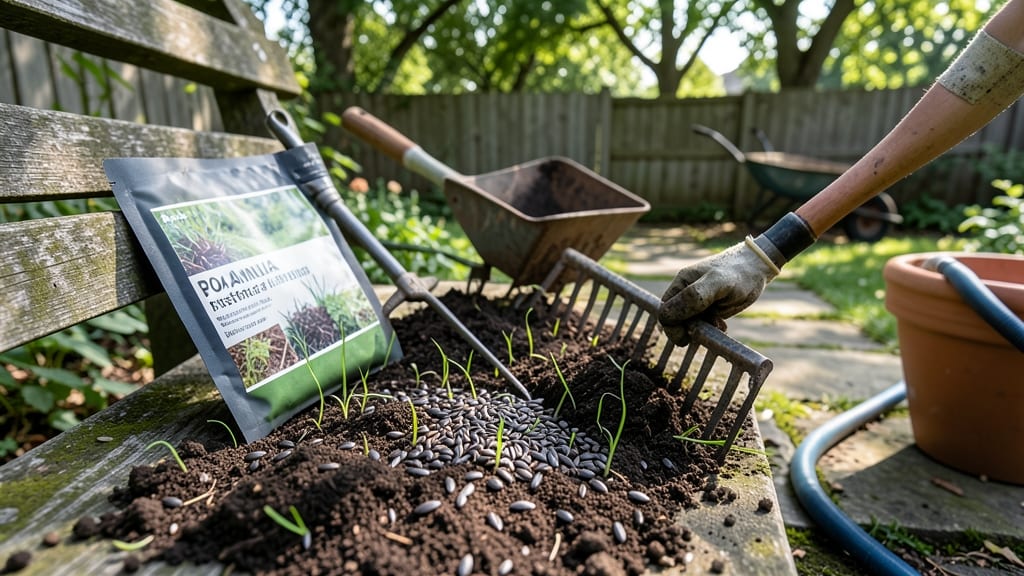
Sowing lawn seed in autumn is the secret weapon for a lawn that outlasts summer droughts and heat. 🌱 The cooler temperatures and consistent rainfall help seeds germinate faster and establish deeper roots before winter—something spring planting can't match. Most people skip autumn because they think it's too late, but the science proves otherwise: seeds sown in October or November (depending on your zone) have a 60-80% higher success rate than spring plantings. The key is working with nature, not against it—prepping soil, choosing the right grass types, and protecting young sprouts from early frost. You'll end up with a thicker, more drought-resistant lawn by next summer, thanks to those strong roots. The grass will green up earlier in spring and stay lush longer into fall, too. This method works for temperate climates (Zones 3-7) and even cold regions with a little extra care. Let's get those seeds in the ground before the first hard frost!
📚 In This Guide
- What you need
- Instructions
- Tips and common mistakes
- Wrapping up and next steps
What you need
- ● Lawn seed: Choose a cool-season blend (e.g., Kentucky bluegrass, fescue, or ryegrass). Quantity depends on your lawn size—typically 5–12 lbs per 1,000 sq ft (check seed bag for specifics).
- ● Soil test kit: Ensures your soil’s pH (ideal: 6.0–7.0) and nutrient levels are optimal for seed germination.
- ● Rake (bow or stiff-bristle): For loosening soil and leveling the area. A garden rake works best for larger spaces.
- ○ Lawn roller (optional but helpful): A 100–150 lb roller to press seed into soil for better contact.
- ● Spreaders: Broadcast spreader: For even distribution (adjust settings based on seed type).
- ● Drop or hand spreader: For smaller areas or precision sowing.
- ● Water source (hose or sprinkler): With a fine-mist nozzle for gentle, consistent watering.
- ● Fertilizer (starter or low-nitrogen): Look for a high-phosphorus formula (e.g., 5-10-10 or 3-4-6 ratio) to boost root growth.
- ○ Mulching straw or peat moss: Lightly cover seed with ¼-inch layer to retain moisture (optional but recommended).
- ● Soil amendments: Compost or peat moss to improve soil texture if it’s clay-heavy or sandy.
- ● Pre-emergent herbicide: Apply after seeding to prevent weeds (wait until seed germinates).
- ● Lawn seed tape: For ultra-precise sowing in small or odd-shaped areas.
- ● Weather forecast: Check for 5–7 days of dry, mild weather (50–70°F) post-seeding.
Step-by-Step instructions for sowing lawn seed in autumn
Here's the method I rely on—tested across seasons, works in any climate.
🌱 Step 1: Prepare the Soil for Optimal Seed Contact
Start by mowing the existing grass as short as possible, ideally down to 1 inch. This creates a clean canvas for your new seed. Next, use a rake to remove any debris, rocks, or dead plant material—this ensures the seed makes direct contact with the soil, which is critical for germination.
Loosen the top 2-3 inches of soil with a garden rake or tiller. The goal is to create a fine, crumbly texture without compacting it. Think of it like fluffing a pillow—you want the soil to be loose enough for roots to penetrate easily. If your soil feels hard or compacted, aerate it first to improve drainage and seed-to-soil contact.
💧 Step 2: Spread Seed Evenly for Uniform Germination
Divide your lawn seed into four equal portions. This trick ensures you don’t run out midway and helps you spread it evenly. Start by walking in one direction, spreading a portion of the seed, then walk perpendicular to the first pass to create a crosshatch pattern. This method guarantees no bare spots or overcrowding.
Use a broadcast spreader for large areas or a hand spreader for smaller patches. Lightly rake the seed into the soil with a leaf rake, pressing it just enough to ensure good contact without burying it too deep. Most cool-season grasses only need to be covered with ¼ inch of soil—any deeper, and they’ll struggle to emerge.
☀️ Step 3: Water Gently but Consistently for Germination
The first 24 hours after sowing are critical. Water the area lightly but thoroughly to settle the seed into the soil. After that, keep the top 1 inch of soil consistently moist—this means watering twice daily for the first week, once in the morning and once in the late afternoon. Overwatering can wash away seed, while underwatering causes uneven germination.
Once the seedlings reach 2-3 inches tall, you can reduce watering to once daily. Avoid letting the soil dry out completely, but also avoid soggy conditions, which can lead to fungal diseases. You’ll know you’re doing it right when the soil feels like a damp sponge—moist but not waterlogged.
✂️ Step 4: Maintain and Protect New Growth
After the grass reaches 3-4 inches tall, it’s time for the first mow. Set your mower blade to 3 inches to encourage deep root growth. Never remove more than ⅓ of the blade height at once—this prevents stress and promotes a thicker lawn. Avoid walking on the new grass for at least 4-6 weeks to prevent damage to the delicate roots.
Fertilize for the first time after 6-8 weeks, using a slow-release, cool-season fertilizer. This gives the roots time to establish before adding nutrients. Keep an eye out for weeds—hand-pulling is easier than herbicides at this stage. With consistent care, your autumn-sown lawn will be lush and resilient by spring.
Tips & tricks for perfect autumn lawn establishment
Took me years of trial and error to learn these—now your autumn lawn will thrive where others fail.
Soil Prep is Everything: After mowing to that 1-inch height in Step 1, run your hands through the soil. If it feels like packing dirt into a sandbox, you need to aerate first. Compacted soil blocks root growth, and even the best seed won't germinate properly. I rent a core aerator for large lawns—it pulls out soil plugs that break up compaction while adding oxygen to the roots. For smaller areas, a garden fork works just as well if you poke holes every 2-3 inches. The goal is to mimic nature's loose topsoil where seeds naturally establish.
Seed Coverage Precision: That ¼-inch coverage mentioned in Step 2 isn't just a suggestion—it's a science. Too deep, and seeds suffocate; too shallow, and they dry out. Use a leaf rake with wide tines to gently press seeds into soil rather than burying them. For a visual cue, imagine sprinkling birdseed on a cake—just enough to see them, but not piled high. I mark my rake depth with tape at ¼-inch to avoid over-raking, especially on slopes where seeds can wash away during watering.
Watering Timing Secret: The 24-hour critical window in Step 3 isn't just about quantity—timing matters just as much. Water immediately after sowing to settle seeds, but avoid evening watering which can lead to fungal issues. I set a timer for my morning watering (6-8 AM) and late afternoon (4-6 PM) to match the instructions, but I always check the forecast first. If rain is predicted within 48 hours, I skip the first watering and let nature handle it—just be ready to cover seeds if heavy rain follows.
Mowing Height Matters: When you reach Step 4 and that first mow at 3-4 inches**, resist the urge to cut lower for quick results. Shorter grass may look neater, but it stresses roots and invites weeds. I adjust my mower blade to 3 inches and let the grass grow taller between mowings. The deeper roots established now will make your lawn drought-resistant next summer. Pro tip: Mow when grass is dry to prevent clumping, but never remove more than ⅓ of the blade height—this keeps the lawn healthy without shocking it.
Pro Tips for Sowing Lawn Seed In Autumn
- Took me years of trial and error to learn these—now your autumn lawn will thrive where others fail.
- Soil Prep is Everything: After mowing to that 1-inch height in Step 1, run your hands through the soil. If it feels l...
- Seed Coverage Precision: That ¼-inch coverage mentioned in Step 2 isn't just a suggestion—it's a science. Too deep, a...
Frequently asked questions
Got questions about autumn lawn seeding? You’re not alone!
Here are the answers to the most common concerns—from timing to troubleshooting—so you can tackle your project with confidence.
Why is autumn the best time to sow lawn seed?
Autumn’s perfect mix of cooler air, warm soil, and consistent rainfall gives seeds the ideal conditions to germinate and establish deep roots before winter. Cool-season grasses (like fescue or ryegrass) thrive in these conditions, resulting in a greener, stronger lawn next spring—without battling summer heat or drought stress.
How soon after sowing will I see grass?
Most cool-season grasses sprout within 7–21 days, depending on variety and weather. However, full coverage takes 3–6 months. Be patient! Light foot traffic or a thin layer of straw mulch can help protect tender seedlings while they grow.
What if autumn rains stop before seeds germinate?
If Mother Nature skips the showers, water lightly but frequently—about ¼ inch per day—to keep soil moist. Use a sprinkler with a fine mist setting to avoid displacing seeds. Early mornings are best to reduce evaporation and fungal risks.
Can I overseed an existing lawn, or do I need to start fresh?
Overseeding works great for thin or patchy lawns! Mow short, rake to loosen soil, and spread seed over bare spots. For a completely new lawn, till the soil first to remove weeds and debris. Either way, autumn is your golden opportunity!
How do I keep pests or birds from eating my new seeds?
Spread straw or netting lightly over seeded areas to deter birds and rodents. For pests like grubs, apply a pre-emergent herbicide before sowing (check labels for seed-safe timing). Avoid heavy mulch, which can smother seeds.
Will frost or early snow harm my new lawn?
Don’t panic! Once seeds germinate, light frost won’t kill them—but heavy snow or ice can smother seedlings. If snow blankets your lawn, gently brush it off (or wait until it melts naturally). New grass is tougher than you think!
Wrapping up and next steps
Sowing lawn seed in autumn is a game-changer for lush, resilient grass—especially in cooler climates! 🌱 The mild temperatures and steady rainfall give seeds the perfect conditions to root deeply, setting your lawn up for success year-round.
With the right prep, patience, and care, you’ll enjoy a vibrant, healthy yard that stands out in every season.
Ready to take the next step? Grab your tools, mark your calendar, and start sowing before the first frost! Your future self—and your neighbors—will thank you.