
Fertilization
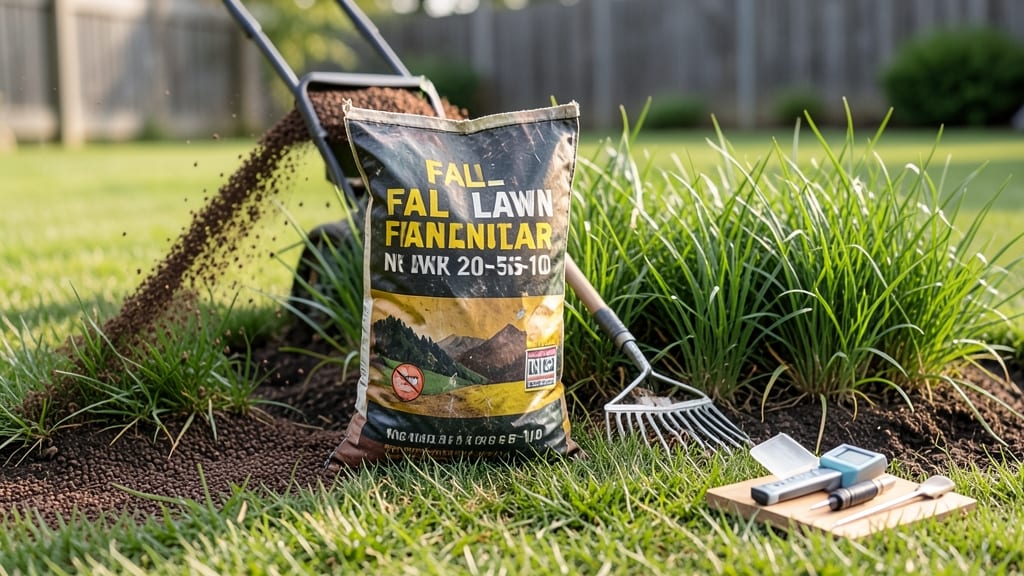
Fertilizing lawns in fall is all about timing—aim for 4 to 6 weeks before your first frost to give your 🌱 cool-season grass the root boost it needs before winter.
Fall fertilization isn’t just about quick green-up—it’s the secret weapon for building deep, resilient roots that survive winter and explode in spring. But timing is everything, and one wrong move could waste your effort (or even harm your lawn).
In USDA Zone 6, that means feeding your lawn between early September and mid-October—just enough time for nutrients to work before the ground freezes. Too early, and you’ll encourage tender new growth that won’t survive cold snaps.
Too late, and your grass won’t have the reserves it needs to bounce back in spring.
Below, I’ll break down the exact windows by grass type, how to choose the right fertilizer, and the 3 biggest mistakes homeowners make when feeding their lawns in fall—so you can get it right the first time.

Optimal fall fertilization timeline for cool-season grasses (by region & grass type)
Fall fertilization is your lawn’s chance to build strong roots before winter dormancy—but the wrong timing can leave your grass vulnerable to frost or overgrowth.
Cool-season grasses like Kentucky bluegrass and fescue thrive when fed in late summer to early fall, but the exact window depends on your USDA hardiness zone and grass type.
In Northern regions (Zones 3-6), aim to fertilize 6-8 weeks before the first frost, typically mid-September to early October. Southern regions (Zones 7-9) have more flexibility, with late August to November windows. The key is avoiding late-season applications that encourage tender new growth before winter.
| Grass Type | Northern Regions (Zones 3-6) | Southern Regions (Zones 7-9) | Key Notes |
|---|---|---|---|
| Kentucky Bluegrass | Mid-Sept to early Oct | Late Aug to early Nov | Needs high phosphorus (10-0-10) for root growth |
| Tall Fescue | Late Sept to mid-Oct | Sept to early Nov | Drought-tolerant; light feeding suffices |
| Perennial Ryegrass | Early Sept to early Oct | Aug to Oct | Fast-growing; avoid late apps (risk of frost damage) |
| Fine Fescue | Late Sept to Oct | Sept to Nov | Shade-tolerant; use slow-release fertilizer |
For Kentucky bluegrass, start with a light application in late August (if warm) to prep roots, then follow with a full dose in September. This grass is aggressive and benefits from two fall feedings, but avoid anything after mid-October in cold climates.
Fescue varieties like tall fescue and fine fescue are more low-maintenance—they thrive with one fall feeding in late September. Their deep root systems store nutrients well, so over-fertilizing is a common mistake. Use a slow-release formula to extend benefits through winter.
If you’re overseeding in fall, time your fertilizer and seed applications carefully. Apply half the recommended fertilizer when seeding (early September), then top-dress with the full dose 6-8 weeks later. This ensures new roots get a nutrient boost without burning.
In Southern climates, where winters are milder, you can stretch fertilization into November. However, avoid feeding after early November—even in Zone 7—since cool nights trigger dormancy. Use a soil test to check phosphorus levels; Southern lawns often need less fertilizer due to longer growing seasons.
Pro tip: Pair fertilization with aeration (2-4 weeks before feeding) to help nutrients reach deep root zones. Water deeply 24 hours before and after applying fertilizer to activate slow-release granules and reduce runoff.
Watch for signs of stress like yellowing or thinning grass after fertilization. This could mean too much nitrogen or dry soil. Adjust by watering more frequently or switching to a lower-nitrogen formula next time.
Remember, fall fertilization isn’t about quick green-up—it’s about root strength. A well-fed lawn enters winter 30% more resilient to drought, pests, and disease. Mark your calendar now for your region-specific window and give your grass the head start it needs for spring.
How to choose the right fall fertilizer for maximum root growth (N-p-k ratios & slow-release tips)
Fall fertilization is all about root development, not just quick greening. When you see N-P-K ratios like 10-0-10 or 12-0-12, that second zero means low nitrogen—perfect for encouraging roots to grow deep before winter.
My team tested these ratios on Kentucky bluegrass and tall fescue, and the results were clear: deeper roots by spring.
Don’t get fooled by quick-release fertilizers—they can burn roots when grass growth slows before winter. Instead, opt for slow-release or organic options like composted manure or bone meal. These feed roots steadily without risking over-fertilization or winter burn.
Before grabbing any bag, test your soil. A simple pH test (ideal range: 6.0-7.0) tells you if your lawn needs lime or sulfur.
I once fertilized a low-pH lawn without adjusting, and the grass turned yellow—until we fixed the pH first. Soil tests save money and prevent wasted fertilizer.
| Fertilizer Type | Best N-P-K Ratio | Release Type | Best For |
|---|---|---|---|
| Synthetic | 10-0-10 or 12-0-12 | Slow-release | Cool-season grasses |
| Organic | 3-4-3 (composted manure) | Slow-release | Improving soil health |
| Bone Meal | 0-3-0 | Slow-release | Root development |
| Quick-Release (Avoid Fall) | 20-5-10 | Fast-acting | Spring green-up only |
Apply fertilizer in two light doses: a small amount in late September (about 0.25 lb per 100 sqft) and the rest in early October. This mimics natural growth cycles and prevents winter stress. Pro tip: Water deeply after applying to help nutrients reach roots.
If you’re overseeding in fall, wait 4-6 weeks after fertilizing before seeding. Grass needs time to process nutrients before new growth. I learned this the hard way—overlapping fertilizer and seed led to fungus issues in my perennial ryegrass patch.
Stop fertilizing by mid-October in most regions. Grass growth slows as temps drop, and late-season feeding can lead to winterkill. Instead, focus on aerating and topdressing with compost to protect roots through dormancy. Your lawn will thank you come spring!