
Fertilization
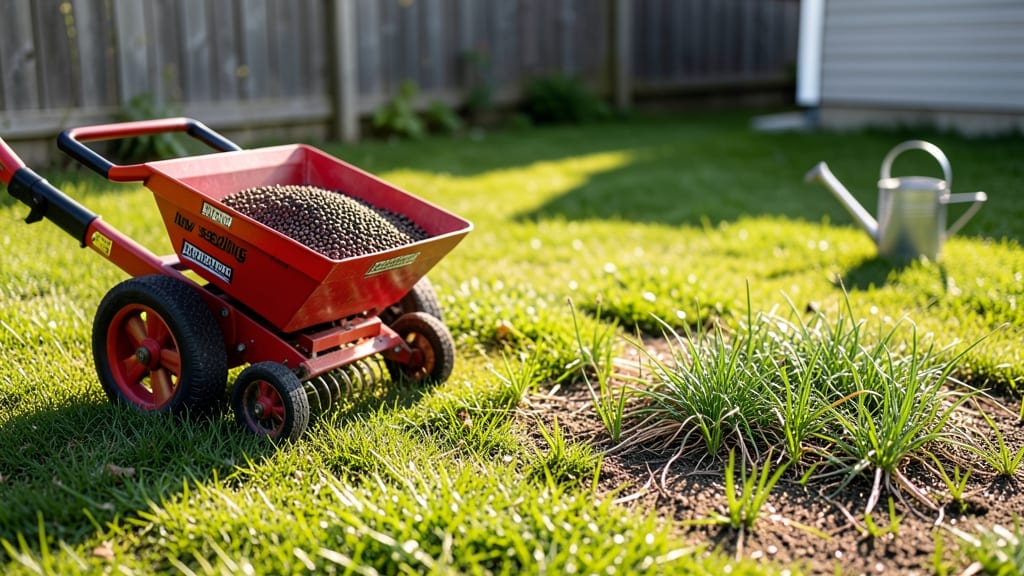
Fertilizing lawn after overseeding at 4-6 weeks is the game-changer that keeps new grass from turning into a sad, patchy mess.
Here’s the thing: rush it, and you’ll shock those delicate seedlings before their roots even take hold. Wait too long, and you miss the critical window for root development—meaning thinner grass and weaker recovery. The 4-6 week rule exists for a reason, and it’s not just a guess.
Overseeding your lawn in spring or fall (like most of us do in Zone 6a) means timing your fertilizer right is everything. Too early, and you risk burning tender sprouts; too late, and you’re playing catch-up with nutrient-starved roots.
This isn’t just about feeding your grass—it’s about setting it up for success.
Below, I’ll break down the science behind the 4-6 week wait, how to pick the right fertilizer, and what to watch for when it’s finally time to apply. Spoiler: it’s not just about throwing down some granules.

The 4-6 week fertilizer rule: why timing matters for overseeded lawns
When you overseed your lawn, those tiny grass seeds are like newborns—delicate and needing just the right care to grow strong. The 4-6 week fertilizer rule exists for a reason: applying fertilizer too soon can shock seedlings or burn their tender roots, while waiting too long means missed growth opportunities.
Think of it as giving your grass time to establish a solid foundation before adding extra nutrients.
New grass seedlings focus all their energy on developing roots and blades during the first few weeks. Fertilizer contains high nitrogen, which stimulates top growth—but when roots aren’t strong enough, seedlings can’t absorb nutrients efficiently. This imbalance leads to weak growth, yellowing, or even death in extreme cases.
The 4-6 week window aligns with when most grass varieties have developed a 4-6 inch root system, ready to handle fertilizer without stress.
Soil temperature plays a critical role in this timing. Ideal germination temperatures for most cool-season grasses (like tall fescue or ryegrass) range between 50-65°F. If you overseed in early fall, soil stays warm enough for root growth but cools down by winter, reducing fertilizer risks.
Spring overseeding requires extra caution—warmer soil speeds up growth, but also increases the chance of nutrient burn if fertilizer is applied too soon.
Another key factor is how seedlings absorb nutrients. During the first 3-4 weeks, grass focuses on establishing roots in the top 2-3 inches of soil. After that, roots begin branching deeper, and the plant can handle more nutrients.
Fertilizer applied too early sits on the soil surface, where it can leach away or concentrate in harmful levels, especially after watering. Waiting ensures nutrients reach the entire root zone.
Here’s the science behind the rule: Grass seedlings have a limited nutrient uptake capacity until their root-to-shoot ratio improves. Early fertilizer applications can overwhelm this system, causing osmotic stress—where excess salts draw water out of the cells.
This is why starter fertilizers (with low nitrogen and high phosphorus) are used at seeding time—they provide a gentle nutrient boost without shock.
| Stage | Root Depth | Fertilizer Risk | Recommended Action |
|---|---|---|---|
| 0-2 Weeks | 0-1 inch | High (seedling shock) | Avoid fertilizer; focus on watering |
| 2-4 Weeks | 1-3 inches | Moderate (root stress) | Light starter fertilizer (optional) |
| 4-6 Weeks | 3-6 inches | Low (safe for growth) | Apply balanced fertilizer (24-0-5) |
| 6+ Weeks | 6+ inches | Minimal (established roots) | Standard fertilization schedule |
⚠️ Warning: Avoid high-nitrogen fertilizers in the first 4 weeks—use low-nitrogen starter blends instead.
Seasonal timing also affects this rule. Fall overseeding (ideal in September-October) benefits from cooler soil, which slows growth and reduces fertilizer risks. By the time you hit the 4-6 week mark, many grasses are already dormant or slowing down, making late-season fertilization safer.
Spring overseeding (March-April) requires more vigilance—warmer soil speeds up growth, so the 4-6 week window might shrink to 3-4 weeks in hot climates.
One common misconception is that you can skip fertilizer entirely after overseeding. While the 4-6 week rule focuses on timing, nutrients are still essential for long-term health. The difference is in the type and timing of fertilizer.
Early applications should prioritize phosphorus (P) for root development, while later applications can include more nitrogen (N) for top growth. Think of it like building a house—you lay the foundation (roots) first before adding the walls (blades).
To test if your grass is ready for fertilizer, gently pull up a small section of new growth. If the roots are 3-4 inches long and the plant pulls out easily with minimal resistance, it’s time to fertilize.
If roots are short or brittle, wait another week. This simple check saves you from over-fertilizing and wasting money on nutrient applications your grass can’t use yet.
Pro tip: If you’re overseeding in late summer or early fall, consider using a slow-release fertilizer at the 6-week mark. These granules release nutrients gradually, matching your grass’s growth rate and reducing the risk of burn.
Pair this with a light watering after application to help nutrients penetrate the soil without washing away.
Remember, the 4-6 week rule isn’t set in stone—it’s a guideline based on average grass growth rates. Factors like soil type, climate, and grass variety can shift this window slightly.
For example, ryegrass germinates faster than fescue, so you might adjust timing accordingly. Always monitor your lawn’s progress and adapt as needed.
Step-by-step fertilizer application guide for overseeded lawns
Once your overseeded lawn has established strong roots and visible growth, the right fertilizer can supercharge its health—but only if applied correctly. New seedlings are delicate, and too much nutrient too soon can burn tender blades or disrupt germination.
The key is using a low-nitrogen, high-phosphorus blend designed specifically for new grass growth, applied at the right time and rate.
For fall overseeding (the ideal time in most regions), aim to fertilize 4-6 weeks after seeding when seedlings are 2-3 inches tall and have developed a dense root system.
In spring, wait until new grass reaches the same height before applying fertilizer. This timing ensures your grass can handle the nutrients without stress.
Step-by-Step Fertilizer Application for Overseeded Lawns
- 1 Choose the right fertilizer: Select a low-nitrogen (10-20%), high-phosphorus (20-30%) blend like a starter fertilizer (e.g., 5-10-10 or 6-12-12). Avoid high-nitrogen lawn fertilizers, which can burn new seedlings.
- 2 Test soil moisture: Water your lawn lightly the day before fertilizing to ensure the soil is slightly moist but not soggy. Dry soil can cause fertilizer to clump and burn grass, while overly wet soil may wash nutrients away.
- 3 Apply fertilizer evenly: Use a spreaders (broadcast or drop) set to the manufacturer’s recommended rate for your lawn size. For most starter fertilizers, aim for 0.5 lbs per 100 sq ft. Walk in a crisscross pattern to avoid missed spots.
- 4 Water immediately after: Apply ¼ inch of water to activate the fertilizer and help it penetrate the soil. Follow up with 1 inch of water over the next 24 hours to prevent nutrient burn and ensure absorption.
- 5 Monitor for stress signs: Watch for yellowing blades, wilted patches, or crispy edges in the days after fertilizing. If you see these, flush the lawn with 1 inch of water to dilute excess nutrients.
After fertilizing, maintain consistent watering (1 inch per week) to help your lawn recover and establish. Avoid heavy foot traffic or mowing for 1-2 weeks post-fertilization to let the grass absorb nutrients without stress.
For fall overseeding, a second light application of fertilizer 6-8 weeks after the first can strengthen roots before winter.
Pro tip: If your lawn looks too lush too soon after fertilization, it’s likely getting too much nitrogen. For overseeded areas, less is more—focus on phosphorus and potassium to build a strong root system that supports dense, healthy growth in the long run.
🌱