
Lawn
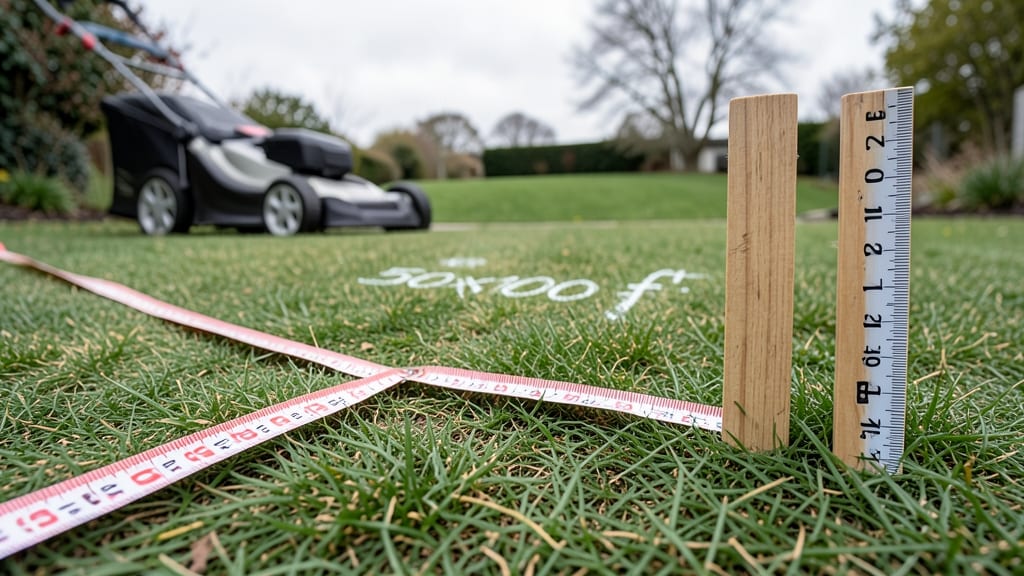
Average lawn size by home type: what’s standard for your property?
Planning your lawn? The average lawn size varies dramatically depending on your home type and location. A suburban single-family home in Florida might have a sprawling 1-acre lawn, while a urban townhouse in Chicago could only support a tiny 500-square-foot patch.
Understanding these standards helps you budget for grass seed, irrigation, and landscaping materials—without over- or under-investing.
Lawn sizes also shift based on urban vs. rural living. Rural properties often prioritize open space for recreation, while city dwellers may opt for low-maintenance clover lawns or native ground covers to conserve water.
Even HOA regulations can dictate minimum lawn widths in neighborhoods. Let’s break down what’s typical for each property type—so you can design a lawn that fits your space and your lifestyle.
📊 Key Insight: The national average lawn size is about 0.16 acres (7,000 sq ft), but this masks huge regional and property-type differences. For example, Western states often have larger lawns due to water availability, while Northeastern homes may prioritize smaller, high-maintenance turf for aesthetics.
For single-family homes, the
How climate zones affect average lawn size and water needs
Your climate zone plays a huge role in determining the ideal lawn size for your property. In drought-prone regions like Arizona or Nevada, homeowners often opt for smaller, native grass lawns that require less water.
Meanwhile, in humid climates like Florida or Louisiana, larger lawns thrive with minimal drought stress. These differences aren’t just about aesthetics—they directly impact your water bills and maintenance efforts.
For example, a 1/4-acre lawn in California might need 20% less water than the same-sized lawn in Georgia due to heat and evaporation rates. Local HOA regulations often reflect these climate realities, enforcing minimum or maximum lawn sizes to conserve resources.
Understanding these patterns helps you design a lawn that’s both beautiful and sustainable for your region.
| Climate Zone | Average Lawn Size (sqft) | Water Needs (gallons/week) | Native Grass Recommendations | HOA Size Rules |
|---|---|---|---|---|
| Southwest (AZ, NV, TX) | 3,000–5,000 | 500–800 | Buffalo Grass, Blue Grama | Max 30% coverage |
| Southeast (FL, GA, AL) | 8,000–12,000 | 1,200–1,800 | St. Augustine, Centipede | No restrictions |
| Northeast (NY, PA, MA) | 5,000–7,000 | 800–1,200 | Kentucky Bluegrass, Fescue | Min 20% green space |
| Midwest (IL, OH, MO) | 6,000–9,000 | 900–1,500 | Tall Fescue, Perennial Rye | Balanced turf rules |
In arid climates, homeowners often replace traditional lawns with drought-tolerant ground covers like clover or sedum to cut water use by up to 60%. These alternatives still provide green space but require far less irrigation.
Meanwhile, in humid regions, larger lawns are feasible because rainfall often supplements watering needs, reducing the need for automatic sprinkler systems.
Another key factor is HOA enforcement. Many drought-prone communities mandate minimum lawn sizes to discourage complete turf removal, while others incentivize native landscaping with tax breaks. For example, some California HOAs require at least 30% of the yard to remain covered in grass or drought-resistant plants.
Always check local bylaws before planning major changes to your lawn’s size or type.
If you’re in a transition zone like the Deep South or Pacific Northwest, you’ll need to balance water conservation with grass health. In these areas, I recommend mixed grass varieties—combining drought-resistant types with lush, high-traffic grasses for different sections of your yard.
This hybrid approach keeps your lawn looking its best while adapting to seasonal changes.
Finally, don’t overlook the role of microclimates within your property. A shady backyard might support a larger lawn than a sun-baked front yard, even in the same climate zone.
Use these natural variations to your advantage by placing water-intensive grasses where they’ll thrive and opting for low-maintenance alternatives in high-stress areas.