
Lawn
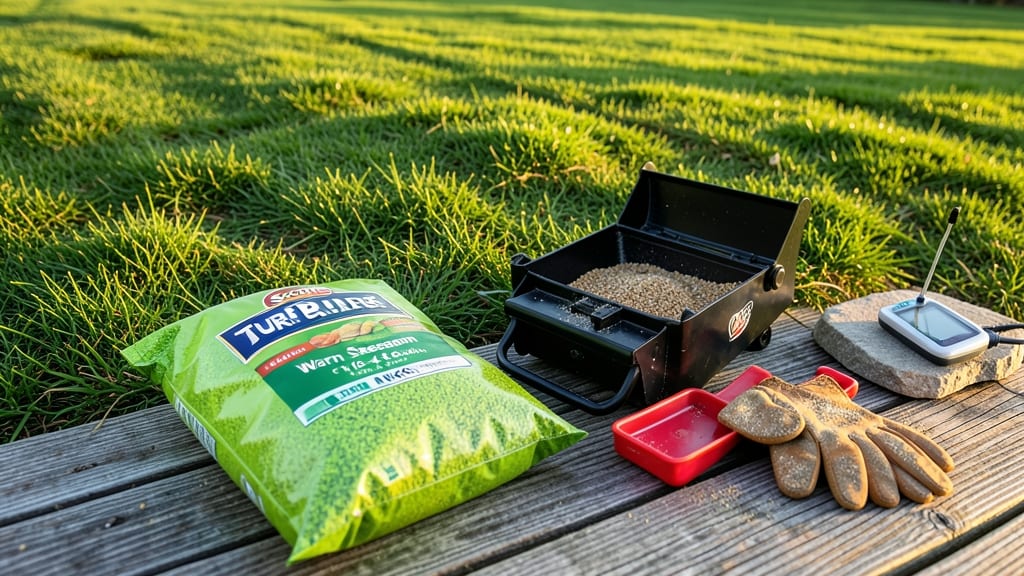
Fertilizing your lawn in San Antonio at the right time can mean the difference between a lush, heat-resistant green carpet and a struggling patch of brown — and the best months are early spring, late spring, and fall.
San Antonio’s scorching summers and unpredictable weather patterns can turn your lawn care routine into a guessing game—especially when it comes to fertilizing. Timing is everything, and getting it wrong can leave your grass weak, brown, or struggling to recover from the heat.
Most local grasses, like Bermuda and St. Augustine, thrive when fed in February or March to kickstart growth before the heat hits. A second feeding in late spring helps them bulk up, while a light application in fall strengthens roots for winter.
Skip summer fertilizing unless you’re using a slow-release formula—otherwise, you risk burning your lawn.
Below, I’ll break down the exact schedule, the best fertilizer types for San Antonio’s soil, and how to tell if your lawn is actually hungry—or just thirsty. No more guesswork, just healthier grass all year.

Best fertilization schedule for San Antonio’s hot climate
San Antonio’s USDA Zone 8a-9a climate demands a strategic fertilization plan that aligns with your grass’s growth cycles. Unlike cooler climates, over-fertilizing in summer can stress heat-loving grasses like Bermuda and St. Augustine, leading to brown patches or even death.
The key is timing feedings to match your lawn’s natural rhythms—prioritizing root development in fall and top growth in spring.
Most local lawns thrive with three primary feedings per year, but the amount and timing shift dramatically between seasons. For example, Bermuda grass needs heavier spring feedings to recover from winter dormancy, while St. Augustine benefits from lighter, more frequent applications to avoid heat stress.
Below, I’ll break down the optimal schedule for each grass type, including pre-monsoon prep and fall root-strengthening strategies.
📅 Pro Tip: Always check your soil moisture before fertilizing—waterlogged soil can lock out nutrients, making your fertilizer ineffective. Aim for deep watering 24 hours before applying any granules or liquids to ensure proper absorption.
| Season | Grass Type | Fertilizer Type | Application Time | Key Goal |
|---|---|---|---|---|
| Early Spring (Feb-Mar) | Bermuda, St. Augustine, Zoysia | Slow-release (30-0-4) | First feeding | Break dormancy, boost top growth |
| Late Spring (Apr-May) | All heat-resistant grasses | Balanced (24-0-12) | Second feeding | Strengthen roots before summer |
| Pre-Monsoon (June) | Bermuda, Zoysia | Light organic (16-4-8) | Early morning only | Support drought resilience |
| Fall (Oct) | All grasses | Slow-release (24-0-12) | Final feeding | Maximize root growth before winter |
| Winter (Nov-Feb) | All grasses | None | Dormant period | Avoid stressing dormant grass |
In early spring (February-March), your lawn’s priority is recovering from winter dormancy.
This is when I recommend a heavy nitrogen feeding (like a 30-0-4 slow-release fertilizer) to jumpstart growth. Bermuda grass responds best to two feedings in spring, while St. Augustine may need a third lighter application in late May to prepare for summer heat.
Always water deeply after fertilizing to activate nutrients and prevent burn.
By late spring (April-May), temperatures rise, and your grass shifts focus to root development. Switch to a balanced fertilizer (24-0-12) to support both top growth and root strength.
This is also the time to adjust mowing height: keep Bermuda at 1-1.5 inches and St. Augustine at 3-4 inches to retain moisture and shade roots. 🌡️ Avoid fertilizing if temps exceed 90°F—your grass will struggle to absorb nutrients.
Summer in San Antonio is brutal for lawns, but a strategic pre-monsoon feeding in June can make all the difference. Use a light organic fertilizer (16-4-8) to boost drought resistance without overwhelming your grass.
Apply it early in the morning to minimize evaporation and water immediately after to lock in nutrients. Skip July and August feedings entirely—your grass will be under extreme heat stress, and fertilizing could cause brown patches or death.
Fall is the golden period for San Antonio lawns, as cooler temps and increased rainfall create perfect conditions for root growth. Schedule your final feeding in October with a slow-release fertilizer (24-0-12) to strengthen roots before winter.
This timing helps your grass recover faster in spring and resist diseases during mild winters. 🌱 Stop fertilizing by November—your lawn will go dormant, and extra nutrients can burn roots.
Winter fertilization is a common mistake in San Antonio. Since grass growth slows dramatically in December-February, any fertilizer applied will wash away with rain or sit unused in the soil.
Instead, focus on light mowing and occasional watering to keep your lawn healthy until spring. 💧 Pro Tip:
Key signs your San Antonio lawn needs fertilizer (and when to avoid it)
Your San Antonio lawn sends clear signals when it’s hungry for nutrients. Look for uniform yellowing across large patches—this often means nitrogen deficiency, a common issue in our hot, fast-growing climate.
Even if your grass looks green overall, thin, weak spots or slow recovery after mowing are red flags that your lawn could benefit from a feeding.
Another telltale sign is patchy growth where grass blades appear shorter or sparser than surrounding areas. This unevenness usually indicates uneven nutrient distribution or compaction from heavy foot traffic. If you notice these patterns, it’s time to test your soil and consider a balanced fertilizer with high nitrogen content.
⚠️ WARNING: When to Avoid Fertilizing in San Antonio ⚠️
- Extreme heat waves (above 95°F)
- Drought conditions (when grass shows footprint damage)
- Within 48 hours of heavy rain or irrigation
Over-fertilizing in summer is a common mistake that can actually stress your lawn. When temperatures soar, grass struggles to metabolize excess nutrients, leading to brown tips or crunchy patches. Instead, opt for a light feeding in June or July with a slow-release fertilizer to provide steady nutrition without overwhelming your lawn.
Pay attention to weed invasion—especially crabgrass or clover—as these weeds thrive in nutrient-poor soil. If your lawn is battling weeds, it’s a sign your grass isn’t getting the phosphorus and potassium it needs to outcompete them. A balanced fertilizer (10-10-10 or 20-20-20) can help restore equilibrium.
Finally, if your grass feels spongy or smells musty when walked on, it could indicate fungal issues from overwatering or poor drainage. In this case, skip fertilization until you’ve addressed the root cause—like improving soil aeration or adjusting your watering schedule.
For San Antonio lawns, the best time to fertilize is early spring (February-March) and fall (October). These periods align with your grass’s natural growth cycles and avoid the stress of summer heat.
Always water deeply after applying fertilizer to help nutrients penetrate the soil—aim for 1 inch of water within 24 hours.