
Lawn
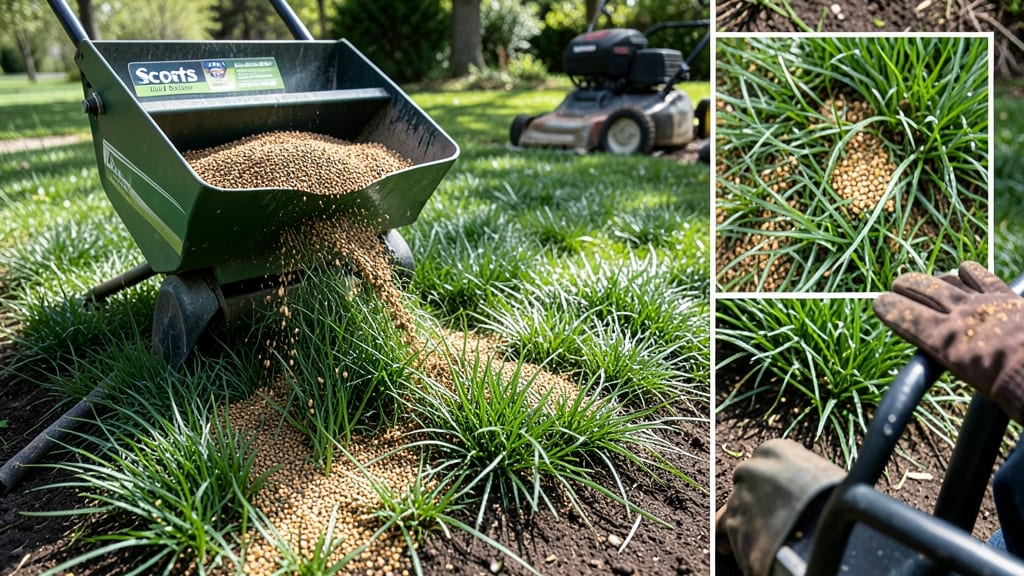
To fertilize lawns in Minnesota, time it by grass type: cool-season grasses like Kentucky bluegrass need spring (April–May) and fall (September–October) feedings, while warm-season grasses like buffalo grass respond best to late spring (May–June) applications. Always check soil temperature and weather forecasts to optimize nutrient absorption and avoid damage.
Minnesota's climate creates a unique challenge for lawn care, where timing matters just as much as the type of fertilizer you choose. Cool-season grasses dominate the state, thriving in Minnesota's cooler months and needing two key feedings to build root strength before winter dormancy.
The first feeding in spring jumpstarts growth after winter's dormancy, while the fall application helps roots harden for cold weather. Warm-season grasses, though less common, follow a different rhythm—late spring applications align with their natural growth surge when soil temperatures consistently hit 60°F or warmer.
I always recommend soil testing before fertilizing, as Minnesota's varying regions (northern vs southern) can create microclimates where standard schedules might need slight adjustments. 🔥
Pro tip: If you're in northern Minnesota, push your spring feeding back to late April or early May to avoid fertilizing frozen ground, which wastes nutrients. Southern Minnesota lawns, with their milder winters, can often start earlier.
For both regions, avoid fertilizing during droughts or right before heavy rains—this ensures nutrients soak into the soil rather than washing away.
💡 In This Article
- Minnesota Grass Types and Ideal Fertilization Timing
- Step-by-Step Lawn Fertilization Schedule for Minnesota Climates
Minnesota grass types and ideal fertilization timing
Cool-season grasses like Kentucky bluegrass, fine fescue, and tall fescue dominate Minnesota lawns because they thrive in the state's cooler climate. These grasses grow most actively when soil temperatures range between 50°F and 75°F, which is why they need two fertilization windows: spring and fall.
The spring feeding (April–May) kickstarts growth after winter dormancy, while the fall application (September–October) strengthens roots before the ground freezes.
Warm-season grasses, such as buffalo grass, behave differently—they enter dormancy when temperatures drop below 50°F, so their fertilization window is limited to late spring (May–June) when soil temperatures consistently stay above 60°F. 🔥
Here’s what’s happening under the surface: Cool-season grasses develop deep root systems in fall to survive winter, while warm-season grasses focus on rapid top growth during their short active season.
Minnesota’s climate creates a perfect split-season scenario for cool-season grasses—they need nutrients to recover from winter stress in spring and to build resilience for cold months in fall.
Warm-season grasses, on the other hand, rely on stored nutrients from their brief growing period, so timing is critical to avoid missing their narrow window.
For example, Kentucky bluegrass roots can grow up to 6 inches deep in ideal fall conditions, while buffalo grass roots stay shallow and prioritize top growth when temperatures are warm.
Soil temperature is the key factor in determining when to fertilize. Use a soil thermometer to check depth—cool-season grasses need soil temps above 50°F for root activity, while warm-season grasses require 60°F or warmer.
In Minnesota, this often translates to waiting until late April for northern regions (where frost lingers longer) and early April for southern areas (where winters are milder). The difference can be as much as 3–4 weeks between regions, so local adjustments are essential. 🌱
One common mistake is fertilizing too early in spring when the ground is still cold or frozen. This wastes nutrients because the grass can’t absorb them until soil temperatures rise.
Similarly, applying fertilizer too late in fall (after the first frost) means the nutrients won’t have time to be absorbed before dormancy sets in. For cool-season grasses, aim to fertilize 6–8 weeks before the first hard frost in fall, giving roots time to strengthen.
Warm-season grasses, meanwhile, should receive their feeding when daytime temperatures consistently stay above 70°F for at least a week.
Minnesota’s weather adds another layer of complexity. Heavy rains can wash away fertilizer, while droughts stress the grass, making it less receptive to nutrients. Always check the 7-day forecast before applying fertilizer—wait at least 24–48 hours after rain to avoid runoff.
In northern Minnesota, where winters are harsher, some gardeners even delay their fall feeding until late September to avoid early frosts. The goal is to align fertilization with the grass’s natural growth cycles while accounting for local climate quirks. 🌡️
For a deeper dive, consider soil testing every 2–3 years, especially if your lawn has patchy growth or discoloration. Minnesota’s soil pH can vary widely—cool-season grasses prefer a pH of 6.0–7.0, while warm-season grasses tolerate slightly acidic conditions (5.5–6.5).
Adjusting pH before fertilizing ensures nutrients are absorbed efficiently. This is why some lawns in northern Minnesota might need extra phosphorus in spring to support root development, while southern lawns benefit from potassium-heavy fall fertilizers to boost cold resistance.