
Lawn
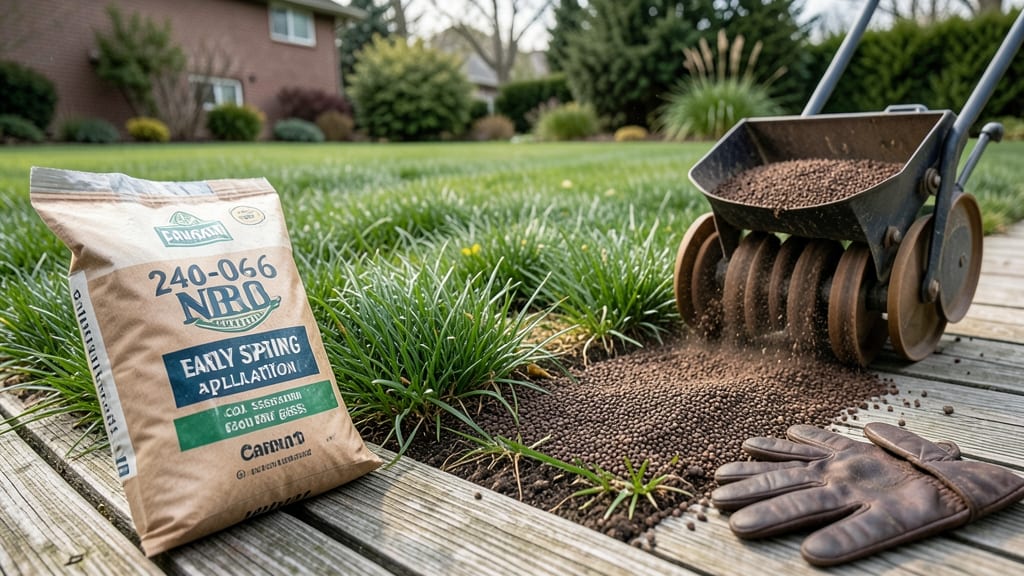
To first fertilize lawn in spring, wait until soil temperatures hit 55–60°F (13–15°C), usually landing in late April to early May. Cool-season grasses like Kentucky bluegrass thrive with early feeding, while warm-season types such as St. Augustine need to wait until late spring or early summer.
Timing matters because grass roots become active when soil warms up, making them ready to absorb nutrients. 🌱 A simple way to check soil temperature is to use a thermometer or observe nature—dandelions blooming or earthworms surfacing are good signs.
I always test a few spots in my yard since microclimates can vary, especially in sloped areas or near buildings.
Your grass type and local climate play huge roles too. In colder regions, early spring feeding helps cool-season grasses like ryegrass recover from winter stress, while warm-season grasses in the South may need to wait until after the last frost date.
Pro tip: If you're unsure about your grass type, a quick soil test can reveal its needs and help you fine-tune your schedule.
💡 In This Article
- How Soil Temperature Determines Fertilizing Timing
- Fertilizing Schedule by Grass Type and Climate Zone
How soil temperature determines fertilizing timing
Soil temperature isn't just a number—it's the biological trigger that wakes up your lawn's root system after winter dormancy. When temperatures rise to 55–60°F (13–15°C), soil microbes become active again, breaking down organic matter into forms grass roots can absorb.
This process releases nitrogen, phosphorus, and potassium—the core nutrients in fertilizer—making them available for uptake. Without this microbial activity, even the best fertilizer sits in the soil like unused fuel.
The grass roots themselves respond dramatically to these temperature shifts. Cool-season grasses like fescue begin growing aggressively when soil hits 50°F (10°C), but they need 55–60°F (13–15°C) for optimal nutrient absorption.
Warm-season grasses like Bermuda stay dormant until soil reaches 65–70°F (18–21°C), which is why they don't need early feeding. You can test soil temperature with a simple $10 digital probe inserted 4 inches deep—this matches the depth where most grass roots grow.
Nature gives us free clues too. Dandelions blooming or earthworms appearing at the surface are reliable signs soil has warmed enough. Earthworms, for example, only surface when soil temperatures exceed 50°F (10°C), making them a perfect biological thermometer.
In my own yard, I've noticed that shady areas (where soil stays cooler) often need 1–2 weeks later to reach fertilizing temps than sunny spots—this microclimate variation explains why some lawns look uneven after feeding.
Here's what happens if you fertilize too early: The nutrients simply sit in cold soil, waiting for microbes to activate. This creates a "nutrient lag" where grass can't absorb what you've applied, leading to waste and potential runoff.
Conversely, waiting too long means missing the critical 6–8 week growth window before summer heat slows grass activity. The 55–60°F (13–15°C) threshold balances these factors perfectly for most regions.
For those in transitional climates (like the Midwest), I recommend checking soil temps weekly in late April. If temperatures dip below 50°F (10°C) at night, delay fertilizing until daytime highs consistently stay above 60°F (15°C).
This simple adjustment can mean the difference between a lush lawn and one that struggles to green up properly.
One advanced technique I've learned is the "soil thermometer test": Insert the probe at 4-inch depth (root zone) and check at 9 AM and 3 PM for two days.
If both readings average above 55°F (13°C), your lawn is ready. This method accounts for daily temperature fluctuations that simple single readings might miss.