
Lawn
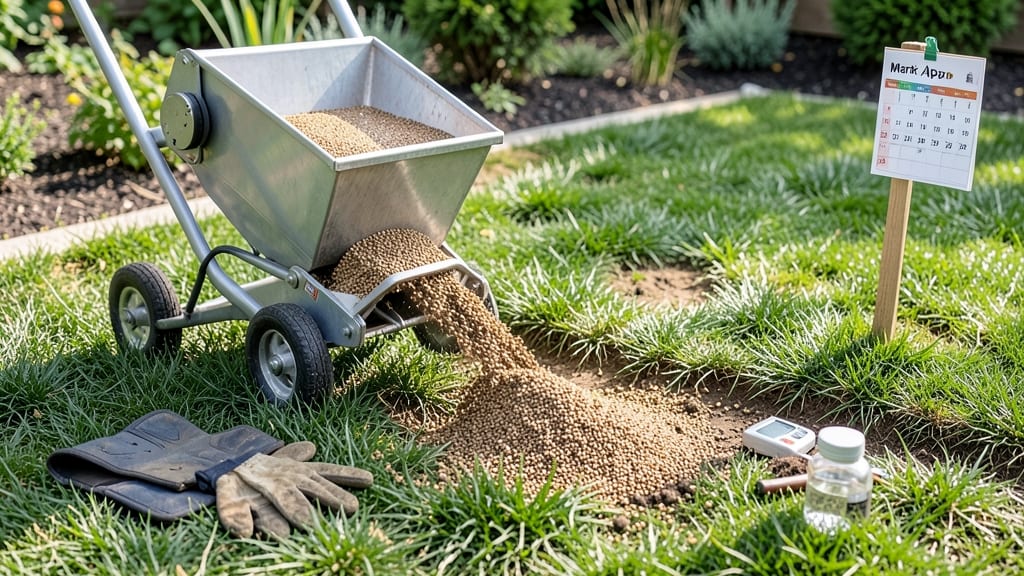
Fertilizing your lawn in spring at the right time unlocks stronger roots, thicker turf, and a weed-resistant green carpet by summer.
But timing it wrong can waste money—and leave your grass weak and patchy. I’ve seen early spring fertilizing burn roots, while waiting too long lets weeds take over. The secret? Soil temperature, not just the calendar.
Cool-season grasses like fescue and bluegrass need fertilizer when soil hits 40–50°F—usually early March in Zone 6. Warm-season types like Bermuda wait until 60–70°F, closer to April. Below, I’ll show you how to test your soil and pick the perfect window.
You’ll also learn how often to feed your lawn, what fertilizer to choose, and how to spot mistakes—so you can skip the guesswork and grow the healthiest grass of the season.

Spring lawn fertilization timeline: soil temperature rules for perfect timing
Getting your spring lawn fertilization timing right isn't just about calendar dates—it's all about soil temperature. Cool-season grasses like fescue and bluegrass need soil temps between 40-50°F to wake up from dormancy, while warm-season types like Bermuda prefer 60-70°F before feeding.
Fertilizing too early when soil is still cold can burn tender roots and invite fungal diseases like snow mold.
Most gardeners make the mistake of fertilizing in late winter when grass looks dormant, but roots are still inactive. Waiting for consistent soil temps above 50°F (measured 4 inches deep) signals it's time for that first high-nitrogen feed.
This timing jumpstarts root growth and gives your lawn the competitive edge against weeds.
Here's how to test your soil temperature without fancy tools: Stick a meat thermometer into the ground on a cloudy day (sun can skew readings). Check multiple spots in your yard—shady areas may stay cooler longer. If temps fluctuate daily, wait until they stabilize for 3-5 days before fertilizing.
A common misconception is that you should fertilize as soon as grass starts greening up. But that early growth often comes from stored energy in roots—not new nutrient uptake. Waiting until soil warms ensures your fertilizer gets put to work immediately when grass is actively growing.
| Grass Type | Ideal Soil Temp | Best Fertilization Window | Risk of Early Feeding |
|---|---|---|---|
| Cool-Season (Fescue, Bluegrass, Ryegrass) | 40-50°F (4-7°C) | Early April - Mid-May (USDA Zone 6) | Root burn, fungal diseases |
| Warm-Season (Bermuda, Zoysia, St. Augustine) | 60-70°F (15-21°C) | Late April - Early June | Weak growth, heat stress |
| Transition Zones (Mix of Types) | 50-60°F (10-15°C) | Mid-April - Late May | Uneven growth patterns |
In USDA Zone 6, where last frost typically hits around April 15, I recommend waiting until early April to test soil temps. If you're in a cooler zone (like Zone 5), push back to mid-April.
The key is seeing consistent greening across your lawn—when 50% of your grass shows new growth, that's your green light to fertilize.
For organic fertilizers, the timing window is slightly more flexible since they release nutrients slowly. But even compost or manure teas should wait until soil temps reach 50°F to avoid wasting nutrients. Synthetic fertilizers, however, demand precise timing—they need active roots to absorb them efficiently.
One pro tip: If your lawn has bare patches from winter damage, wait until you've overseeded those areas (usually after last frost) before fertilizing. New seed needs low-nitrogen starter fertilizer (5-10-5 ratio) to establish roots before switching to your regular feed.
Remember that rainfall patterns also affect timing. If you're in a region with unpredictable spring showers, apply fertilizer when a 5-day dry forecast is predicted. This prevents runoff and ensures nutrients soak into the soil where roots can access them.
After fertilizing, monitor your lawn closely for 3-5 days. Healthy grass should show vibrant green growth within 7-14 days. If you notice yellowing or wilting, it may signal over-fertilization or disease—reduce watering slightly and wait before reapplying.
For most homeowners, a second spring feeding 6-8 weeks after the first gives that extra boost for summer. But skip this if your lawn shows signs of stress—sometimes less is more when it comes to fertilization timing.
How to choose the right spring fertilizer for your grass type (cool vs warm season)
Choosing the wrong spring fertilizer can leave your lawn looking half-hearted instead of vibrant. The key lies in understanding your grass type—whether it’s cool-season (like Kentucky bluegrass) or warm-season (like Bermuda)—and matching it to the right NPK ratio (nitrogen, phosphorus, potassium).
Cool-season grasses thrive with high nitrogen early in spring, while warm-season grasses need a gentler touch until soil warms up.
Most gardeners overlook the organic vs. synthetic debate, but both have pros and cons. Synthetic fertilizers deliver quick results, while organic options like compost or manure build soil health over time.
For example, Kentucky bluegrass loves a 30-0-5 NPK ratio in early spring, while Bermuda grass benefits from a 16-4-8 blend once soil hits 60°F. Let’s break down the best choices for your lawn.
Cool-Season Grass Fertilizer: Early Spring Boost
Pros
- Rapid greening with high nitrogen
- Ideal for Kentucky bluegrass and fescue
- Works at 40-50°F soil temps
Cons
- Can burn roots if applied too early
- Requires reapplication every 4-6 weeks
- Less soil-building than organic options
Warm-Season Grass Fertilizer: Gentle Late Spring Start
Pros
- Encourages deep root growth in Bermuda
- Balanced NPK ratio (16-4-8) for steady growth
- Works at 60-70°F soil temps
Cons
- Too early = weak, patchy growth
- Less immediate color boost than cool-season fertilizers
- May need micronutrients for sandy soils
For cool-season grasses, I recommend a slow-release synthetic like Scotts Turf Builder in early spring (March-April). Its 30-0-5 NPK ratio gives your Kentucky bluegrass or tall fescue the nitrogen kickstart they crave.
If you prefer organic, try alfalfa meal—it’s rich in nitrogen and breaks down slowly to feed roots all season.
Warm-season grasses like Bermuda or Zoysia need a different approach. Wait until soil temps hit 60°F (usually late April or May), then switch to a balanced fertilizer like Milorganite (4-2-0).
This organic option won’t scorch roots and provides micronutrients for long-term health. Pro tip: Aerate your lawn 2 weeks before fertilizing to help nutrients penetrate thick thatch layers.
Don’t forget to test your soil first! A simple pH test kit (around $10) will tell you if your lawn needs lime (to raise pH) or sulfur (to lower it).
Cool-season grasses prefer pH 6.0-7.0, while warm-season grasses thrive at 6.0-6.5. Adjusting pH before fertilizing ensures your grass absorbs nutrients efficiently.
Finally, water deeply after applying fertilizer—about 1 inch of water within 24 hours—to activate the nutrients and prevent runoff. Early morning is the best time to fertilize, as cooler temps reduce the risk of fertilizer burn and give grass time to absorb nutrients before evening dew sets in.