
Lawn
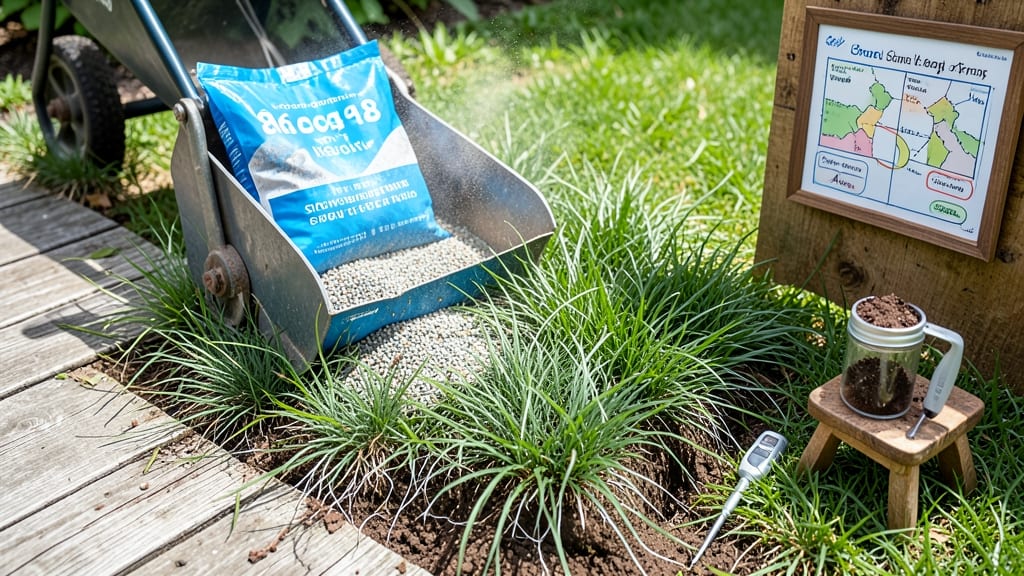
Fertilizing your lawn in Oregon at the right time is the key to a lush, drought-resistant yard that thrives through the region’s wild swings from rain to drought.
Oregon’s unpredictable weather—from wet winters to scorching summers—makes timing your lawn fertilization critical for a thick, drought-resistant yard. Miss the window, and you risk feeding weeds instead of grass.
Most Oregon gardeners get it right by fertilizing in early spring, just as the grass wakes up from dormancy, and again in fall to strengthen roots before winter. But coastal areas and inland zones have different rules, and a late frost can throw off even the best-laid plans.
Below, I’ll break down the exact months to fertilize based on your Oregon zone, how to spot when your lawn is actually hungry, and the one mistake that turns green grass into a weed buffet.

Oregon’s best fertilization schedule: spring vs. fall timing explained
Timing your lawn fertilization in Oregon isn’t one-size-fits-all—it depends on whether you’re in the coastal zone with mild winters or the inland areas where frost arrives early. Most Oregon gardeners get it right by focusing on two key windows: early spring (March-April) and early fall (September-October).
These periods align with when cool-season grasses like Kentucky bluegrass and tall fescue are most active, avoiding the stress of summer droughts or winter dormancy.
Your first fertilization should happen after your first mowing of spring, typically in March for coastal areas and April for inland zones. This jumpstarts growth before summer heat arrives. In fall, aim for 6-8 weeks before your first frost—usually September-October—to strengthen roots before winter.
Missing these windows can lead to weak grass that struggles with weeds or drought.
Oregon’s microclimates throw a wrench into standard schedules. If you’re in the coastal region (e.g., Portland or Eugene), you can fertilize as early as February—the mild winters mean grass stays active longer.
But in inland areas like Bend or La Grande, wait until April to avoid frost damage. Similarly, fall fertilization should happen by October inland but can extend to November in coastal zones.
Watch for weather cues like consistent daytime temps above 50°F and soil temperatures above 40°F. Use a soil thermometer to check—if the ground is still chilly, hold off. Another trick? Time your spring feed for after your first mowing.
This ensures the grass has enough energy to use the nutrients effectively. For fall, aim to fertilize 6-8 weeks before your first frost to give roots time to absorb nutrients before dormancy.
One common mistake Oregon gardeners make is fertilizing during summer droughts. When temperatures exceed 85°F, grass goes dormant to conserve water, and fertilizer can burn roots instead of feeding them.
If you must fertilize in summer, choose a slow-release organic option and pair it with deep watering to reduce stress. Always water your lawn deeply before and after applying fertilizer to help nutrients penetrate the soil.
For drought-resistant grasses like tall fescue or fine fescue, focus on fall fertilization—this builds deep roots that can withstand Oregon’s summer water restrictions.
In spring, a high-nitrogen feed (like 24-0-10) promotes rapid green-up, but follow up with a balanced formula (16-4-8) in late spring to support root development. Avoid phosphorus-heavy fertilizers unless your soil test shows deficiencies—too much phosphorus can harm local waterways.
If you’re unsure about your local frost dates, check the USDA Plant Hardiness Zone Map for your area. Most of Oregon falls in zones 7b-9a, but even small shifts (like moving from Portland to Salem) can change your ideal timing by 2-4 weeks.
For example, Salem’s first frost often
How to choose the right fertilizer for Oregon’s drought-prone lawns
Oregon’s drought-prone lawns need the right fertilizer to thrive, especially with cool-season grasses like tall fescue and Kentucky bluegrass dominating local yards. The wrong choice can waste money or even harm your grass, especially during summer heat waves or winter dormancy.
Let’s break down your options to keep your lawn lush without overdoing it.
First, consider whether your lawn needs a quick-release or slow-release fertilizer. Quick-release options provide an immediate boost but require more frequent applications, while slow-release fertilizers feed your grass steadily over time.
For Oregon’s variable climate, slow-release is often the smarter choice—it reduces the risk of nutrient runoff during sudden rain and prevents burning during dry spells.
Next, decide between organic and synthetic fertilizers. Organic options like compost, manure, or bone meal improve soil health long-term and are great for drought-resistant grasses. Synthetic fertilizers, however, deliver precise NPK ratios (nitrogen, phosphorus, potassium) tailored to your lawn’s needs. Many Oregon gardeners blend both for balanced results.
Slow-Release vs. Quick-Release Fertilizers for Oregon Lawns
Slow-Release Fertilizers
- ✅ Steady growth over 3–6 months
- ✅ Less runoff in Oregon’s rainy seasons
- ✅ Reduces burning during drought
Best for: Spring and fall applications
Quick-Release Fertilizers
- ✅ Fast green-up in early spring
- ✅ Precise NPK control for weak lawns
Best for: Emergency fixes or pre-seeding
Organic vs. Synthetic Fertilizers
Organic
- ✅ Improves soil long-term
- ✅ Drought-resistant grass support
- ❌ Slower results (weeks to months)
Synthetic
- ✅ Fast, predictable nutrient delivery
- ✅ Precise NPK ratios for Oregon soil
- ❌ Risk of over-application if not careful
For Oregon’s soil deficiencies, focus on a balanced NPK ratio like 16-4-8 or 24-0-10. The higher nitrogen (N) promotes leaf growth, while phosphorus (P) and potassium (K) strengthen roots—critical for drought resistance.
If your soil test shows low phosphorus, opt for a bone meal or compost blend to boost root development before summer heat sets in.
Drought-resistant grasses like tall fescue and fine fescue thrive with slow-release fertilizers applied in early spring and fall. Avoid fertilizing during summer droughts or winter dormancy, as this can stress your lawn. Instead, focus on deep watering and mulching to conserve moisture and nutrients.
Pro tip: Always test your soil before fertilizing. Oregon’s acidic soils (common in the Willamette Valley) may need lime to raise pH, while sandy soils (found in eastern Oregon) benefit from organic matter. Adjust your fertilizer choice based on these results to avoid wasting resources.