
Lawn
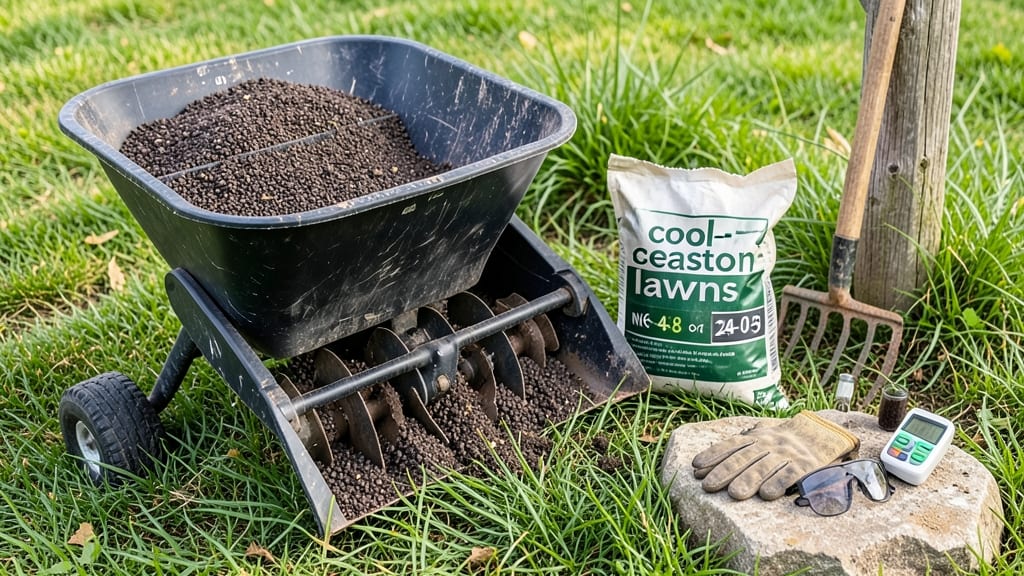
Fertilizing your Utah lawn at the right time is the difference between a lush, drought-resistant green carpet and a patchy, struggling yard that fights to survive the 5a-8b climate.
Utah’s harsh sun, dry winds, and unpredictable rain make timing your lawn fertilization critical—get it wrong, and you’ll waste money or stress your grass.
But master the perfect schedule, and you’ll grow a lawn that thrives through Wasatch winters and scorching summers, no matter if you’re in Salt Lake City or St. George.
Most Utah gardeners focus on spring and fall, but the exact timing depends on your grass type—cool-season (like Kentucky bluegrass) vs. warm-season (like Bermuda).
A quick soil test and knowing your microclimate can save you from over- or under-fertilizing, which is how you end up with brown patches or weak roots.
Below, I break down the ideal months for feeding your lawn, how to choose the right fertilizer for Utah’s alkaline soils, and the watering tricks that keep your grass thriving after each application.

Utah’s ideal fertilization timeline: spring & fall for drought-proof grass
Utah’s high-desert climate demands precision when fertilizing your lawn. Cool-season grasses like Kentucky bluegrass and tall fescue thrive in Utah’s spring and fall, while warm-season varieties such as Bermuda and Zoysia need different timing.
The key? Fertilize when your grass is actively growing—not during dormancy or extreme heat. In Salt Lake City, aim for March-April and September-October, while St. George’s warmer microclimate shifts these windows slightly later.
Spring fertilization kickstarts growth after winter dormancy, while fall applications strengthen roots before winter. Skipping these windows means weaker grass struggling to handle Utah’s drought stress and temperature swings.
For example, fertilizing in July’s 100°F heat burns grass instead of feeding it. Let’s break down the science-backed schedule tailored to Utah’s unique zones.
| Grass Type | Utah Region | Spring Fertilization Window | Fall Fertilization Window | Key Tip |
|---|---|---|---|---|
| Cool-Season (Kentucky Bluegrass, Fescue) | Salt Lake City | Mid-March to early April | Mid-September to early October | Use slow-release fertilizer to avoid burn. |
| Cool-Season (Kentucky Bluegrass, Fescue) | St. George | Late March to early April | Late September to mid-October | Water deeply before and after applying fertilizer. |
| Warm-Season (Bermuda, Zoysia) | Salt Lake City | Late April to May | Early September | Avoid fertilizing if temps exceed 85°F. |
| Warm-Season (Bermuda, Zoysia) | St. George | May to early June | Late August to early September | Use drought-resistant fertilizer blends. |
| All Grass Types | All Utah Regions | Avoid fertilizing | Avoid fertilizing | During summer heatwaves or winter dormancy. |
For cool-season grasses in Salt Lake City, start fertilizing in mid-March as soil temperatures rise above 50°F. This timing aligns with your grass waking from dormancy and preparing for rapid growth.
Apply a balanced fertilizer (e.g., 16-4-8 NPK) to encourage lush, green blades without overstimulating growth before summer’s heat arrives. In St. George, wait until late March due to later warming—your grass needs this extra time to avoid stress.
Fall fertilization is equally critical. In September-October, your grass shifts focus from top growth to root development. Apply 2/3 of your annual nitrogen during this window to strengthen roots for winter.
In St. George, extend this to mid-October since warm temperatures linger longer. Skip winter fertilization entirely—grass is dormant, and cold soil prevents nutrient absorption.
Warm-season grasses like Bermuda and Zoysia follow a different rhythm. Fertilize in late April-May in Salt Lake City as daytime highs consistently exceed 70°F. In St. George, push this to May-June to match your region’s delayed spring. These grasses go dormant in winter,
How to adjust fertilizer type and application for Utah’s unique zones
Utah’s alkaline soils and drought-prone climate demand a tailored approach to lawn fertilization. Unlike humid climates, Utah’s high pH levels (often 7.5-8.5) can lock out essential nutrients, while low humidity increases the risk of fertilizer burn.
Choosing the right type—whether slow-release or quick-release—and applying it correctly can mean the difference between a vibrant lawn and a struggling one in areas like Park City or Moab.
One of the biggest mistakes I see is using high-nitrogen quick-release fertilizers during Utah’s scorching summers. These can cause burnt grass and waste water in already dry conditions. Instead, opt for slow-release fertilizers with balanced NPK ratios (like 16-4-8) to feed your lawn steadily without stressing it.
For alkaline soils, consider adding sulfur or peat moss to lower pH before fertilizing—this helps your lawn absorb nutrients more efficiently.
Here’s how to decide between fertilizer types for Utah’s microclimates:
Quick-Release Fertilizers
Pros
- ✅ Fast results (visible greening in 1-2 weeks)
- ✅ Ideal for spring green-up (March-April)
- ✅ Good for newly seeded lawns needing quick nitrogen
Cons
- ❌ High risk of burning grass in Utah’s dry heat
- ❌ Requires frequent reapplication (every 4-6 weeks)
- ❌ Can leach nutrients in sandy Utah soils
Slow-Release Fertilizers
Pros
- ✅ Reduces burn risk in drought-prone areas
- ✅ Lasts 8-12 weeks per application
- ✅ Better for fall fertilization (September-October)
Cons
- ❌ Slower green-up in early spring
- ❌ More expensive upfront
- ❌ Less control over nitrogen spikes
Before applying any fertilizer, test your soil—Utah’s alkaline conditions often require adjustments. Use a DIY soil test kit (available at local garden centers) or send a sample to the Utah State University Extension for a detailed analysis.
If your soil pH is above 7.5, amend it with elemental sulfur (1-2 lbs per 100 sq ft) 2-3 months before fertilizing. This gives your lawn time to adjust and absorb nutrients properly.
Timing your application is just as critical as the type of fertilizer. In drought-prone zones like Moab, avoid fertilizing during heatwaves (July-August)—even slow-release fertilizers can stress grass when combined with high temperatures and low humidity.
Instead, focus on early spring (March-April) and early fall (September-October), when cooler temps and occasional rain help your lawn recover. Always water deeply before and after applying fertilizer to prevent burn and help nutrients penetrate the soil.
For cool-season grasses (like Kentucky bluegrass or fescue), split your annual nitrogen into three applications: 1/3 in spring, 1/3 in early summer, and 1/3 in fall. Warm-season grasses (like Bermuda or Zoysia) need a heavier summer feed but can handle quick-release fertilizers in June-July for recovery.
Just remember: less is more in Utah’s dry climate—over-fertilizing leads to wasted money and environmental runoff.
Pro tip: If your lawn looks yellow or patchy after fertilizing, it’s a sign of over-application or poor soil health. Flush the lawn with 1-2 inches of water to dilute excess nutrients, then aerate to improve root access to oxygen and water.
In Utah’s alkaline soils, this step can make a world of difference for nutrient uptake.