
Lawn
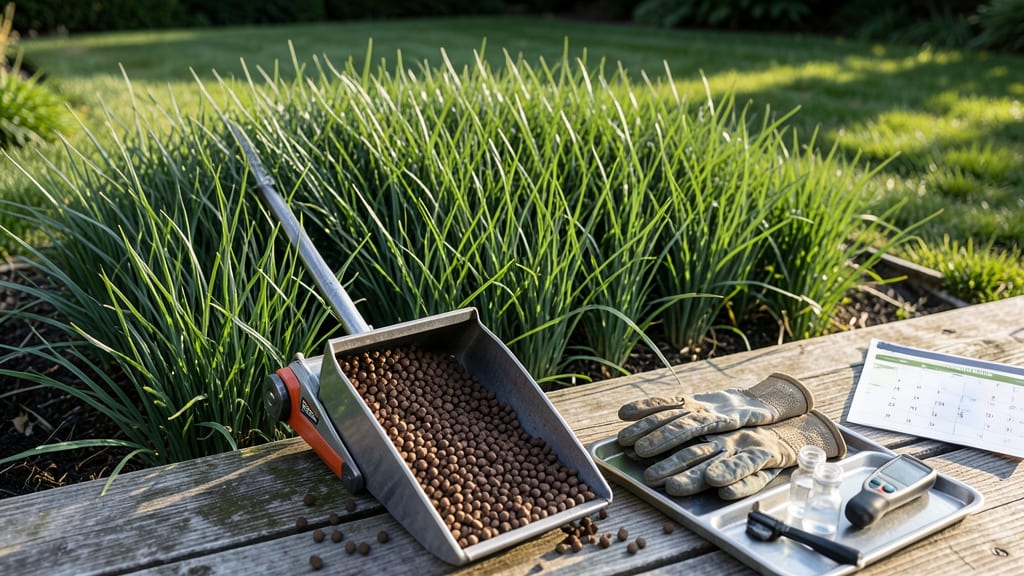
To fertilize lawn in Ohio, aim for early spring and fall when your 🌱 thrives most—cool-season grasses like Kentucky bluegrass need feeding as soon as soil warms to 50°F, while warm-season Bermuda grass waits until late May.
Ohio’s unpredictable weather can leave homeowners confused about the best times to fertilize their lawn—but timing is everything for lush, weed-resistant grass. Get your schedule wrong, and you’ll waste money or even harm your turf.
Most lawns in Ohio’s 6a zone benefit from three key feedings: early spring to kickstart growth, late spring for peak season, and a light fall application to strengthen roots before winter. Skipping these windows means slower recovery from drought or foot traffic.
Below, I break down the exact months for each feeding, how to adjust for Ohio’s microclimates, and the one mistake 90% of homeowners make that leads to brown patches—even with the right fertilizer.

Ohio lawn fertilization timeline: exact months for spring & fall feeding
Ohio’s cool-season grasses like Kentucky bluegrass and tall fescue thrive with precise fertilization timing, while warm-season grasses like Bermuda grass need different schedules. The key is aligning applications with soil temperatures and growth cycles—not just calendar months.
In Ohio, this means starting as early as late February for southern regions and waiting until mid-April in northern areas.
Most homeowners focus on spring and fall feeding, but Ohio’s variable climate demands flexibility. A late frost in May or an early freeze in September can disrupt your plan.
The solution? Use soil thermometers and local frost date averages to adjust. For example, if your soil stays below 50°F past April 15, delay fertilization until temperatures stabilize.
Cool-season grasses need 3-4 feedings per year, while warm-season grasses require 2-3 lighter applications. Ohio’s USDA Zone 6a climate means you’ll typically fertilize in March-May and September-November, but exact timing depends on your grass type and microclimate.
| Season | Month | Grass Type | Soil Temp Threshold | Fertilizer Type | Notes |
|---|---|---|---|---|---|
| Spring | Late February - Early March | Cool-season | 45-50°F | High Nitrogen (24-0-5) | Pre-emergent for weeds |
| April - May | Cool-season | 55-65°F | Slow-release (30-0-4) | Peak growth phase | |
| Summer | June - July | Warm-season | 65-75°F | Balanced (16-4-8) | Light feeding only |
| August | Cool-season | 60-70°F | Low Nitrogen (10-0-20) | Root strengthening | |
| Fall | September | Cool-season | 60-65°F | High Potassium (5-10-15) | Fall color boost |
| October | Cool-season | 50-55°F | Winterizer (12-0-12) | Pre-winter root protection |
For spring fertilization, start with a pre-emergent herbicide in late February or early March if you’re battling crabgrass. Once soil warms to 50°F, switch to a high-nitrogen fertilizer like 24-0-5 to kickstart growth.
In northern Ohio, wait until mid-April when frost risk drops below 10%. Apply the first feeding when grass shows 25-50% green-up.
Ohio’s fall fertilization is equally critical. Aim for your last application by mid-October to give roots time to absorb nutrients before winter. If you’re in southern Ohio, you might extend this to early November.
Use a low-nitrogen, high-potassium blend (like 5-10-15) to harden grass against freeze-thaw cycles. Skip winter applications entirely—grass goes dormant, and fertilizer can burn roots.
Pro tip: Test your soil in early spring to check pH and nutrient levels. Ohio’s clay-heavy soils often need lime (to raise pH) or sulfur (to lower it) before fertilizing. Adjust your fertilizer blend based on test results—this saves money and prevents over-fertilization.
For example, if your soil is already high in phosphorus, skip the 0-10-20 blends and opt for straight nitrogen.
One common mistake? Fertilizing after summer heatwaves. When soil temps exceed 80°F, grass goes into survival mode, and fertilizer burns roots. Instead, wait until late August for a light feeding to prepare cool-season grasses for fall.
For warm-season grasses, your last summer feeding should be by mid-July to avoid late-season growth that weakens before winter.
Remember: Ohio’s microclimates vary wildly. A lawn in Columbus (warmer) might need earlier spring feeding than one in Cleveland (cooler). Watch for local weather patterns—if your area had an early spring, adjust your schedule accordingly.
The goal is healthy roots, not just green grass, so follow the soil temperature rules more than the calendar.
Finally, always water deeply after fertilizing to activate nutrients. In Ohio’s variable rainfall, this means 1 inch of water within 24 hours of application. Use a rain gauge or tuna can to measure—most homeowners under-water, which wastes fertilizer.
With this precise timing, your Ohio lawn will stay lush, weed-free, and resilient year-round.
How Ohio’s microclimates change fertilizer application timing
Ohio’s diverse geography means your neighbor’s fertilizer schedule might not work for your lawn. Southern Ohio’s warmer winters allow earlier spring feeding, while northern regions often wait until late May to avoid frost damage.
Even within the same city, urban heat islands can create microclimates where grass grows 2-3 weeks faster than rural areas.
Clay-heavy soils in central Ohio drain poorly, requiring lighter fertilizer applications to prevent runoff, while sandy soils in the northwest need more frequent feeding. Drought-prone areas like western Ohio benefit from slow-release fertilizers to conserve moisture during summer heatwaves.
Here’s how to adjust your timing based on Ohio’s key regions:
For clay-heavy soils, I recommend splitting your spring application into two lighter feedings—once in early April and again in late May. This prevents nutrient runoff and gives grass time to absorb nutrients.
In drought-prone areas, always fertilize in the early morning to reduce evaporation and stress on roots.
Pro tip: Test your soil’s pH level in fall—Ohio’s clay soils often need lime adjustments (aim for pH 6.0-7.0). If your lawn shows yellow patches after fertilizing, it’s a sign you’re overdoing nitrogen in your region’s specific conditions.
Remember, microclimates matter. If your lawn is in a sunny south-facing area, it may need feeding 1-2 weeks earlier than shadier spots. Always check for frost warnings before your final fall application—grass needs time to harden off before winter.