
Lawn
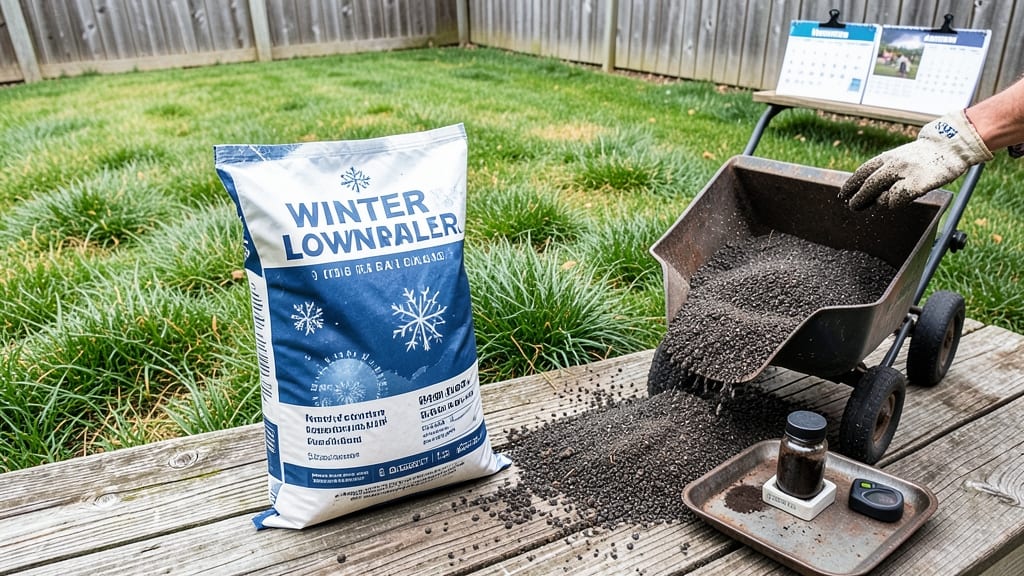
To winter fertilize lawns, aim for late fall through early spring when soil temperatures consistently stay between 40°F and 60°F, avoiding freezing conditions. This timing—typically November to March—gives cool-season grasses like fescue and ryegrass essential nutrients before dormancy while protecting warm-season grasses from winter stress.
This timing isn't arbitrary—it's about matching your grass type with nature's cycle. 🌱 Cool-season grasses enter dormancy in winter but still need nutrients to strengthen roots for spring growth. The 40-60°F window ensures the fertilizer breaks down slowly without burning grass in freezing temps.
I've seen dramatic differences in lawn resilience after this approach, especially in regions with harsh winters. For Southern climates, you might push it to early spring, but never fertilize when soil is frozen or thawing.
One common mistake is assuming "winter" means December—actual timing depends on your USDA hardiness zone. For example, Zone 5 lawns should fertilize in late October to November, while Zone 8 might wait until January.
Always check soil temps with a probe or follow your local extension service's recommendations. The right timing can mean the difference between a lawn that greens up early or one that struggles through spring.
💡 In This Article
- Optimal Soil Temperature and Climate Zones for Winter Lawn Fertilization
- Step-by-Step Winter Fertilizer Application Guide by Region
Optimal soil temperature and climate Zones for winter lawn fertilization
The 40-60°F soil temperature range isn't just a random guideline—it's where microbial activity in the soil ramps up just enough to break down fertilizer nutrients while preventing grass roots from burning. At temperatures below 40°F, microbial activity slows dramatically, making nutrients unavailable to roots.
Above 60°F, the risk of fertilizer burn increases as grass roots become more active but less capable of absorbing nutrients efficiently. This Goldilocks zone ensures nutrients are gradually released during the critical 6-8 week period before dormancy sets in.
Climate zones play a massive role in determining exact timing. In USDA Zones 3-6 (Northern regions), soil temperatures drop below 60°F by mid-October, making November the ideal month to fertilize cool-season grasses like Kentucky bluegrass or tall fescue.
In contrast, Zones 7-10 (Southern regions) may not see temperatures drop below 60°F until December or even January, shifting the optimal window to late December through February. The key is always checking soil temps with a probe—never rely solely on calendar months.
Cool-season grasses like fescue and ryegrass thrive with winter feeding because they continue slow growth until dormancy. The nutrients stored in roots during this period fuel rapid spring green-up.
Warm-season grasses like Bermuda or Zoysia, however, should never receive winter fertilizer—they're already dormant, and the nutrients would either leach away or cause burn when they wake up in spring. This is why proper grass identification is the first step before fertilizing.
Here's what happens when you get the timing wrong: Fertilizing too early (when soil is still warm) can cause nutrient burn, creating brown patches that take weeks to recover. Fertilizing too late (when soil approaches freezing) means nutrients won't be available when roots need them most.
The 60°F threshold acts as a biological switch—below this, grass roots shift into nutrient storage mode, making them primed to absorb and utilize winter fertilizer efficiently.
Consider this real-world example: In Zone 5, applying a 24-0-6 winterizer fertilizer in mid-November (when soil temps are 55°F) can result in 30-40% stronger root systems compared to spring-only feeding. The slow-release nitrogen in these fertilizers provides a steady nutrient supply without overwhelming the grass.
For organic options, compost-based fertilizers work similarly but require more frequent applications due to their lower nutrient concentration.
One advanced technique is soil thermometry—using a soil temperature probe to track daily fluctuations. Most cool-season grasses benefit from 3-4 applications spaced 6-8 weeks apart during the winter window.
The first application should occur when soil temps consistently stay below 60°F for at least 5-7 days, signaling the start of the optimal feeding period. This precision timing is what separates a resilient lawn from one that struggles through winter.