
Fertilization
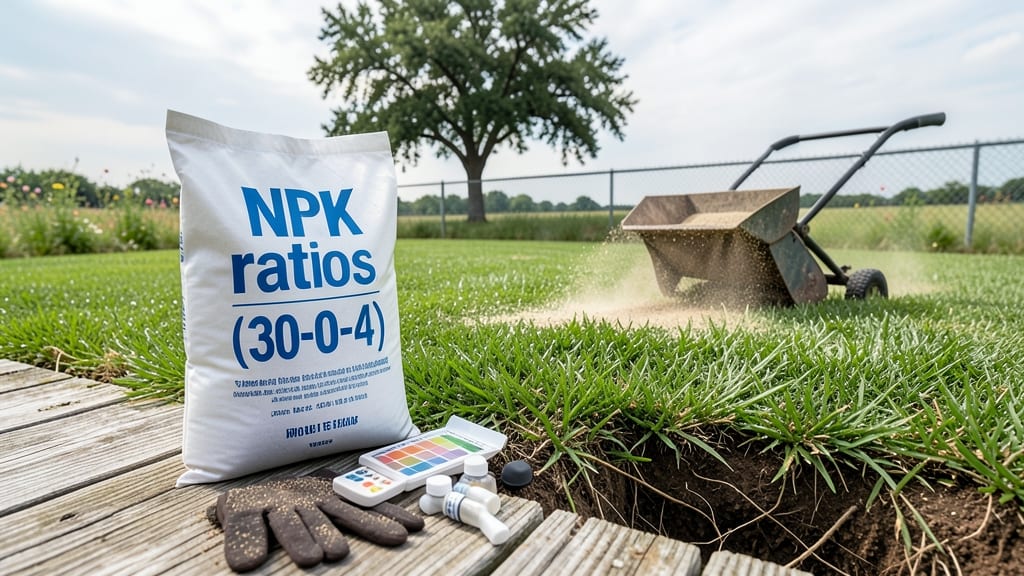
To fertilize lawns in North Texas, time applications based on grass type: cool-season grasses like fescue need feeding in early fall (September–October) and late winter (February), while warm-season grasses like Bermuda or St. Augustine should be fertilized in late spring (May–June) and early summer (July). Soil temperatures below 50°F or above 90°F indicate the best windows for application.
North Texas's unpredictable weather means your fertilization schedule must adapt to both grass type and seasonal shifts. Cool-season grasses thrive when temperatures drop, so fall and winter feedings help them store energy for spring growth.
Warm-season varieties, however, need nutrients when soil heats up—think of it as fueling them for summer's intense heat. I've seen firsthand how missing these windows can leave lawns struggling, especially during our long, hot summers when roots crave moisture and nutrients alike. 🌱
Here's what I've learned from years of testing: the 60–75°F soil temperature range is golden for warm-season grasses, while cool-season types prefer 55–65°F. This isn't just theory—it's why your neighbor's Bermuda grass might look lush in June while your fescue fades until fall.
Pro tip: use a soil thermometer (they're cheap!) to confirm temps before applying fertilizer, especially in our transitional months when weather can flip in a week.
💡 In This Article
- North Texas Soil Temperature and Grass Growth Cycles
- Step-by-Step Fertilizer Application Guide for North Texas Lawns
North Texas soil temperature and grass growth cycles
North Texas's unique climate creates distinct growth cycles for grasses, where soil temperature acts as the primary trigger. Cool-season grasses like tall fescue and ryegrass enter active growth when soil temperatures drop below 60°F, typically in early fall and late winter.
This is when they need nutrients to build root systems for spring. Warm-season grasses like Bermuda and Zoysia, however, only thrive when soil temperatures rise above 65°F, usually in late spring and summer, when they're actively growing to combat heat stress. 🌡️
The key difference lies in their biological makeup: cool-season grasses have proteins that function best in cooler temps, while warm-season varieties produce enzymes optimized for heat.
In North Texas, this means Austin's 70-80°F springs trigger Bermuda grass to wake up, while DFW's 55-65°F falls signal fescue to prepare for winter dormancy. Our region's unpredictable swings—like sudden cold snaps in March—can disrupt these cycles if you're not paying attention to soil temps rather than just calendar months.
What most people don't realize is how soil temperature affects nutrient absorption. Warm-season grasses absorb nitrogen most efficiently when soil is between 60-75°F, while cool-season types prefer 55-65°F. Applying fertilizer outside these ranges wastes nutrients—you might see temporary green-up, but roots won't develop properly.
I've seen lawns in Plano that looked great after a March fertilization only to brown out by May because the Bermuda grass couldn't establish deep roots in cooler soil.
North Texas's climate zones add another layer: the Panhandle's shorter growing season means warm-season grasses have just 4-5 months of active growth, while East Texas can stretch that to 7-8 months. This is why a one-size-fits-all approach fails.
For example, St. Augustine grass in College Station needs its first feeding by mid-April when soil hits 70°F, while the same grass in Amarillo might not get its first feeding until mid-May when temps stabilize above 75°F. 🌡️
Here's a practical way to think about it: imagine grass growth as a battery. Cool-season grasses charge in fall/winter, while warm-season types need their charge in spring/summer. The soil temperature is like the voltage regulator—too hot or too cold, and the system won't work efficiently.
That's why I always recommend checking soil temps before fertilizing, especially in our transitional months (March/April and October/November) when weather can flip in days.
One common mistake is fertilizing warm-season grasses in fall when temps drop below 60°F. The nutrients won't be used efficiently until spring, leading to waste and potential runoff. Similarly, applying winterizer fertilizer to cool-season grasses when soil temps are still above 65°F can burn roots.
The solution? Use a soil thermometer ($15 at any garden center) to confirm you're in the optimal range before applying any fertilizer.
The bottom line is this: North Texas's climate demands precision timing. Cool-season grasses need their fall/winter feedings when soil temps are 55-65°F, while warm-season types should get their nutrients when soil hits 60-75°F and stays there.
Missing these windows means your lawn will either struggle through summer heat or fail to green up properly in spring. Think of it as giving your grass the right fuel at the right time—like putting gas in a car when it's cold versus when it's running hot. 🚗