
Lawn
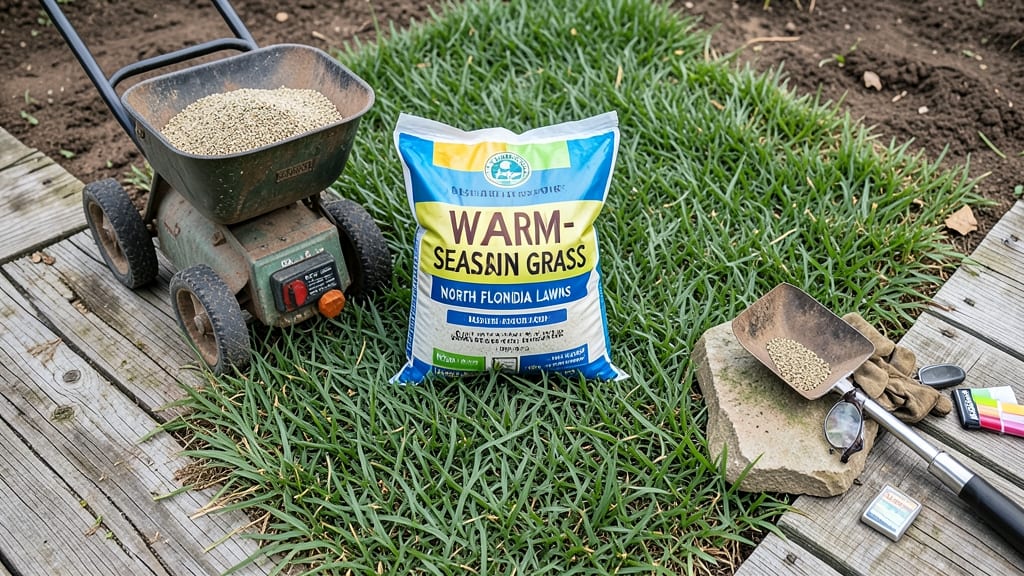
Fertilizing your lawn in North Florida at the right time—spring, summer, and fall—can mean the difference between a lush green carpet and a struggling patchwork of brown 🌱.
North Florida’s humid climate and sandy soil demand a precise fertilization schedule—or your lawn could end up overfed, underfed, or even burned. Timing isn’t just about seasons; it’s about soil temperature, grass type, and weather patterns that most gardeners miss.
Skip the guesswork and fertilize when your lawn actually needs it. Below, I break down the exact months to feed your grass, how to read your soil’s signals, and which fertilizers work best in our 8a-9b zone.
You’ll learn how to avoid common mistakes, like fertilizing in winter when grass goes dormant, and discover the one trick that keeps your lawn thriving through Florida’s brutal summers.

North Florida soil temperature guide: exact months to fertilize for maximum growth
Fertilizing your lawn in North Florida isn’t just about the calendar—it’s about soil temperature. Most grass types need specific soil temps to absorb nutrients effectively. Warm-season grasses like St. Augustine and Centipede thrive when soil hits 65°F+, while cool-season grasses like Ryegrass prefer 50°F+.
Timing these windows wrong can waste fertilizer or stress your lawn.
North Florida’s 8a-9b climate zone means soil warms quickly in spring and stays hot through summer. In Jacksonville, soil reaches 65°F by early March, while Tallahassee and Gainesville lag slightly until late March. These regional differences matter—fertilizing too early in cooler areas can shock grass roots.
Here’s how to test your soil temperature at home: Use a soil thermometer (like the Thermometer Pro model) to check 2-3 inches deep. Insert it into the soil in a shady spot, away from direct sunlight, and wait 30 seconds for an accurate reading.
This method ensures you’re fertilizing when your grass can actually use the nutrients.
Most homeowners miss that late summer (August-September) is another critical window for warm-season grasses. After summer heat stress, soil temps drop slightly, and grass recovers faster with light fertilization. Skipping this step means weaker roots heading into winter.
North Florida’s sandy soil drains quickly, so slow-release fertilizers are ideal—they match your grass’s growth rate. Fast-acting fertilizers can burn roots when temps spike above 85°F. Always water deeply after applying fertilizer to help nutrients penetrate the soil.
In Jacksonville, aim for March 15-April 15 for your first spring feeding, while Tallahassee gardeners should wait until April 1-April 30 due to cooler nights. Fall fertilization should happen by October 15 in all regions to strengthen roots before winter dormancy.
⚠️ Critical Mistake: Fertilizing during hurricane season (June-November) can wash nutrients away with heavy rains. Always check the National Weather Service forecast before applying fertilizer during these months.
For cool-season grasses, like Ryegrass overseeded in fall, fertilize when soil temps drop below 65°F in late October. Use a low-nitrogen fertilizer (10-0-10) to avoid excessive growth before winter dormancy.
Pro Tip: Pair fertilization with aeration in spring and fall. Compacted soil blocks nutrient absorption, and aerating 2-3 weeks before feeding boosts results by 30-40%. Rent a core aerator from your local garden center for best results.
Your lawn’s health depends on matching fertilization to soil temperature, not just the calendar. Use this guide to align your schedule with North Florida’s unique climate—your grass will thank you with deeper roots and richer color all season long.
| Season | Soil Temp Threshold | Grass Type | Fertilization Window | Regional Adjustments |
|---|---|---|---|---|
| Early Spring | 50°F+ | Cool-Season (Ryegrass) | Feb 15 - Mar 15 | Jacksonville: Feb 20; Tallahassee: Mar 1 |
| Late Spring | 65°F+ | Warm-Season (St. Augustine) | Mar 15 - Apr 30 | Gainesville: Mar 25; Jacksonville: Mar 10 |
| Summer | 75°F+ | Warm-Season (Centipede) | Aug 15 - Sep 15 | Avoid June-July (hurricane risk) |
| Fall | 60°F+ | All Types | Oct 1 - Nov 15 | Complete by Oct 15 for root strength |
| Winter | Below 50°F | All Types | None | Grass is dormant; skip fertilization |
Use this table as your fertilization roadmap for North Florida. Adjust timings by 1-2 weeks based on your specific location—coastal areas like Jacksonville warm faster than inland cities like Gainesville. Always pair fertilization with proper watering (1 inch per week) to avoid nutrient runoff.
For organic options, try <
Best fertilizer types for North Florida lawns: N-p-k ratios by season
North Florida’s warm-season grasses like Bahia and Centipede thrive with the right fertilizer mix—but choosing wrong can burn your lawn or waste money. The key is matching N-P-K ratios to your grass’s growth stage and season.
For example, a high-nitrogen feed in spring jumpstarts growth, while summer needs low-nitrogen, high-potassium to handle heat stress.
Synthetic fertilizers like Scotts Turf Builder offer quick results, but organic options such as composted manure or seaweed extract improve soil health long-term. Slow-release fertilizers (like Milorganite) are ideal for summer, while quick-release works better in spring’s cooler temps.
Let’s break down the best choices for each season—and what to avoid.
North Florida Fertilizer Guide: Seasonal Pros & Cons
Spring (Feb-March)
- ✅ Pros: Kickstarts growth with high-nitrogen (25-0-5 ratio).
- ✅ Best for: Cool-season grasses (Ryegrass) transitioning to warm-season.
- ✅ Top pick: Andermatt Organic (balanced organic option).
- ❌ Cons: Overfeeding can cause fertilizer burn in sandy soil.
- ❌ Avoid: Quick-release in April heat (use slow-release).
Summer (June-August)
- ✅ Pros: Low-nitrogen (10-0-20) reduces heat stress.
- ✅ Best for: Bahia grass recovering from drought.
- ✅ Top pick: Pennington UltraGreen (slow-release).
- ❌ Cons: High-nitrogen promotes fungal growth in humidity.
- ❌ Avoid: Fertilizing before hurricane season (June-Nov).
Fall (Oct-Nov)
- ✅ Pros: Balanced feed (16-4-8) strengthens roots for winter.
- ✅ Best for: Centipede grass entering dormancy.
- ✅ Top pick: Milorganite (organic, slow-release).
- ❌ Cons: Late fall feeding can delay dormancy.
- ❌ Avoid: Synthetic fertilizers after November.
Winter (Dec-Feb)
- ✅ Pros: None needed—grass is dormant.
- ✅ Best for: Soil health (add compost instead).
- ❌ Cons: Fertilizing can burn roots in cold soil.
- ❌ Avoid: Any nitrogen below 50°F soil temp.
For North Florida’s sandy soil, organic fertilizers like fish emulsion or bone meal improve nutrient retention better than synthetics. However, they take longer to work—so plan ahead! If you’re using synthetic blends, look for micronutrients like iron to combat chlorosis (yellowing) common in our acidic soils.
Pro tip: Always water before fertilizing to help nutrients penetrate sandy soil. In summer, early morning applications prevent fertilizer from burning under the sun. And remember—less is more. Over-fertilizing in North Florida’s heat can turn your lawn into a chemical wasteland instead of a green oasis.
My go-to brands for Florida lawns? Andermatt Organic for spring, Pennington UltraGreen for summer, and Milorganite for fall. Test your soil first—North Florida’s pH (5.5-6.5) often needs lime to unlock fertilizer benefits. Happy growing!