
Lawn
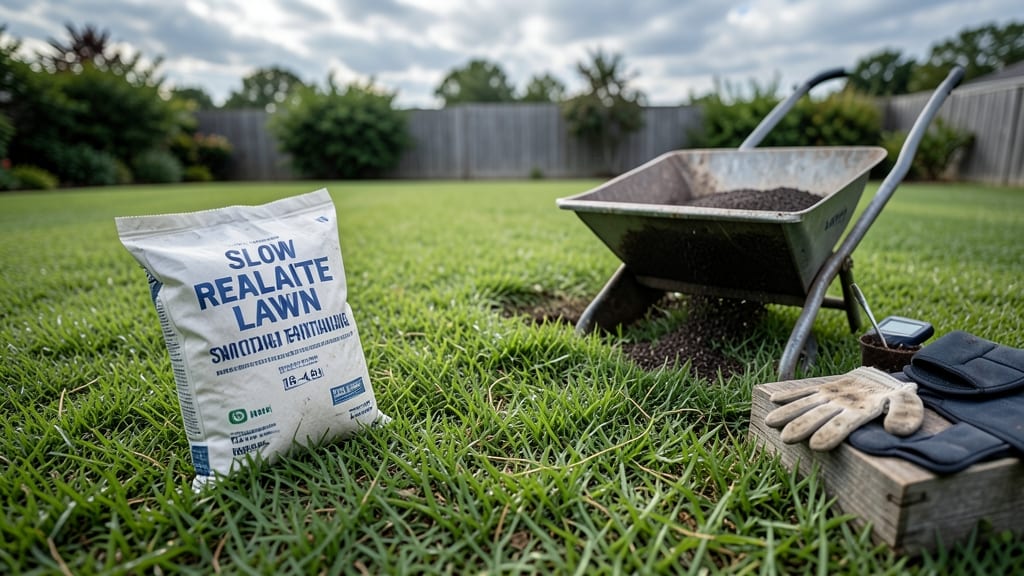
Fertilizing your Louisiana lawn at the right times means the difference between a lush, heat-resistant yard and one that struggles under the state’s humidity and heat.
Louisiana’s scorching summers and humid climate can turn your lawn into a battleground—unless you fertilize at the right times. Skip this schedule, and you’ll waste money on weak growth or even invite pests into your yard.
Most gardeners here make one of two mistakes: overdoing it in summer (which burns roots) or waiting too long in spring (when grass needs a jumpstart).
The key is a light feed in early spring to wake up dormant grass, followed by a heavier dose in late summer to prep for winter.
Below, I break down the exact months to fertilize, how to adjust for Louisiana’s clay-heavy soil, and which fertilizers actually work in this climate—no guesswork, just results.

Louisiana lawn fertilizing calendar: month-by-month heat-resistant timeline
Louisiana’s humid heat and heavy clay soils demand a precise fertilization schedule to keep your lawn thriving. Warm-season grasses like Bermuda and St. Augustine need strategic feeding to survive summer’s intensity, while cool-season fescue benefits from early-season prep.
Timing is everything—apply fertilizer too early, and you’ll waste nutrients; too late, and your grass won’t recover from heat stress.
This science-backed calendar aligns with Louisiana’s USDA Zones 8a-9b, balancing root growth, drought resistance, and pest prevention. Whether you’re dealing with hurricane season or scorching afternoons, these windows ensure your lawn stays lush without burning.
| Month | Grass Type | Fertilizer Type | NPK Ratio | Key Notes |
|---|---|---|---|---|
| January | Fescue (Cool-Season) | Slow-Release | 24-0-5 | Light feed to kickstart growth before warm weather |
| February | All Grasses | Balanced | 16-4-8 | Pre-emergent herbicide if needed; avoid over-fertilizing |
| March | Bermuda, Zoysia, St. Augustine | High Nitrogen | 30-0-4 | Critical for summer strength; apply before soil temps hit 65°F |
| April | All Warm-Season | Slow-Release | 16-4-8 | Maintain 1-inch growth; water deeply post-fertilization |
| May-June | All Grasses | Light Nitrogen | 10-0-10 | Reduce risk of fertilizer burn during peak heat |
| July-August | Bermuda, Zoysia | Potassium Boost | 10-0-20 | Strengthen drought resistance; avoid late summer feeds for St. Augustine |
| September | All Grasses | Balanced | 12-4-12 | Prep for hurricane season; focus on root depth |
| October | Fescue | Slow-Release | 20-5-10 | Transition to cool-season growth; avoid late feeds |
| November-December | All Grasses | None | — | Dormant season; skip fertilization entirely |
March is your most critical month—this is when warm-season grasses like Bermuda and Zoysia need a high-nitrogen boost to outpace weeds and heat stress. Use a 30-0-4 ratio for rapid green-up, but only if soil temps are above 65°F.
Pro tip: Test your soil first—Louisiana’s clay-heavy soils often need lime adjustments to prevent nutrient lockout.
Summer fertilization shifts to potassium-rich blends (like 10-0-20) in July-August to harden grass against hurricane winds and drought. Avoid feeding St. Augustine after July 1st—it’s prone to fungal diseases in humid heat. Instead, focus on deep watering (1-1.5 inches weekly) to keep roots cool.
Fall is your second-chance season. A light feed in September with 12-4-12 strengthens roots before winter, while October is ideal for fescue to establish before cold snaps. Skip winter fertilization entirely—grass goes dormant, and feeding can attract pests like chinch bugs.
For slow-release fertilizers, apply half the dose every 6-8 weeks to avoid spikes in growth that invite grubs or armyworms. Pair each feeding with 1/4-inch of compost to improve soil structure, especially in clay-heavy areas. Water
How to adjust fertilizer for Louisiana’s soil and weather challenges
Louisiana’s clay-heavy soils and humid summers demand special fertilizer adjustments to avoid burned grass or wasted nutrients. The key? Matching your fertilizer type to your lawn’s needs during hurricane season and peak heat. I’ve learned the hard way—over-fertilizing in August can turn your yard into a crispy brown wasteland.
Your first step is testing your soil’s pH and nutrient levels. Louisiana’s clay soils often lack organic matter, so a soil test from LSU AgCenter ($15) reveals if you need more nitrogen, phosphorus, or potassium.
Without this, you’re guessing—and guessing wrong can cost you both money and a lush lawn.
Here’s the pros-cons breakdown of fertilizer types for Louisiana’s climate:
Slow-Release vs. Quick-Release Fertilizer
Slow-Release
- Pros: Feeds grass steadily, reduces burn risk in 90°F+ heat
- Best for: Spring (March-April) and fall (Sept-Oct) root building
- Example: Osmocote or Milorganite
Quick-Release
- Cons: Burns grass in humidity >70%; needs frequent reapplication
- Best for: Emergency green-up (e.g., after hurricane damage)
- Example: Urea or ammonium sulfate
💡 Tip: Mix slow-release (70%) with quick-release (30%) in summer for balanced growth.
For clay soil, amend with compost or gypsum before fertilizing. Clay holds nutrients tightly, so aerate your lawn in spring to improve water and fertilizer absorption. I use a core aerator in March—it’s the difference between a lawn that drinks fertilizer and one that repels it.
Timing matters just as much as type. Avoid fertilizing during hurricane season (June-October) unless your lawn is recovering from storm damage. The high humidity and heavy rains wash away nutrients faster than grass can absorb them. Instead, fertilize in early spring (March) and late fall (November) for root strength.
Watch for fertilizer burn signs: yellow patches, crispy edges, or grass that feels like sandpaper. If you see these, flush the soil with water immediately and switch to a low-nitrogen formula (like 10-10-10) until your lawn recovers.
Patience is key—your lawn will thank you more than a quick fix ever could.
Finally, water deeply after fertilizing to help nutrients reach roots. In Louisiana’s heat, that means 1-1.5 inches of water within 24 hours. Use a rain gauge to measure—your sprinkler might be lying to you!