
Lawn
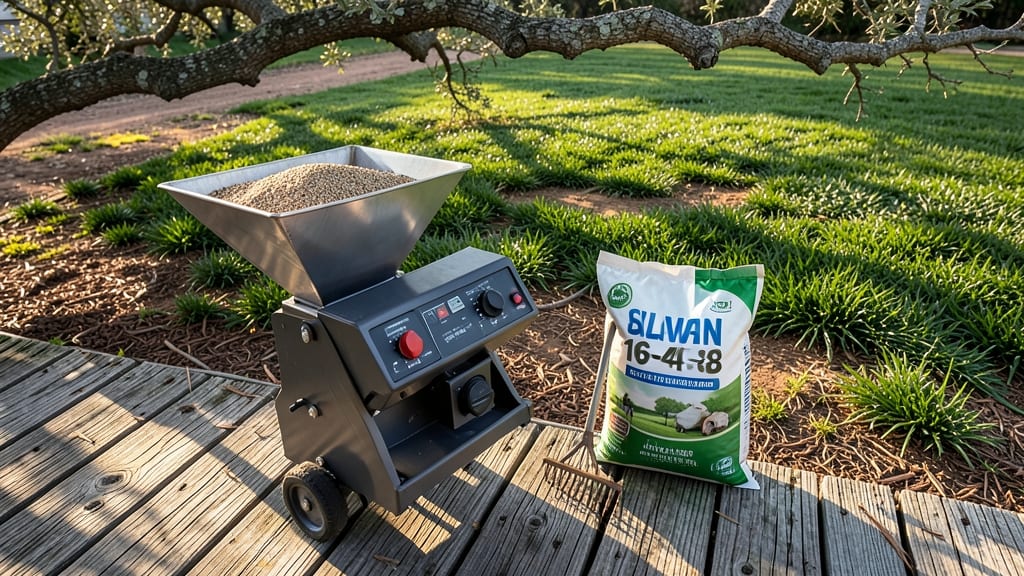
Fertilizing your lawn in Texas at the wrong time can turn your grass into a crispy mess—especially when the heat hits 100°F and the roots can’t keep up.
Texas summers can turn your lawn into a crispy wasteland if you fertilize at the wrong time—but timing it right means a lush, heat-resistant yard year-round. Here’s the science-backed schedule every Texas homeowner needs to avoid burning their grass.
Cool-season grasses like Bermuda and Zoysia thrive with spring and fall feedings, while St. Augustine needs extra care in the heat. The key? Avoid fertilizing when temps soar, or you’ll shock your lawn instead of nourishing it.
Below, I break down the month-by-month schedule for Texas lawns, including when to feed, how to water properly, and which fertilizers hold up in the heat—so you can skip the guesswork and keep your grass green.

Texas lawn fertilizing schedule by month: avoid heat shock
Timing your lawn fertilizer in Texas isn't just about seasons—it's about surviving the 100°F+ heat that can burn grass roots. Cool-season grasses like St. Augustine love spring/fall feeding, while warm-season grasses like Bermuda and Zoysia need summer nutrition—but never when temps exceed 90°F without proper watering.
The key? Fertilize when roots are actively growing, not when they're stressed.
Texas lawns thrive on a 3-phase feeding system: heavy in spring, moderate in summer (with caution), and light in fall. Skipping winter fertilization is smart—grass growth slows, and excess nutrients can leach into groundwater.
I’ve learned this the hard way after turning my St. Augustine into a crispy mess by fertilizing in August. Let’s fix that.
Here’s your month-by-month Texas fertilization guide, tailored for the three most common grasses, with heat-shock prevention tips included. Remember: always water deeply before and after applying fertilizer to avoid root burn.
For Bermuda grass, I swear by a pre-emergent herbicide in late winter followed by a high-nitrogen kick in April. But here’s the catch: if your lawn looks blue-gray in summer, it’s
Signs your Texas lawn needs fertilizer (vs. just water)
Your Texas lawn might be begging for fertilizer, but how do you tell if it’s a nutrient deficiency or just drought stress? The key lies in the color and texture of your grass.
A yellow lawn often signals nitrogen deficiency, while brown patches usually mean your grass is thirsty—not hungry. Let’s break down the visual cues and soil tests to avoid over-fertilizing in our brutal summers.
First, walk your lawn in the early morning when dew is present. Press your thumb into the soil—if it feels dry 1-2 inches down, watering is the priority.
But if the soil is moist and your grass blades still look pale or weak, it’s time for fertilizer. St. Augustine and Bermuda grass are especially sensitive to nutrient imbalances, so don’t wait until the damage is severe.
🚨 PROS-CONS BOX 🚨
Uniform color, not patchy
Dry, crispy patches
pH 6.0–7.0, low NPK
Water first, then reassess
Weak stems, sparse blades
Black spots, chewed edges
Ideal fertilization window
Risk of burning grass
Texas homeowners often make the mistake of over-fertilizing in summer to “green up” their lawns quickly. But high temperatures (above 90°F) can burn grass and waste nutrients. If you must fertilize in summer, choose a slow-release formula and apply it before 10 AM to reduce stress. Aerate first—compacted soil blocks nutrient absorption, so rent a core aerator or hire a pro for best results.
For a DIY soil test, grab a handful of soil and mix it with water in a jar. Shake it, then let it settle. If the organic layer (dark, muddy part) is thin, your soil lacks nutrients.
Add compost or organic fertilizer like alfalfa meal for a slow, steady boost. Synthetic fertilizers work faster but can leach into groundwater if overused—especially in our clay-heavy Texas soils.
Remember: Watering deeply 2–3 times a week (1–1.5 inches per session) is just as critical as fertilizing. If your lawn is brown but springs back green after watering, it’s drought-tolerant and doesn’t need extra nutrients.
But if the yellowing persists even after hydration, grab that fertilizer spreader—your grass is hungry, not just thirsty.
Pro tip: Mow high in summer (3–4 inches) to shade roots and retain moisture.
This reduces the need for extra fertilizer by helping your lawn conserve resources naturally. Zoysia grass, for example, thrives on less frequent feeding than St. Augustine, so adjust your schedule based on your grass type.