
Lawn
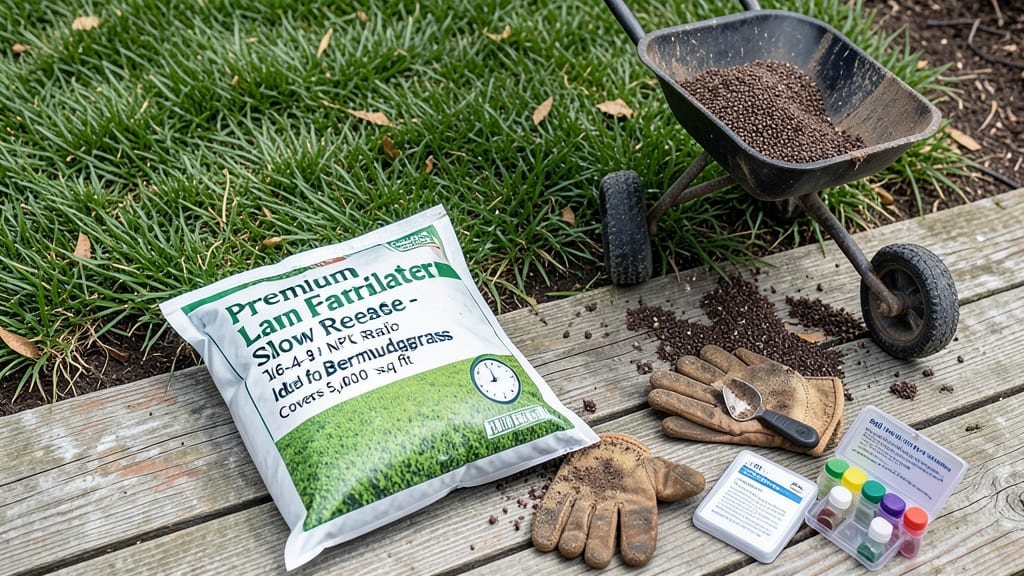
Fertilizing your lawn in Texas at the wrong time can turn your 🌱 green dream into a crispy brown mess—and most gardeners don’t realize they’re doing it until it’s too late.
Texas lawns face brutal heat, drought, and soil challenges—fertilizing at the wrong time can waste money and harm your grass instead of helping it thrive.
The key to a perfect Texas lawn isn’t guessing by the calendar but reading your soil’s temperature. Most warm-season grasses like Bermuda and St. Augustine need fertilizer when soil hits 60–75°F, while cool-season grasses like ryegrass prefer cooler months.
Below, I’ll break down the exact soil temperature triggers for each grass type, regional differences across North vs. South Texas, and how to test your soil at home to avoid costly mistakes.

Texas lawn fertilization schedule by soil temperature (not calendar months)
Most Texas gardeners rely on calendar months to fertilize their lawns, but that approach often leads to wasted money and stressed grass. The real secret? Soil temperature, not air temperature, determines when your lawn can safely absorb nutrients.
Warm-season grasses like Bermuda and St. Augustine thrive when soil is between 65°F and 85°F, while cool-season grasses like ryegrass prefer 50°F to 65°F. Ignoring this rule means risking fertilizer burn or nutrient runoff during Texas's extreme heat.
Texas lawns face brutal heat, drought, and soil challenges—fertilizing at the wrong time can waste money and harm your grass instead of helping it thrive. The key is understanding how soil temperature influences nutrient uptake, which varies dramatically across North Texas, Central Texas, and South Texas.
For example, Bermuda grass in Houston may need fertilizing in April, while the same grass in Amarillo won't be ready until May due to cooler soil.
| Grass Type | Optimal Soil Temp for Fertilizing (°F) | Best Time of Year in Texas | Key Warning Signs of Wrong Timing |
|---|---|---|---|
| Bermuda Grass | 65°F–85°F | March–April (spring) & September–October (fall) | Yellowing, crispy patches, slow recovery |
| St. Augustine | 68°F–82°F | April–May & September | Brown tips, fungal spots, weak growth |
| Zoysia Grass | 60°F–80°F | April & September–October | Stunted growth, purple discoloration |
| Buffalo Grass | 55°F–75°F | March–April & September | Thinning patches, slow regrowth |
| Ryegrass (Cool-Season) | 50°F–65°F | September–October (fall only) | Yellowing, weak roots, winter die-off |
For Bermuda grass, the most popular choice in Texas, aim for soil temperatures between 65°F and 85°F. This typically aligns with March–April for spring fertilization and September–October in the fall.
If you fertilize when soil temps exceed 85°F, your grass will struggle to absorb nutrients, leading to yellowing and crispy patches. I’ve seen this happen in Dallas when gardeners rush to fertilize in May—the soil is often still too hot for safe application.
If you're unsure about your soil temperature, grab a soil thermometer (available for under $20) and check the temperature 2–4 inches deep, where most grass roots absorb nutrients.
In South Texas, soil can hit 90°F+ by mid-March, while North Texas may not reach optimal temps until late April. Adjust your schedule based on these readings—this small step can save you from wasting $50+ on ineffective fertilizer.
Another critical factor is soil moisture. Fertilizing dry soil can cause nutrient burn, even at the right temperature. Always water your lawn 24 hours before and after applying fertilizer to ensure nutrients reach the roots.
In Central Texas, where droughts are common, I recommend using slow-release fertilizers to prevent runoff and maximize efficiency during dry spells.
For St. Augustine grass, which thrives in shadier areas but requires more frequent watering, the ideal soil temperature range is slightly narrower: 68°F–82°F. This grass is more sensitive to heat stress, so avoid fertilizing during summer months unless you’re using organic options like compost tea.
In Houston, I’ve noticed that late September is often the last safe window for fall fertilization before soil temps drop too low.
One common mistake I see in Texas lawns is fertilizing based on air temperature rather than soil temperature. For example, a 75°F day in March might feel comfortable, but the soil could still be below 60°F—far too cold for nutrient uptake.
Always check the soil, especially in elevated areas of your yard, where temps can be 5–10°F warmer than shaded spots.
Pro tip: If you’re using a lawn care service, ask them about their soil
How to test soil temperature at home (and why DIY matters)
Texas lawns thrive when fertilized at the right time—but soil temperature, not just air temperature, determines the perfect window. Skipping this step can lead to fertilizer burn, wasted money, or even stunted grass growth.
I’ve learned the hard way that spring and fall are ideal, but only if your soil is ready. A simple soil thermometer ($15 or less) can save your lawn from costly mistakes.
Most gardeners focus on calendar months, but soil temperature varies widely across Texas—even in the same neighborhood. North Texas soils can be 10°F cooler than South Texas in spring, while summer heat can push temps above 90°F in just hours.
Without testing, you might fertilize too early or late, stressing your grass. I’ll show you how to measure accurately and adjust your schedule to match Texas A&M’s recommended ranges.
Here’s how to test your soil temperature in 5 simple steps—no guesswork required:
- North Texas (Zones 8a-8b): Fertilize when soil hits 65°F+ (late March–early April).
- Central Texas (Zones 8b-9a): Wait for 70°F+ (early April–mid-April).
- South Texas (Zones 9b-10b): Soil at 75°F+ signals go-time (late April–May).
Pro tip: Test soil temperature early morning (before 9 AM) for the most accurate reading. Texas’s afternoon heat can skew results by 10°F or more. I test 3 spots in my yard—shady areas stay cooler, so adjust your schedule accordingly.
For St. Augustine or Bermuda grass, stick to 60-75°F ranges; Zoysia tolerates slightly warmer soil (70-80°F).
Once you master soil temp testing, you’ll fertilize with confidence—no more wasted bags or stressed lawns. Next, I’ll cover how to adjust your fertilizer blend based on Texas’s clay-heavy soils and drought risks. Trust me, your grass will thank you!
🌱