
Lawn
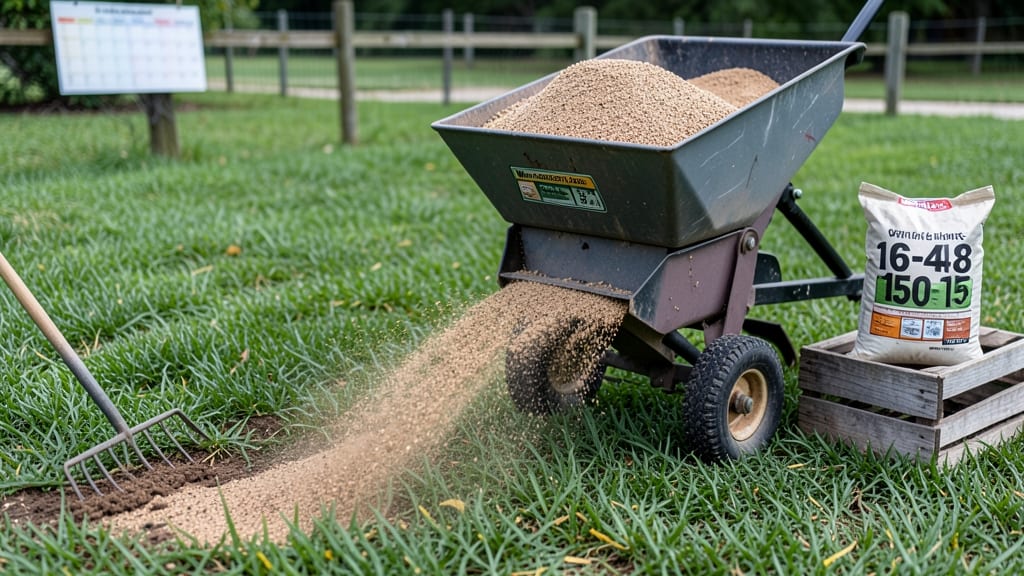
Fertilizing your lawn in Florida at the right time can mean the difference between a lush, green carpet and a struggling patch of brown 🌱—and it’s not just about the calendar.
Florida’s scorching summers and unpredictable rain can turn your lawn fertilization routine into a guessing game—apply too early, and you risk burning your grass; too late, and you’ll miss peak growth. Timing isn’t just about the calendar; it’s about soil temperature, grass type, and heat tolerance.
Warm-season grasses like St. Augustine and Bahiagrass thrive when soil temperatures hit 55°F–90°F, which means late spring and early fall are your best bets. But cool-season grasses?
They need a different approach entirely. If you’re in North Florida, you might even catch a window in early spring before the heat sets in.
In this guide, I’ll break down the exact months to fertilize for your Florida zone, the best types of fertilizer for summer heat, and how to avoid common mistakes that waste money and harm your lawn. Ready to keep your grass growing strong all year?

Florida lawn fertilization timeline: soil temperature triggers for optimal growth
Fertilizing your Florida lawn at the wrong time can mean wasted money—or worse, stressed grass that browns under the sun. The key to success? Soil temperature acts as your natural clock. Most Florida grasses thrive when soil temps hit 65°F–85°F, but timing varies by grass type and region.
Warm-season grasses like St. Augustine and Centipede need late spring feedings, while cooler-season Ryegrass (rare in Florida) prefers fall.
North Florida’s cooler winters (Zone 8) allow for earlier spring feedings, while South Florida’s (Zone 10) year-round warmth means summer fertilization is possible—but only with slow-release fertilizers to prevent burn.
Central Florida (Zone 9) falls in between, with a 6–8 week window between late April and early June for peak growth. Let’s break it down by soil temp triggers and grass type so you never miss the window.
🌱
For St. Augustine grass, the late spring window (April–June) is non-negotiable. This grass loves warmth but wilts under summer’s 90°F+ soil temps. Apply a slow-release fertilizer with a 16-4-8 NPK ratio when soil hits 70°F—this triggers root expansion before the heat peaks.
In South Florida, where summers are relentless, Centipede grass can handle a May–July feeding, but only if you use a low-nitrogen blend (like 10-0-10) to avoid stress.
If you’re in North Florida, your cool-season grasses (like Tall Fescue) will need a fall feeding in September–October when soil cools to 65°F–75°F. This helps them establish before winter’s mild chill. Pro tip: Use a soil thermometer ($15 at garden centers) to check temps—don’t guess!
Most Florida lawns peak in late spring, so mark your calendar for April 15–May 15 as your primary fertilization window.
🌡️
One common mistake? Fertilizing after rain or during droughts. Overwatering washes nutrients away, while dry soil concentrates fertilizer, burning roots. Always water deeply 24 hours before and after applying fertilizer to protect your grass.
For Bahiagrass, which thrives in South Florida’s heat, a June feeding with a high-potassium fertilizer (like 10-10-20) can boost drought resistance—just don’t overdo it.
In Central Florida, where Zoysia grass is popular, aim for two feedings: one in late spring (May) and another in early fall (September). Zoysia goes dormant in winter
Heat-resistant fertilizer types: what to use in Florida’s summer heat
Florida’s summer heat doesn’t have to mean stressed grass. The right heat-resistant fertilizer can make all the difference between a lush lawn and brown patches. Unlike cooler climates, Florida’s 90°F+ soil temps demand fertilizers that release nutrients slowly to prevent burn.
Quick-release options like standard synthetic blends can scorch grass roots when applied in peak heat, while organic and slow-release fertilizers provide steady nutrition without stress.
Choosing between organic (like Milorganite) and synthetic (like Scotts Turf Builder SummerGuard) depends on your grass type and soil. Organic options break down gradually, making them ideal for Centipede and St. Augustine in South Florida’s Zone 10.
Synthetic blends, however, offer precise NPK ratios tailored to Florida’s high-nitrogen needs during spring growth spurts. For most Florida lawns, a 16-4-8 NPK ratio works best in late spring, while low-nitrogen blends (like 10-0-10) are safer for summer applications.
For St. Augustine grass, I recommend Milorganite in late spring when soil temps hit 70°F. Its 6-4-0 NPK ratio provides balanced nutrition without overwhelming roots during Florida’s peak growth window.
In contrast, Bahiagrass in North Florida’s Zone 8 benefits from Scotts Turf Builder SummerGuard in May, thanks to its heat-block technology that reduces burn risk. Always pair fertilizers with deep watering—apply fertilizer in the early morning and water immediately afterward to help nutrients absorb before the sun peaks.
Organic options like Espoma Turf-Tone are my go-to for Centipede grass in South Florida’s Zone 10. Its mycorrhizal fungi strengthen roots, helping grass withstand 90°F+ soil temps without stress.
For Zoysia grass, which thrives in Central Florida’s Zone 9, a 10-10-20 NPK blend in late spring encourages dense growth before summer dormancy. Avoid high-nitrogen fertilizers (like 30-0-4) in summer—they’ll shock your grass when temps exceed 85°F.
Pro tip: If you’re fertilizing in June or July, always use a slow-release formula. Quick-release nitrogen can turn your lawn into a burnt crisp within days. For organic lovers, composted manure or fish emulsion are great summer alternatives, but they require monthly applications to match synthetic results.
No matter what you choose, test your soil first—Florida’s sandy soils often lack phosphorus, which is crucial for root development.
🌿