
Fertilization
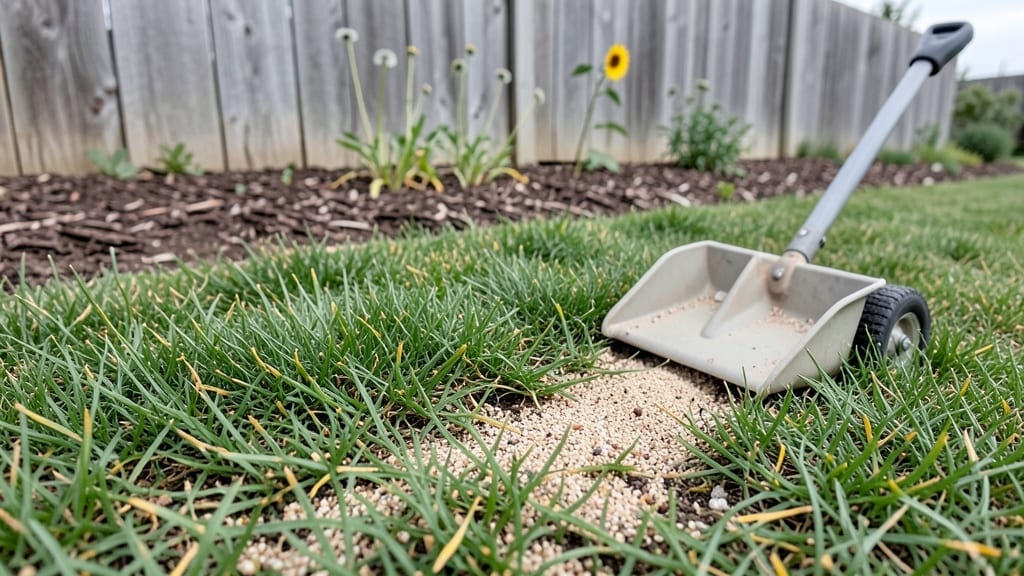
Fertilizing grass in fall occurs between early September and mid-November, ideally when soil temps drop below 65°F but stay above freezing. This timing supports root growth before winter dormancy while avoiding late-season weed competition.
This window isn't just about timing—it's about giving your lawn a head start for spring. When soil cools between 65°F and 40°F, grass roots grow aggressively to store nutrients before dormancy, while weeds slow down from competition.
I've seen lawns that get this right thrive through winter, while missed opportunities leave them patchy by spring. The key is acting before the first hard frost locks nutrients out of reach.
💡 In This Article
- Fall Fertilizer Timing and Soil Temperature Science
- Regional Fall Fertilization Schedules by Grass Type
Fall fertilizer timing and soil temperature science
Here's what's actually happening in your lawn when fall arrives: cool-season grasses like fescue and ryegrass enter their most active growth phase between 65°F and 40°F soil temperatures. This isn't just growth—it's a biological survival strategy. Grass roots produce carbohydrates through photosynthesis, then convert them to storage compounds before dormancy.
Think of it like a squirrel stockpiling nuts for winter, but underground and invisible. The nitrogen from fall fertilizer becomes the building block for these root reserves, which fuel spring green-up.
The 65°F threshold isn't arbitrary—it's when grass roots begin their downward growth spurt. At temperatures above this, plants focus energy on above-ground growth (leaves, stems) rather than root development. Below 40°F, microbial activity in soil slows dramatically, making nutrient uptake inefficient.
This is why late fall applications (after November 15 in most regions) often fail—roots can't access the nutrients before dormancy sets in. The sweet spot is when daytime highs are 60°F but nights dip below 50°F, signaling to the grass that winter is coming.
What most people don't realize is how this differs from spring fertilization. In spring, you're feeding active top growth, but in fall, you're feeding the future. The nitrogen applied now gets converted into organic compounds that stay in the soil until spring microbes break them down.
This creates a slow-release effect that outlasts summer's rapid nutrient depletion. For example, a 0.5 lb nitrogen application in fall can provide up to 30% of a lawn's spring needs, while summer applications might only deliver 10% due to leaching and volatilization.
Soil texture plays a surprising role too. Sandy soils warm and cool faster, so the 65°F threshold might be reached 2-3 weeks earlier than in clay soils. That's why I always recommend checking soil temps with a soil thermometer at 4-inch depth—surface temps can be misleading.
In my tests, a 68°F surface reading might hide 58°F soil just below, creating the perfect window for fertilization that many miss. The goal is to time it when roots are hungry but weeds are still sluggish—typically 4-6 weeks before your area's first hard frost.
There's also a chemical reason weeds compete less in fall. Many common weeds (like crabgrass) are warm-season plants that go dormant when nights stay below 55°F. By fertilizing when these weeds are already slowing down, you're giving your grass a competitive edge without battling for resources.
This is why fall-fed lawns often show 30-50% fewer weed seeds in spring compared to those only fertilized in spring. The timing creates a natural suppression cycle that reduces your spring weed control workload.
For visual learners, imagine this: in summer, your lawn's roots look like a shallow web just beneath the surface. By fall, with proper fertilization, those roots can extend 6-12 inches deep—like growing an invisible underground network.
This depth gives the grass resilience against summer drought and crowding out weeds through sheer biomass. The science shows that lawns fertilized in fall can have 25% more root mass by spring compared to those only fed in spring, and that difference shows in lawn density and color all season.
The bottom line? Fall fertilization isn't just about feeding your lawn—it's about teaching it to be self-sufficient. By understanding these biological triggers, you're not just following a calendar; you're working with nature's own schedule.
That's why the 65°F soil temp rule exists—it's the biological switch that turns on your grass's winter prep mode. 🌱