
Fertilization
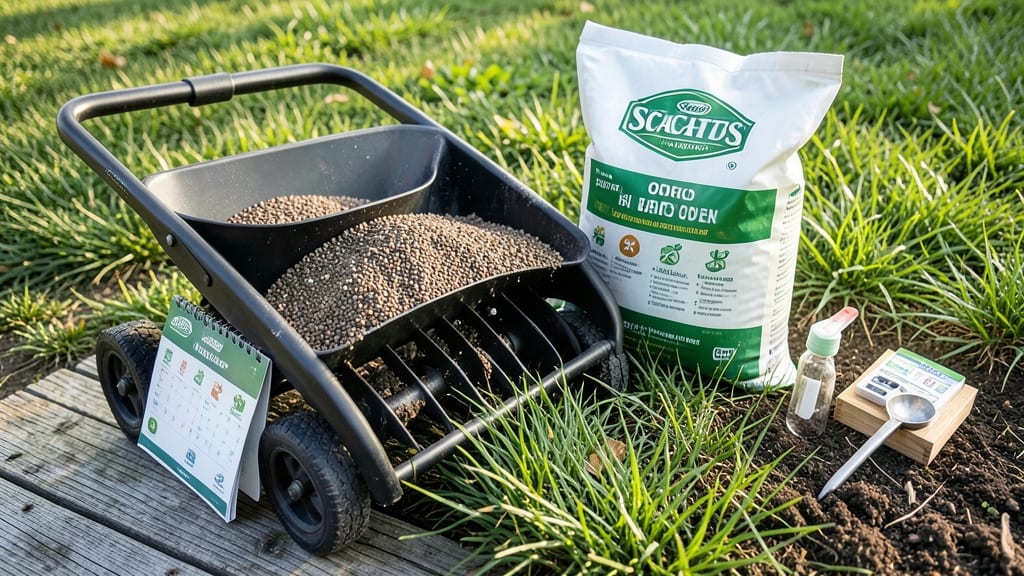
To fertilize lawns in Ohio, the ideal times are early spring (March-April), late spring (May), mid-summer (July-August), and fall (September-October), when soil temperatures stay above 55°F and grass actively grows for maximum nutrient uptake.
Ohio's climate creates distinct windows where grass thrives—cool-season grasses like Kentucky bluegrass peak in spring and fall, while warm-season grasses like Bermuda take center stage in summer. 🌱 I've learned that skipping these timing cues often leads to wasted fertilizer or weak growth.
The 55°F soil temperature threshold isn't arbitrary: below that, microbial activity slows, making nutrients inaccessible to roots. For best results, I recommend testing your soil first—many Ohio yards benefit from a pH adjustment before applying fertilizer, especially in clay-heavy regions.
Each season demands a different approach: spring feeds new growth, summer supports heat stress recovery, and fall strengthens roots for winter. My go-to method is using a slow-release fertilizer in spring/fall and a quick-release option mid-summer when grass recovers from drought.
Always water deeply after application—this helps nutrients penetrate the soil rather than sitting on the surface.
💡 In This Article
- Ohio Lawn Fertilization Timeline Based on Soil Temperature
- Step-by-Step Fertilizer Application Guide for Ohio Lawns
Ohio lawn fertilization timeline based on soil temperature
The 55°F soil temperature threshold isn't just a number—it's the biological sweet spot where soil microbes wake up from dormancy and start breaking down organic matter into plant-available nutrients. Below this temperature, microbial activity slows dramatically, leaving fertilizer nutrients locked away in the soil.
This is why early spring applications in March-April work best: Ohio's average soil temps hit 55°F around mid-April in most regions, but southern Ohio may reach it as early as late March. 🌱 Think of it like waking up from hibernation—both grass roots and soil microbes need that temperature nudge to become active.
Seasonal shifts create distinct growth cycles that dictate when fertilization works best. Cool-season grasses like Kentucky bluegrass and fescue dominate Ohio lawns and peak in spring (March-May) and fall (September-November), while warm-season grasses like Bermuda and zoysia take over summer (June-August).
The 55°F rule applies to both, but the timing differs: cool-season grasses need nutrients when they're actively growing (spring/fall), while warm-season grasses require summer feeding to combat heat stress. Many homeowners make the mistake of fertilizing in winter—when soil temps drop below 40°F, nutrients simply sit unused until spring.
Ohio's climate zones add another layer: northern regions (like Toledo) experience cooler springs, delaying the 55°F trigger by 2-3 weeks compared to southern areas (like Cincinnati). This is why I always recommend checking soil temps with a soil thermometer—they're inexpensive and prevent wasted fertilizer.
The 60-70°F range is ideal for microbial activity, which is why late spring and summer applications often yield the best results for warm-season grasses. For cool-season grasses, fall fertilization becomes critical as roots prepare for winter dormancy—this is when they absorb nutrients most efficiently before growth slows.
What most people don't realize is how rainfall patterns interact with soil temperature. Ohio's spring showers help dissolve fertilizer granules, but summer droughts can concentrate salts in the soil, burning grass roots.
This is why mid-summer applications should use slow-release fertilizers that provide nutrients over 6-8 weeks, matching the grass's growth cycle.
The key is matching fertilizer type to both soil temperature and expected rainfall—watering deeply after application (about 1 inch) helps nutrients reach the root zone rather than sitting on the surface where they can burn tender grass blades.
For visual learners, imagine this: in spring, grass blades emerge like green arrows pointing upward, while roots grow downward—fertilizer needs to fuel both. In summer, grass goes into survival mode, so nutrients help repair heat damage. Fall is about storage: roots bulk up like squirrels gathering nuts for winter.
Each season's fertilization aligns with these biological rhythms, not just calendar dates. 🌿 The 55°F rule serves as the biological clock that tells you when to press "go" on the fertilizer application.
Pro tip: If you're unsure about your soil temperature, perform the "finger test"—stick your finger about 4 inches deep into the soil. If it feels cooler than your wrist, it's likely below 55°F.
This simple check saves money and prevents over-fertilization, which can harm lawns by promoting thatch buildup or nutrient runoff. Ohio's variable climate means no single date works for everyone—always let soil temperature guide your timing.