
Lawn
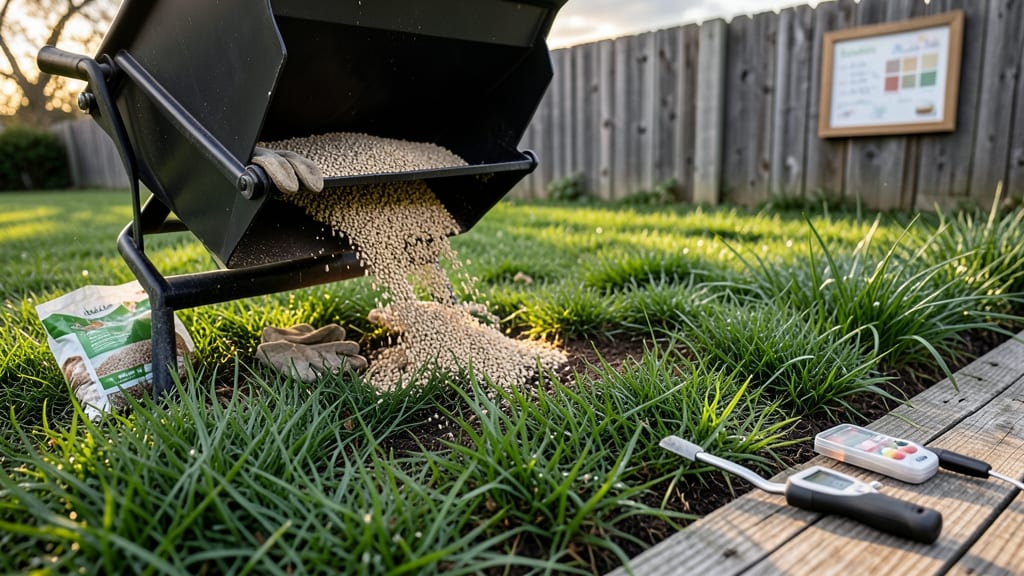
Best seasonal times to fertilize your lawn for root growth
Timing your lawn fertilization isn't just about throwing down fertilizer when you remember—it's a science-backed strategy to build deep, resilient roots.
The right seasonal schedule ensures nutrients are absorbed efficiently while avoiding waste or damage. Grass growth patterns and temperature thresholds dictate when to feed, and missing these windows can leave your lawn weak and patchy.
Most gardeners focus on spring and summer, but the real magic happens in early spring when soil warms and grass breaks dormancy. This is when roots wake up and absorb nutrients most aggressively.
Southern climates may extend this window by a month, while northern regions should wait until soil reaches 55°F (13°C)—usually late April or early May.
⚠️ CRITICAL INSIGHT: Fertilizing too early (when soil is still cold) locks nutrients in the soil, making them unavailable to your grass. Always check soil temperature with a soil thermometer—it’s your best tool for precision timing.
| Season | Ideal Fertilization Window | Temperature Threshold | Northern Climate | Southern Climate |
|---|---|---|---|---|
| Early Spring | March–April (after last frost) | 55°F (13°C) soil temp | Late April–May | February–March |
| Late Spring | May–June | 60°F+ (15°C+) | May–June | April–May |
| Summer | July–August (light feed) | Avoid >90°F (32°C) | July (early morning) | June–July |
| Fall | Skip (or late Sept) | Soil <60°F (15°C) | None | None |
| Winter | Dormancy (no feed) | Below 40°F (4°C) | None | None |
Summer fertilization demands caution. High temperatures and drought stress make grass vulnerable to fertilizer burn. Always opt for a slow-release, water-insoluble fertilizer and apply it in the early morning or evening when evaporation is minimal.
Southern lawns may need a light feeding in June, but northern climates should wait until July—if at all.
Fall is a common misstep—many gardeners fertilize to "green up" their lawn before winter, but this encourages late-season growth that weakens before frost. Instead, focus on aerating and overseeding in early fall to prep for spring.
The only exception? A low-nitrogen winterizer in late October for northern zones to strengthen roots before dormancy.
Winter fertilization is a myth. Grass goes dormant, and cold soil blocks nutrient absorption. Skip fertilizing entirely until soil warms in spring. However, if you’re in a mild-winter zone (USDA 8+), a light feeding in December can support evergreen grasses like Bermuda or Zoysia.
Regional adjustments are key. In humid southern climates, fertilize earlier and more frequently due to faster nutrient depletion. In dry western regions, water deeply after feeding to prevent runoff. Always test your soil—a pH of 6.0–7.0 ensures optimal nutrient uptake.
Pro tip: Use a fertilizer with a 24-0-5 or 25-0-5 NPK ratio (high nitrogen, low phosphorus/potassium) for lawns. This supports leafy growth and root development without overloading the soil. Apply 1 lb per 100 sq ft and water immediately to activate nutrients.
By aligning your fertilization schedule with grass growth cycles and climate, you’ll build a lawn with deep roots, vibrant color, and resilience—no guesswork required. Start with early spring, adjust for your region, and watch your lawn thrive. 🌱
How to adjust fertilization based on your grass type and climate
Not all grass is created equal—and neither are their fertilization needs. Cool-season grasses like Kentucky bluegrass and fescue thrive in spring and fall, while warm-season grasses such as Bermuda and Zoysia peak in late spring and summer.
Your local humidity, rainfall, and altitude also play a role in when to feed your lawn. For example, high-altitude areas may need earlier spring feedings due to cooler soils.
Start by identifying your grass type—most seed bags or local extension offices can help. Cool-season grasses should get their first feeding in early spring (March-April) and a second in early fall (September-October) to strengthen roots before winter.
Meanwhile, warm-season grasses need their first feeding in late spring (May-June) and a second in early summer (July-August) to support summer growth.
If you live in a humid climate, like the Southeast, avoid fertilizing during peak summer months (July-August) to prevent fungal diseases. Instead, opt for slow-release fertilizers in early summer.
For dry or high-altitude regions, like the Southwest or Rocky Mountains, fertilize 2-3 weeks earlier than the general schedule to account for slower soil warming.
Always test your soil before fertilizing—most extension offices offer free or low-cost testing. A pH of 6.0-7.0 is ideal for most grasses, but acid-loving fescue may need lime adjustments.
Pair fertilization with proper watering: Apply fertilizer in the early morning and water deeply afterward to help nutrients absorb into the soil.
Overlooking your grass type or climate can lead to nutrient burn, weak growth, or weed invasions. For example, fertilizing warm-season grass in fall can leave it vulnerable to frost damage. Use this guide as your personalized fertilization roadmap—adjust based on your lawn’s response and local weather patterns.
Pro tip: Mark your calendar with reminders for each feeding window and keep a lawn journal to track which fertilizers and schedules work best for your specific grass type and microclimate. 🌱