
Lawn
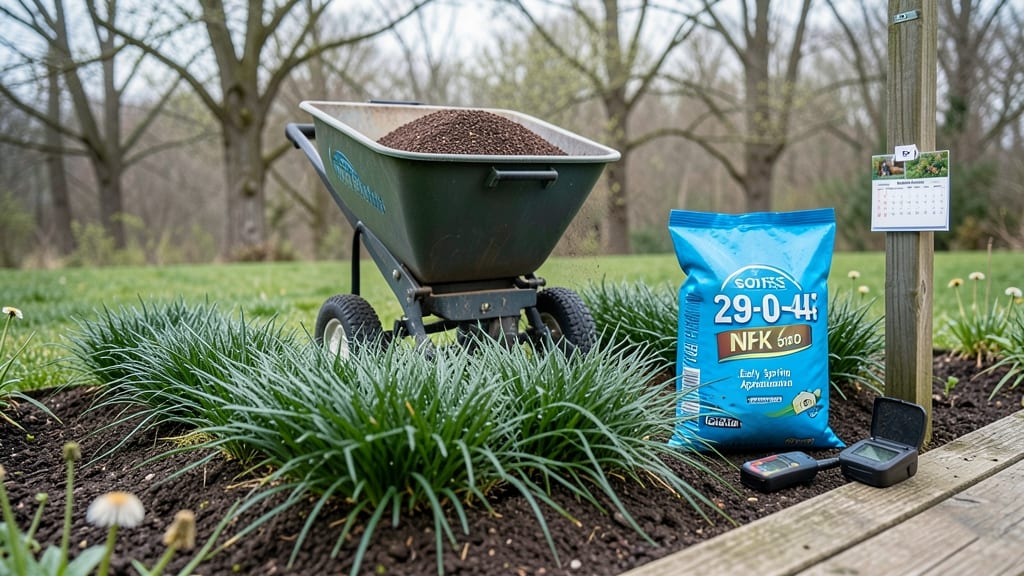
Fertilizing your lawn at the right time is the secret to that deep green glow that makes neighbors stop and stare 🌱 — and skipping the window can leave you with a patchy, struggling yard no matter how much you water.
Picture this: you’ve just invested in premium fertilizer, spread it evenly, and watered it in—only to see little improvement. That’s because timing matters more than product. Too early, and nutrients get wasted; too late, and your grass misses its growth spurt.
Most lawns need three key feedings a year: early spring to kickstart growth, late spring for peak vigor, and fall to strengthen roots before winter. But your local climate and grass type can shift those windows by weeks—or even months.
In this guide, I’ll break down the exact months to fertilize based on your zone, how to spot when your lawn is truly ready, and the three mistakes that turn good fertilizer into wasted money.

Best seasons and months to fertilize your lawn for optimal growth
Timing your lawn fertilization is like catching the tide—get it right, and your grass thrives; miss it, and you're fighting an uphill battle. The best times to fertilize depend on your climate zone and grass type, but the golden windows are early spring and early fall.
These periods align with your grass's natural growth cycles, ensuring nutrients are absorbed efficiently for root development and leaf density.
In USDA Zone 6 (like much of the Midwest and Northeast), your lawn typically wakes up from dormancy in March or April, making early spring the perfect time to kickstart growth. Meanwhile, late summer to early fall (August-September) is ideal for strengthening roots before winter.
But if you live in warmer climates, like the South, your timing might shift to late spring and fall to avoid summer heat stress.
Here’s a quick breakdown of when to fertilize based on seasons, with data-driven triggers to maximize results:
Spring fertilization is all about jumpstarting growth. Apply your first dose when soil temperatures hit 50–60°F, typically in March or April. This aligns with cool-season grasses (like Kentucky bluegrass or fescue) waking up from dormancy.
Use a high-nitrogen fertilizer (like 24-0-5) to promote leafy growth, but avoid fertilizing if frost is forecasted within 48 hours—it can burn tender new shoots.
Summer fertilization requires caution. If you’re in a hot, dry climate, like the Southwest, skip heavy feeding in June–July to prevent grass burn.
Instead, opt for a light, slow-release fertilizer in late summer (August) to prep for fall. Warm-season grasses (like Bermuda or Zoysia) thrive here, but they need less nitrogen in peak heat—focus on potassium and phosphorus for root strength.
Fall is your second critical window. Aim to fertilize 6–8 weeks before your first frost (usually August–September in Zone 6). This timing helps grass store nutrients for winter survival and develop deeper roots.
Choose a low-nitrogen, high-phosphorus blend (like 5-10-5) to encourage root growth without promoting late-season top growth, which can be damaged by frost.
Winter fertilization is a big no-no. Grass goes dormant when soil temps drop below 50°F, and fertilizing won’t help—it can even wash away or leach into groundwater. Instead, focus on light raking to remove debris and aerating in early spring to prep for your first feeding.
If you’re in a mild-winter zone (like Southern California), you might spot winter weeds—this is your cue to pre-emergent herbicide in late winter (February).
Pro tip: Pair fertilization with proper watering. Always water your lawn deeply (1 inch) before and after applying fertilizer to help nutrients penetrate the soil. Early morning is best—it reduces evaporation and fungal risks from overnight moisture.
For new lawns, wait until they’ve been established for 6–8 weeks before fertilizing to avoid shocking young roots.
Climate plays a huge role. In the Northern U.S., aim for March and September feedings, while Southern regions might shift to April and October. Use a soil thermometer
How to adjust fertilization timing based on grass type and local weather patterns
Not all lawns thrive on the same fertilization schedule. Your grass type and local climate play huge roles in determining the best times to feed your lawn.
Cool-season grasses like Kentucky bluegrass and fescue grow best in spring and fall, while warm-season grasses like Bermuda and Zoysia peak in late spring and summer. Ignoring these differences can lead to weak growth or even lawn burn.
Regional weather patterns also shift fertilization windows. In the Northern U.S., where winters are harsh, focus on early spring applications to jumpstart growth after dormancy. Meanwhile, Southern climates with mild winters allow for year-round feeding, though summer heat demands extra caution to avoid stressing the grass.
Soil temperature is your best guide. For cool-season grasses, fertilize when soil temps are between 50°F and 65°F. Warm-season grasses need soil temps above 65°F—waiting until then prevents wasted nutrients. Use a soil thermometer to check before applying fertilizer.
| Grass Type | Best Fertilization Time | Soil Temp Threshold | Climate Adaptation |
|---|---|---|---|
| Cool-Season (Fescue, Bluegrass) | Early Spring (March-April), Fall (Aug-Sept) | 50°F–65°F | Northern U.S.: 3-4 feedings/year; Southern U.S.: 2 feedings |
| Warm-Season (Bermuda, Zoysia) | Late Spring (May-June), Summer (July-Aug) | 65°F+ | Southern U.S.: 4-5 feedings/year; Northern U.S.: 2-3 feedings |
| Drought-Prone Areas | Early Spring Only | 55°F+ (after rain) | Use slow-release fertilizer; avoid summer feeding |
Drought conditions demand special attention. If your area faces water restrictions or prolonged dry spells, skip summer fertilization entirely. Grass goes dormant to conserve water, and feeding during drought can burn roots and waste nutrients. Instead, focus on deep watering and spring soil prep with compost to build resilience.
For Southern lawns, where growing seasons stretch longer, split fertilization into 4-5 applications—early spring, late spring, early summer, and fall. In contrast, Northern lawns benefit from 3 feedings: spring, summer (if temps stay mild), and fall.
Always apply fertilizer in the early morning to reduce evaporation and give grass time to absorb nutrients before heat sets in.
Watch for signs your lawn needs adjustment: yellowing or thinning grass signals missed feeding windows, while dark green growth after fertilization confirms you’re on track. Fine-tune your schedule yearly based on weather patterns and grass health—your lawn will thank you with deep roots and vibrant color.