
Lawn
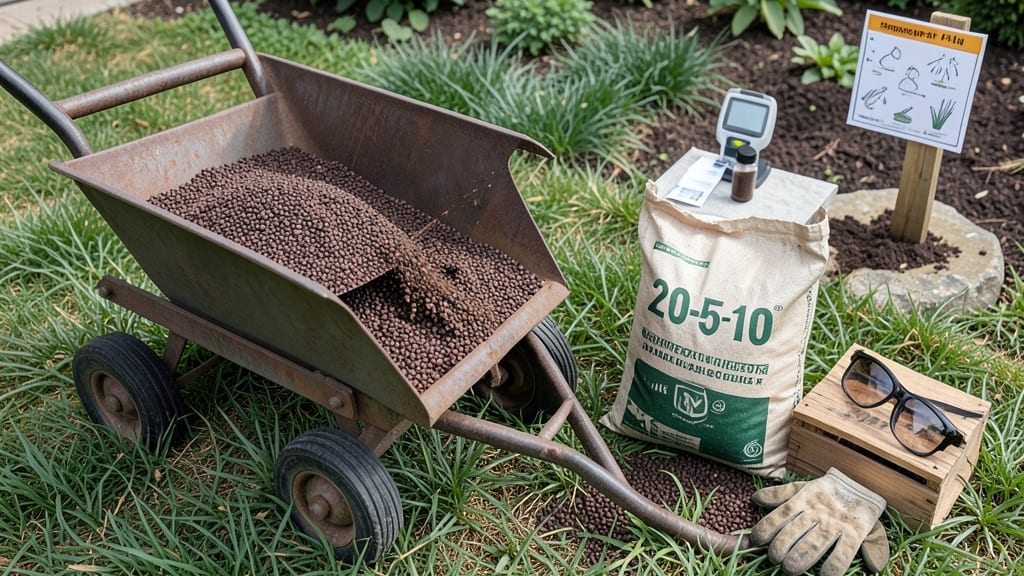
To fertilize your lawn at the right time means feeding it when it’s actively growing—not when it’s dormant or stressed.
A lush, green lawn doesn’t happen by accident—it takes precise timing and the right fertilizer at the right moment. But with seasonal changes and grass type variations, knowing when to fertilize can be confusing.
Cool-season grasses like fescue and ryegrass thrive with early spring and fall feedings, while warm-season types such as Bermuda and Zoysia need summer fertilization. Miss the window, and you risk weak roots, weed invasion, or even fertilizer burn.
Below, I break down the best times to fertilize based on your grass type, climate zone, and seasonal growth cycles—so you can skip the guesswork and keep your lawn looking its best year-round.

Optimal fertilization timing by season for all grass types
A lush lawn requires more than just regular mowing—it demands strategic fertilization timed to your grass type and climate. Cool-season grasses like Kentucky bluegrass and fescue thrive in spring and fall, while warm-season grasses such as Bermuda and Zoysia peak in late spring and summer.
Understanding these cycles ensures your lawn gets nutrients when it needs them most for root growth and drought resistance.
Fertilizing at the wrong time can stress your grass, leaving it vulnerable to weeds and pests. For example, applying nitrogen-heavy fertilizers in winter forces grass to grow when it should be dormant.
Instead, align your schedule with your grass's natural growth patterns and seasonal stress points. This approach maximizes nutrient absorption and minimizes waste.
The key to a vibrant lawn lies in seasonal synchronization. Spring kickstarts growth, summer maintains it, and fall prepares grass for winter.
Below, I’ve broken down the ideal fertilization timeline for both cool-season and warm-season grasses, including why each season matters and how to adjust for your specific grass type.
| Season | Cool-Season Grasses (e.g., Kentucky Bluegrass, Fescue, Ryegrass) | Warm-Season Grasses (e.g., Bermuda, Zoysia, St. Augustine) | Why It Matters |
|---|---|---|---|
| Spring (March-May) | Apply high-nitrogen fertilizer in early spring (March-April) to stimulate growth after winter dormancy. Follow with a pre-emergent herbicide in late spring to prevent weeds. | Light feeding in late spring (May) to support root establishment. Avoid heavy nitrogen in early spring to prevent fungal issues. | Encourages root development and weed suppression before weeds germinate. |
| Summer (June-August) | Skip heavy fertilization. Use light applications of slow-release fertilizer in early summer (June) if grass shows signs of stress (e.g., yellowing). | Apply balanced fertilizer (high nitrogen) in late spring/early summer (May-June) for peak growth. Repeat in July-August if grass is actively growing. | Supports drought resistance and heat tolerance without overloading grass. |
| Fall (September-November) | Apply slow-release fertilizer in early fall (September) to strengthen roots for winter. A second application in October promotes dense growth before dormancy. | Light feeding in early fall (September) to prepare for dormancy. Avoid fertilizing in late fall (October-November) to prevent winter damage. | Builds winter resilience and spring recovery by storing nutrients in roots. |
| Winter (December-February) | Avoid fertilizing. Grass is dormant and cannot absorb nutrients. | No fertilization needed. Grass is mostly dormant in cooler climates. | Prevents winter burn and nutrient runoff into waterways. |
Spring is critical for cool-season grasses because it’s when they emerge from dormancy and need a nutrient boost to outcompete weeds. I recommend applying a high-nitrogen fertilizer in early spring (March-April) to jumpstart growth, followed by a pre-emergent herbicide in late spring to prevent crabgrass and other weeds.
For warm-season grasses, late spring (May) is the sweet spot for their first feeding, as early applications can lead to fungal issues in humid climates.
Summer fertilization requires caution. Cool-season grasses go semi-dormant in heat, so I avoid heavy feeding and opt for light, slow-release fertilizers only if the lawn shows stress. Warm-season grasses, however, thrive in summer and benefit from balanced fertilizers applied in late spring and early summer.
Over-fertilizing in summer can burn grass and attract pests, so always water deeply after application to help nutrients penetrate the soil.
Fall is the most important time to fertilize cool-season grasses. Applying a slow-release fertilizer in September strengthens roots, while a second application in October promotes dense growth before winter.
Warm-season grasses also benefit from a light feeding in early fall, but avoid fertilizing too late—this can stimulate late-season growth that weakens before winter. Think of fall as your lawn’s preparation phase for the dormant season.
Winter is a no-fertilizer zone for all grass types. Cool-season grasses are dormant, and warm-season grasses are mostly inactive. Fertilizing during this time wastes money and can harm your lawn by encouraging growth when the grass can’t sustain it.
Instead, focus on light aeration and thatch removal to improve soil health for spring.
Pro tip: Always water your lawn deeply and thoroughly after fertilizing—this helps nutrients reach the roots and reduces runoff. Aim for 1 inch of water within 24-48 hours of application. For organic options, consider compost tea or fish emulsion in early spring and fall to improve soil health naturally.
By aligning your fertilization schedule with your grass type and seasonal growth cycles, you’ll achieve a thicker, greener lawn with fewer weeds and better drought resistance. Start with this seasonal guide, and adjust based on your local climate and grass health. Your lawn will thank you! 🌱
How to adjust fertilizer schedule for climate zones and grass health
Your lawn’s health depends on more than just fertilizer—it’s about syncing it with your climate zone, grass type, and seasonal rhythms.
In Northern climates, cool-season grasses like Kentucky Bluegrass thrive with early spring and fall feedings, while Southern climates favor warm-season grasses like Bermuda grass, which need summer fertilization. Adjusting your schedule isn’t just about timing; it’s about avoiding over-fertilization (yellow patches) or under-fertilization (thin, patchy growth).
Let’s break down how to tailor your fertilizer schedule for your region and grass type, plus how to align it with mowing, watering, and pest control for a lawn that looks like a pro’s work. The key? Pay attention to your grass’s signals and the local growing season.
- 1 Northern Climates (Zones 3-6): Fertilize in early spring (March-April) and fall (September-October) for cool-season grasses. Skip summer to avoid stress.
- 2 Southern Climates (Zones 7-10): Focus on late spring (May-June) and early fall (August-September) for warm-season grasses. Avoid winter fertilization.
- 3 Signs of Over-Fertilization: Yellow-brown patches, leaf burn, or excessive growth (grass grows too fast). Reduce application rate immediately.
- 4 Signs of Under-Fertilization: Thin, patchy growth, weeds taking over, or dull color. Increase nitrogen-rich fertilizer gradually.
- 5 Sync with Mowing: Fertilize 2-3 days before mowing to let nutrients absorb. Avoid mowing immediately after applying to prevent leaf burn.
- 6 Watering After Fertilizing: Apply ½ inch of water within 24 hours to activate nutrients. Deep watering 2-3 times weekly afterward keeps roots healthy.
- 7 Pest Control Timing: Apply grub control in late spring and fungicides in fall (after fertilizing). This prevents pests from stressing your lawn.
For Northern climates, I recommend a slow-release fertilizer in early spring to jumpstart growth after winter dormancy. In Southern climates, opt for a high-potassium fertilizer in late summer to strengthen roots before hot weather.
Always test your soil first—this tells you exactly what nutrients your grass is missing or overloaded with.
Pro tip: Use a lawn calendar to track fertilizing, mowing, and watering. For example, if you fertilize in April, schedule a light mowing 3 days later and water deeply the next day.
This keeps your lawn lush without overworking it. Adjust based on your grass’s response—if it’s growing too fast, you’re overdoing it.
Finally, don’t forget to aerate your lawn before fertilizing in spring or fall. This helps nutrients reach the roots where they’re needed most. A healthy lawn isn’t just about feeding it—it’s about giving it the right care at the right time.
With these adjustments, your grass will stay vibrant year-round, no matter where you live. 🌱